
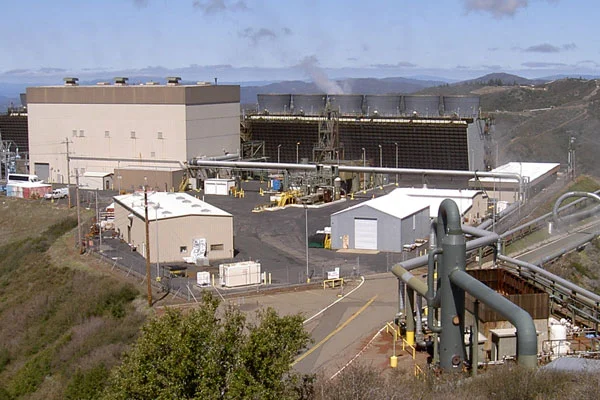
Introduction
In a groundbreaking achievement, a geosolar power plant has been constructed in Nevada, USA, marking a significant milestone in the pursuit of renewable energy. The Stillwater Solar and Geothermal Power Plant, powered by 89,000 solar panels and complemented by geothermal capabilities, is not only the largest geosolar power plant globally but also the first hybrid solar-geothermal facility.
This project has been recognized for its innovative approach to harnessing renewable energy, showcasing the potential for hybrid renewable energy sources to power our world. The Stillwater Solar and Geothermal Power Plant represents a significant step forward in our collective pursuit of a more sustainable energy future, paving the way for further innovations in renewable energy technologies.
Why Choose Hybrid Renewable Energy Sources?
Solar and geothermal energy are both clean sources of power, but they have distinct limitations. Solar energy’s intermittent nature requires a backup system to ensure continuous power generation when the sun is not shining. Geothermal energy, on the other hand, provides a reliable alternative, as it can operate 24/7, unaffected by weather conditions.
By combining these two technologies in one facility, we can create a robust and sustainable energy solution. This approach allows for the optimization of infrastructure development while minimizing environmental footprint. The Stillwater Solar and Geothermal Power Plant demonstrates that hybrid renewable energy sources can be harnessed to provide clean power for American families and businesses.
The Benefits of Hybrid Renewable Energy Sources
Hybrid renewable energy sources offer several benefits, including:
- Increased Reliability: By combining solar and geothermal technologies, we can ensure continuous power generation, even when the sun is not shining.
- Reduced Environmental Impact: The Stillwater Solar and Geothermal Power Plant minimizes environmental footprint by optimizing infrastructure development and leveraging existing infrastructure.
- Improved Energy Security: Hybrid renewable energy sources provide a reliable alternative to fossil fuels, reducing our dependence on non-renewable energy sources.
- Economic Benefits: This project demonstrates the economic viability of hybrid renewable energy sources, paving the way for further investments in this sector.
The Stillwater Solar and Geothermal Power Plant: A Case Study
This pioneering project, valued at $40 million, has been recognized for its innovative approach to harnessing renewable energy. The plant’s hybrid design allows it to capitalize on the strengths of both solar and geothermal power, providing a seamless transition between the two sources.
The Stillwater Solar and Geothermal Power Plant is not only the largest geosolar power plant globally but also the first hybrid solar-geothermal facility. This groundbreaking achievement marks a significant step forward in our collective pursuit of a more sustainable energy future.
DOE Investment in Geothermal Energy
The U.S. Department of Energy (DOE) has invested in this project as part of its efforts to accelerate geothermal energy development. According to Steven Chu, former DOE Secretary, “This project demonstrates our commitment to leveraging renewable energy sources to provide clean power for American families and businesses.”
Impact on the Environment
By generating 43 million kilowatt-hours (kWh) of clean energy annually, this facility will not only power approximately 16,000 homes but also prevent an estimated 30,000 tons of carbon dioxide emissions from entering the atmosphere each year.
The Stillwater Solar and Geothermal Power Plant represents a significant step forward in our collective pursuit of a more sustainable energy future. This project has demonstrated that hybrid renewable energy sources can be harnessed to provide clean power for American families and businesses.
Combined Energy Production with Zero Emissions
The integration of solar and geothermal technologies at Stillwater will result in the production of approximately 200 million kWh of energy per year, with a significant reduction in greenhouse gas emissions. Specifically, this facility will avoid emitting 140,000 tons of CO2 annually.
This achievement highlights the potential for hybrid renewable energy sources to power our world while minimizing environmental impact. The Stillwater Solar and Geothermal Power Plant is an exemplary model for sustainable energy development, showcasing the benefits of combining solar and geothermal technologies in one facility.
Infrastructure Development and Reduced Environmental Impact
By combining these two renewable energy sources within a single site, we can optimize infrastructure development while minimizing environmental footprint. This approach enables the efficient use of existing infrastructure, such as transmission lines, reducing further the project’s ecological impact.
The Stillwater Solar and Geothermal Power Plant demonstrates that hybrid renewable energy sources can be harnessed to provide clean power for American families and businesses. By optimizing infrastructure development and leveraging existing infrastructure, we can reduce environmental footprint while ensuring continuous power generation.
The New Frontier in Renewable Energy: A Look at the Numbers
With the Stillwater Solar and Geothermal Power Plant, the total installed capacity of renewable energy in North America has surpassed 1,000 megawatts (MW). This groundbreaking achievement marks a significant step forward in our collective pursuit of a more sustainable energy future.
The Stillwater Solar and Geothermal Power Plant represents a significant milestone in the pursuit of sustainable energy solutions. By combining solar and geothermal technologies within one facility, we can create a robust and sustainable energy solution that minimizes environmental impact while ensuring continuous power generation.
Frequently Asked Questions
Q: What is the capacity of the Stillwater Solar and Geothermal Power Plant?
A: The facility has a total capacity of 59 MW, with 89,000 solar panels generating 43 million kWh of clean energy annually.
Q: How does geothermal energy contribute to the overall power generation?
A: Geothermal energy provides a reliable backup system when the sun is not shining, ensuring continuous power supply.
Q: What environmental benefits can be expected from this project?
A: The facility will prevent approximately 30,000 tons of CO2 emissions annually and generate 200 million kWh of clean energy per year.
Q: How does the integration of solar and geothermal technologies impact infrastructure development?
A: By combining these two renewable energy sources within a single site, we can optimize infrastructure development while minimizing environmental footprint.
Q: What is the significance of this project in the context of renewable energy development?
A: The Stillwater Solar and Geothermal Power Plant marks a significant milestone in the pursuit of sustainable energy solutions, showcasing the potential for hybrid renewable energy sources to power our world.
Q: How does this project align with the U.S. Department of Energy’s goals?
A: This project demonstrates the DOE’s commitment to accelerating geothermal energy development and leveraging renewable energy sources to provide clean power for American families and businesses.
Q: What are the long-term implications of this technology on the environment?
A: The Stillwater Solar and Geothermal Power Plant represents a significant step forward in our collective pursuit of a more sustainable energy future, paving the way for further innovations in renewable energy technologies.


