
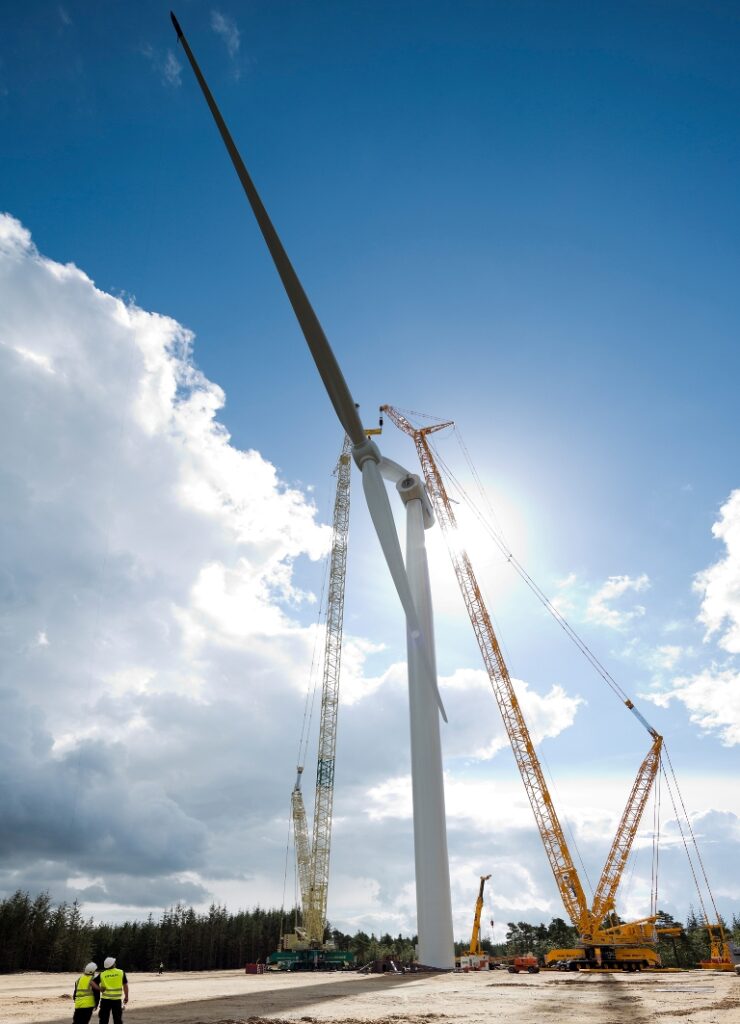
In a world where renewable energy is becoming increasingly important, innovations like the largest turbine ever built are taking center stage. Located in Denmark, this massive machine is not only a record-breaker but also a game-changer for offshore wind energy. In this article, we’ll delve into the details of this incredible feat and explore its potential impact on our future energy landscape.
Meet the Giant: SWT-6.0-154
The Siemens Energy company has unveiled the largest turbine in the world, measuring an impressive 154 meters tall! This behemoth is designed to power a 6 megawatt (MW) wind farm, which can cater to the electricity needs of over 6,000 homes. The turbine’s name is SWT-6.0-154, and it boasts blades that stretch an astonishing 75 meters in length.
A New Standard for Offshore Wind Energy
The SWT-6.0-154 is not just a record-breaker; it represents the new standard for offshore wind energy. According to Siemens, this turbine will revolutionize the industry by providing a more efficient and cost-effective solution for harnessing wind power. The company claims that these turbines will reduce costs and increase efficiency, making wind energy more viable for widespread adoption.
The Benefits of Large Turbines
So, what makes large turbines like the SWT-6.0-154 so attractive? For one, their size provides a significant advantage in terms of electricity generation. As we’ll explore later, the design of these turbines is also optimized to reduce costs and increase efficiency.
Efficiency and Cost Savings
One of the key benefits of large turbines is their ability to generate more electricity while producing less noise and visual impact. The SWT-6.0-154 features a 3-blade design, which allows for greater stability and reduced energy losses. Additionally, its advanced control systems enable it to operate at optimal efficiency levels.
Reduced Visual Impact
Despite their size, turbines like the SWT-6.0-154 are designed to minimize visual impact on nearby communities. The rotor hub of the turbine is optimized to be as tall as possible without obstructing visibility from inland areas. This ensures that residents and visitors can continue to enjoy unobstructed views of the surrounding landscape.
Noise Reduction
Turbines like the SWT-6.0-154 are designed with noise reduction in mind. The advanced sound-absorbing materials used in its blades help minimize noise levels, reducing the impact on local communities.
Carbon Footprint
Wind turbines have long been touted as a cleaner source of energy. With their ability to generate electricity from wind alone, they produce no emissions or pollutants, making them an attractive option for those seeking to reduce their carbon footprint.
The IntegralBlade Technology: A Breakthrough
At the heart of the SWT-6.0-154 lies the IntegralBlade technology, developed by Siemens. This innovative design allows for better performance at lower wind speeds, making it an ideal solution for offshore wind farms. By reducing energy losses and increasing efficiency, IntegralBlade technology is poised to transform the wind energy industry.
How It Works
The IntegralBlade technology uses a novel blade design that combines the benefits of traditional blades with advanced aerodynamic features. The results are increased efficiency and reduced energy losses, allowing for more electricity generation from each turbine.
A Decade of Development: The Birth of a Giant
The development of the SWT-6.0-154 has been a long and challenging journey, spanning over three decades. However, Siemens’ dedication to innovation has paid off, resulting in a turbine that will leave a lasting impact on the energy sector.
Partnership for Success
To meet the growing demand for offshore wind energy, Siemens has partnered with Danish energy company DONG Energy. Together, they’ve signed a contract to supply a large number of turbines, ensuring a steady flow of renewable energy into the grid.
Benefits of Partnership
The partnership between Siemens and DONG Energy highlights the benefits of collaboration in the development of sustainable technologies. By working together, companies can share resources, expertise, and risk, accelerating progress towards a more sustainable future.
Conclusion: A Brighter Future for Wind Energy
As we look to the future, innovations like the SWT-6.0-154 offer a glimpse of what’s possible. With its impressive size and cutting-edge technology, this turbine represents a major milestone in the development of offshore wind energy. As we continue to transition towards renewable energy sources, projects like this will play a vital role in shaping our future.
Frequently Asked Questions
- Q: What is the largest turbine in the world?
A: The SWT-6.0-154, developed by Siemens Energy, holds the record for the largest turbine ever built. - Q: How much electricity can it generate?
A: This turbine can power over 6,000 homes with its 6 megawatt capacity. - Q: What is IntegralBlade technology?
A: It’s a breakthrough design developed by Siemens that allows for better performance at lower wind speeds and reduces energy losses. - Q: How long did it take to develop this turbine?
A: The development of the SWT-6.0-154 spanned over three decades, with significant advancements made in recent years. - Q: Who is the main partner for this project?
A: Siemens Energy has partnered with DONG Energy for the supply and installation of these turbines. - Q: What does this mean for the future of offshore wind energy?
A: This turbine represents a major milestone in the development of offshore wind energy, offering a glimpse into what’s possible with innovative technology and partnerships.


