
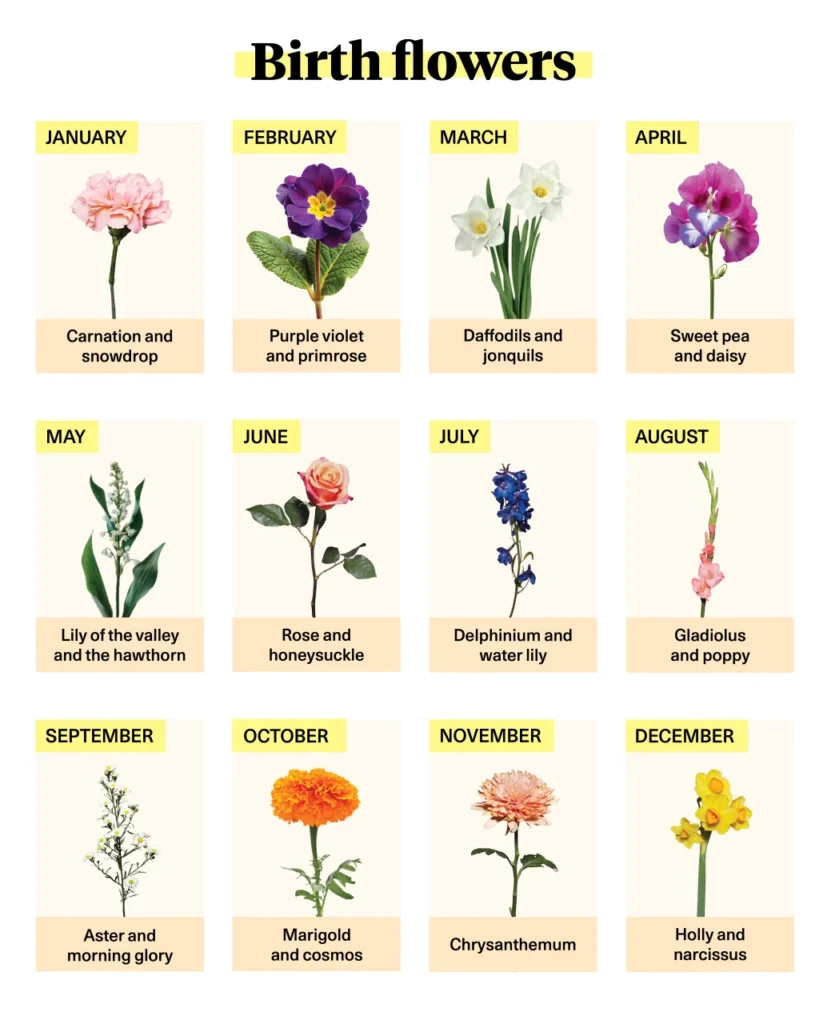
Flowers have long been used to convey messages and express emotions. In fact, the language of flowers is so well-known that it’s often referred to as a universal language. But did you know that each flower has its own unique meaning and significance? Let’s dive into the world of flowers and explore some of the most popular ones.
The Power of Flower Meanings
Every flower has a story to tell, and by understanding their meanings, we can unlock a new level of communication with nature. From the delicate petals of roses to the bold trumpet-shaped blooms of sunflowers, each flower carries its own symbolism. By using flowers as messengers, we can express emotions, thoughts, and feelings in a way that transcends words.
The History of Flower Meanings
The language of flowers has been around for centuries, with evidence suggesting that ancient civilizations used flowers to convey messages and tell stories. In ancient Greece and Rome, flowers were used in wreaths and garlands to represent different gods and goddesses. The tradition continued through the Middle Ages, where flowers were used in bouquets and arrangements to express emotions and intentions.
The Art of Flower Arranging
Flower arranging is an art form that requires skill, patience, and creativity. By selecting a variety of flowers with different meanings, you can create beautiful arrangements that convey complex messages and emotions. From the simplicity of a single rose to the complexity of a mixed bouquet, flower arranging is a powerful tool for self-expression and communication.
The Symbolism of Different Flowers
Each flower has its own unique meaning and significance, making it possible to communicate with others in a way that’s both personal and universal. Here are some examples:
- Roses: The rose is often associated with love, passion, and romance. Different colors of roses can convey different meanings, such as red for love and pink for appreciation.
- Tulips: Tulips are often seen as a symbol of love and passion. In the language of flowers, tulips represent perfect love and devotion.
- Daisies: Daisies are often associated with innocence, purity, and new beginnings. They’re also a popular choice for wedding bouquets and arrangements.
The Language of Flowers in Modern Times
While the language of flowers is still widely used today, it’s not always understood by everyone. In modern times, the meaning of different flowers can vary depending on cultural context and personal interpretation. However, with a little practice and patience, anyone can learn to communicate with nature using the language of flowers.
A Comprehensive Guide to Flower Meanings
If you’re interested in learning more about flower meanings, there are many resources available. From comprehensive dictionaries to online guides, we’ve got you covered. Our top pick for a must-have guide is “The Language of Flowers: A Dictionary of Names and Meanings” by the house of Giunti. This beautifully illustrated book includes over 300 flowers, each with its own unique meaning and significance.
Conclusion
In conclusion, the language of flowers is a powerful tool that allows us to communicate with nature and express our emotions in new and creative ways. Whether you’re looking for a gift or simply want to learn more about the symbolism behind different blooms, we hope this article has provided you with a deeper understanding of the world of flowers.
Frequently Asked Questions
Q: What is the language of flowers?
A: The language of flowers is a system of communication that uses flowers and plants to convey messages and express emotions.
Q: Can anyone learn the language of flowers?
A: Yes, anyone can learn the language of flowers with practice and patience. Start by learning the meanings behind different blooms and experimenting with your own flower arrangements.
Q: How do I choose the right flowers for a special occasion?
A: Consider the occasion, the recipient’s personality, and the desired message when choosing flowers. Remember to think outside the box and consider non-traditional blooms for a unique touch.
Q: Can I use flowers as a form of self-expression?
A: Absolutely! Flowers are a great way to express your emotions, thoughts, and feelings in a creative and meaningful way.
Q: Are there any rules or guidelines for using flowers in arrangements?
A: While there are no hard-and-fast rules, it’s generally recommended to balance bold blooms with smaller, more delicate flowers. Consider the color palette, texture, and fragrance when creating your arrangement.
Q: Can I use flowers as a form of therapy?
A: Yes, flowers have long been used as a form of therapy and stress relief. The act of caring for plants can be meditative and calming, making it an excellent way to unwind and relax.


