
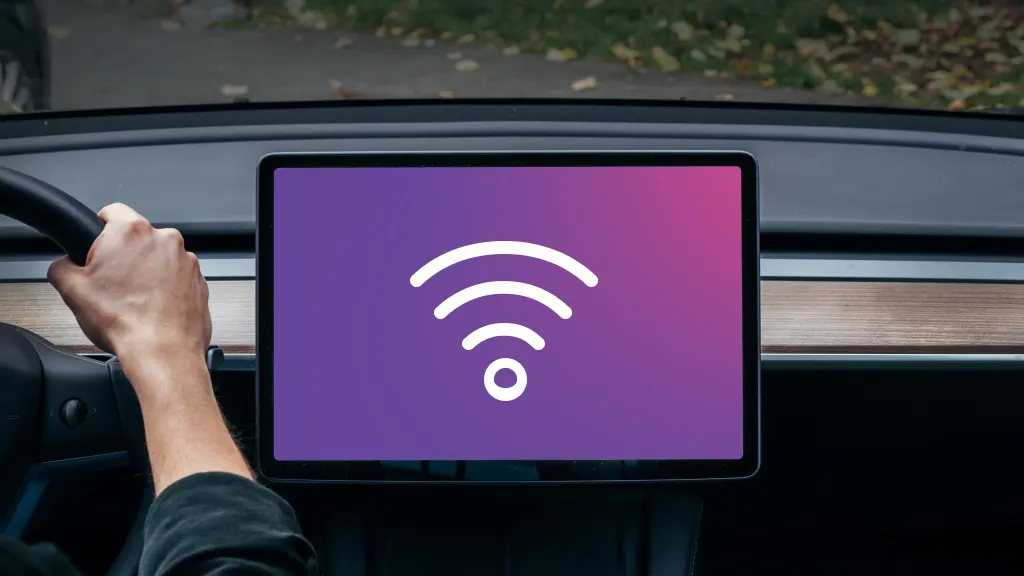
As we navigate the ever-evolving landscape of technology, it’s hard not to wonder what the future holds for our cars. With the rise of social media, one question arises: will Twitter and other social networks become an integral part of our vehicles? In this article, we’ll explore how these platforms are being integrated into cars, and what this means for drivers and manufacturers alike.
The Rise of Connected Cars
Connected cars have been a topic of discussion for years, but the integration of social media into vehicles is taking it to a whole new level. With the proliferation of smartphones and the Internet of Things (IoT), cars are becoming increasingly connected to the world around us. This means that Twitter, Facebook, and other social networks will soon be an integral part of our driving experiences.
The concept of connected cars has been gaining momentum in recent years, with manufacturers investing heavily in research and development to create vehicles that can communicate with other devices and systems seamlessly. The integration of social media into these vehicles is just the next step in this evolutionary process.
How Social Media Will Be Integrated into Cars
So, how exactly will Twitter and other social media platforms be integrated into our vehicles? The answer lies in display touchscreen systems, which will be installed in cars to allow users to navigate the web at any time. These systems are designed with safety in mind, featuring facilitated access methods such as voice commands or rapid-fire keystrokes on the steering wheel, just like traditional car audio controllers.
In addition to display screens, social media integration may also involve the use of smartphones and tablets connected to the vehicle via Bluetooth or Wi-Fi. This will allow drivers to stay connected to their social media networks while still maintaining control over the vehicle.
Manufacturers Are Investing Heavily
Several major automakers are working on projects that integrate social media into their vehicles. For example, Ford has developed a web navigation system called Sync, which allows drivers to use Twitter while driving, conduct Google searches, or listen to YouTube videos. Other manufacturers are also exploring similar solutions.
Ford’s Sync system is just one example of how social media integration can be integrated into cars. The company has also developed a feature called MyFord Touch, which includes a touchscreen interface and voice control capabilities. These features have been praised for their ease of use and convenience, making it easier for drivers to stay connected on the go.
The Benefits and Drawbacks
While the integration of social media into cars may seem like a straightforward idea, there are valid concerns about its impact on driving safety. Will drivers be too distracted by tweets and Facebook updates to stay focused on the road? Only time will tell. However, it’s worth noting that manufacturers are working to address these concerns through design and safety features.
For example, some cars may include features such as automatic shut-off or limiting of social media usage during certain times of the day. These features aim to minimize distractions and ensure that drivers stay focused on the road at all times.
The Future of Driving
As we hurtle towards a future where cars are increasingly connected to social media, one question remains: what does this mean for driving itself? Will our love affair with technology lead us down a path of distraction and complacency behind the wheel? Or will we find innovative solutions that strike the perfect balance between connectivity and safety?
The answer lies in finding the right balance between technological advancements and driver safety. As social media integration becomes more widespread, it’s essential to consider how this new technology will affect our driving habits.
The Rise of “Smart” Cars
As cars become more connected to social media, they’re also evolving into what can be called “smart” vehicles. These smart cars are equipped with advanced technology that allows drivers to interact with their vehicles in new ways. Think voice-controlled navigation systems, smartphone integration, and even social media-driven infotainment.
Smart cars are designed to make driving more enjoyable and convenient. They often come equipped with features such as navigation systems, Bluetooth connectivity, and rearview cameras. These features have become standard in many modern cars, making it easier for drivers to stay connected on the go.
The Impact on Drivers
So, how will this change impact drivers? For some, the idea of using Twitter or Facebook while driving may seem like a luxury or a novelty. But for others, it could be a game-changer – offering new ways to stay connected, entertained, and even productive on the road.
On one hand, social media integration can provide drivers with valuable information and updates during their daily commute. For example, they can use Twitter to check traffic updates, sports scores, or news headlines. On the other hand, there’s a risk that this new technology could lead to distraction and decreased productivity behind the wheel.
The Future of Social Media in Cars
As we look to the future, one thing is clear: social media will play an increasingly important role in our cars. Whether it’s through display touchscreen systems, voice-controlled navigation, or smartphone integration, the possibilities are endless. But what does this mean for drivers and manufacturers alike?
As social media continues to evolve, it’s essential to consider how this new technology will impact our driving habits. Will we find innovative solutions that strike the perfect balance between connectivity and safety? Only time will tell.
Key Players in Social Media Integration
Several key players are already working on integrating social media into cars. For example:
- Ford: Developing a web navigation system called Sync, which includes social media integration features.
- General Motors: Working on a platform that allows drivers to access social media platforms while driving.
- Toyota: Exploring the use of smartphone integration and display screens to enhance the driving experience.
These companies are just a few examples of how social media will shape the future of cars. As this technology continues to evolve, we can expect to see more innovative solutions that make driving safer and more enjoyable.
Conclusion
In conclusion, the integration of social media into cars represents a significant shift in how we interact with technology on the road. While concerns about safety and distraction are valid, it’s clear that manufacturers are working to address these issues through design and innovation.
As we look to the future, one thing is certain: social media will play an increasingly important role in our cars. Whether it’s through display touchscreen systems, voice-controlled navigation, or smartphone integration, the possibilities are endless. But what does this mean for drivers and manufacturers alike? Only time will tell.
FAQs
- Will driving while using social media be allowed?
Only time will tell. However, manufacturers are working to address concerns about driver distraction and complacency.
- How will social media integrate into cars?
Display touchscreen systems and voice-controlled navigation will be used to allow users to access social media platforms while on the road.
- Will drivers need to constantly check their phones?
Manufacturers are exploring ways to minimize distractions, such as rapid-fire keystrokes or voice commands.
- Can drivers use social media while driving?
It’s unclear at this point, but manufacturers are working to address concerns about driver distraction and complacency.
- How will social media affect car safety?
While concerns exist, manufacturers are working to design systems that prioritize driver safety.
- Will all cars be equipped with social media integration?
No, it’s unlikely that all cars will have social media integration at launch, but it’s a possibility for the future.
- Can drivers use other apps while driving?
It’s unclear which apps will be allowed and how they’ll interact with existing systems.
- Will social media make cars more entertaining or distracting?
The answer lies somewhere in between – it could offer new ways to stay connected, entertained, and productive on the road.
Social Media Integration: The Next Frontier
As we look to the future, one thing is clear: social media will play an increasingly important role in our cars. Whether it’s through display touchscreen systems, voice-controlled navigation, or smartphone integration, the possibilities are endless.
The key to success lies in finding the right balance between technological advancements and driver safety. As social media integration becomes more widespread, it’s essential to consider how this new technology will affect our driving habits.
In conclusion, the future of cars is looking brighter than ever, thanks to the power of social media. Whether you’re a tech-savvy driver or just looking for ways to stay entertained on the road, there’s no denying that social media integration is going to be a game-changer.


