
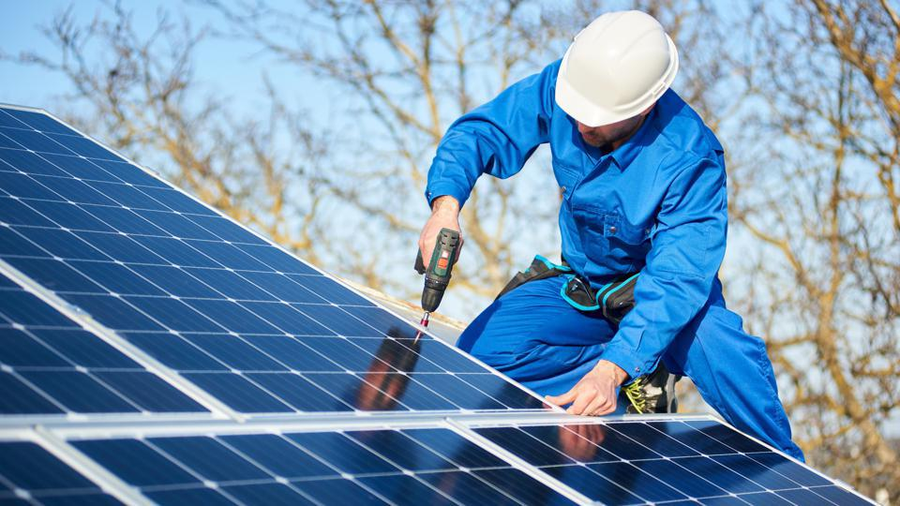
As the world shifts towards renewable energy sources, solar panels have become an increasingly popular choice for homeowners and businesses alike. However, installing these panels can be a complex process that requires careful planning and expertise. In this article, we’ll delve into the world of solar panel installation and explore what’s involved in setting up a successful system.
Why Choose Solar Panels?
Before we dive into the nitty-gritty of installation, let’s talk about why solar panels are worth considering. Not only do they produce clean energy, but they can also significantly reduce your electricity bills and increase the value of your property. Plus, as technology improves, the cost of solar panels is decreasing, making them more accessible to everyone.
Benefits of Solar Panels
There are numerous benefits to installing solar panels:
- Renewable Energy: Solar panels use sunlight as a renewable energy source, reducing your reliance on fossil fuels and lowering your carbon footprint.
- Energy Savings: By generating your own electricity, you can significantly reduce your electricity bills and save money on your energy costs.
- Increased Property Value: Installing solar panels can increase the value of your property, making it more attractive to potential buyers if you decide to sell in the future.
- Low Maintenance: Solar panels require minimal maintenance, as they are designed to last up to 30 years or more with proper care.
The Installation Process
So, what’s involved in installing solar panels? Here’s a step-by-step guide:
Step 1: Preparation
Before you start mounting the panels, you’ll need to prepare the roof. This involves removing some roofing materials and checking the structural integrity of the roof to ensure it can support the weight of the panels.
Step 2: Assessing Roof Conditions**
Your installer will assess your roof’s condition to determine if it can support the weight of solar panels:
- Roof Type: Different types of roofs have different capacities for supporting solar panels. For example, metal roofs are more suitable than asphalt shingle roofs.
- Age and Condition: The age and condition of your roof will also impact its ability to support solar panels.
Step 3: Installing Mounting Systems**
The next step is to install the mounting system:
- Racking Systems: Solar panel racking systems are designed to hold the weight of solar panels on a flat or pitched roof.
- Structural Support: Your installer will ensure that your roof structure can support the weight of the solar panels.
Step 4: Installing Solar Panels**
With the mounting system in place, it’s time to install the solar panels:
- Panning and Alignment: The panels are carefully positioned on the rack to ensure maximum efficiency.
- Cables and Connectors: Cables and connectors connect the solar panels to a central junction box.
Step 5: Electrical Connection**
To complete the installation, your installer will connect the solar panel system to your electrical system:
- Inverter Installation: An inverter converts DC power from the solar panels into AC power that your home can use.
- Grid Connection: Your installer will ensure that your solar panel system is safely connected to the grid.
The Anatomy of a Solar Panel System
So, what’s inside a typical solar panel system? Here’s a breakdown:
- Pannelli solari: The actual solar panels that convert sunlight into electricity.
- Supporti e staffe: The structures that hold up the panels and support their weight.
- Cavi e spinotti: The cables and connectors that transmit power from the panels to your electrical system.
The Science Behind Solar Panels
But how do solar panels actually work? It’s quite simple:
- Photovoltaic cells: These tiny cells convert sunlight into electricity using semiconductors like silicon.
- DC Power: The energy generated by the solar panels is in the form of direct current (DC) power.
- Inverter: An inverter converts DC power to alternating current (AC) power, which is what your home uses.
Frequently Asked Questions
We’ve got answers to some of the most common questions about solar panel installation:
- Q: How long does it take to install a solar panel system?
A: The installation time depends on the size and complexity of the system. - Q: Do I need to have a professional install my solar panels?
A: Yes, we highly recommend hiring a team of experienced professionals for this job. - Q: Can I install solar panels on my own?
A: While it’s possible, we strongly advise against it due to the potential risks and complications.
Conclusion
Installing solar panels can seem daunting, but with the right guidance, you can set up a successful system that benefits your wallet and the environment. By understanding the process, choosing the right equipment, and hiring a professional team, you’ll be on your way to harnessing the power of the sun in no time.
Here are some additional questions and answers:
- Q: Can I install solar panels on my roof?
A: Yes, but make sure it’s structurally sound and can support the weight of the panels. - Q: What kind of maintenance is required for solar panels?
A: Minimal, as solar panels are designed to last up to 30 years or more with minimal upkeep. - Q: Can I sell excess energy back to the grid?
A: Yes, many utility companies offer programs that allow you to sell back any excess energy generated by your solar panel system.
Stay curious and keep shining!
Additional Resources
- Solar Panel Installation Costs: The cost of installing a solar panel system can vary depending on factors like roof size, panel quality, and installation complexity.
- Solar Panel System Durability: Solar panels are designed to last up to 30 years or more with proper care and maintenance.
- Grid Connection Options: There are several grid connection options available, including net metering, utility-owned systems, and community solar programs.
By understanding the benefits of solar panels, the installation process, and the science behind them, you’ll be well-equipped to make an informed decision about whether a solar panel system is right for your home or business.


