
As the seasons change, many drivers find themselves with a crucial appointment to keep: changing tires. Whether it’s when temperatures start rising in spring or dropping drastically in autumn, and not forgetting about the infamous “change of season” change, one must also consider replacing last year’s tires with those better suited to the upcoming climate.
Of course, there are specific rules governing tire changes, dictated by law. Let’s take a look at these regulations.
What Does the Law Say About Tire Changes
In Italy, the road traffic code has detailed and specific regulations regarding the use of winter and summer tires. Article 6 of the Road Traffic Code (Law No. 120, dated July 29, 2010) requires vehicles to be equipped with suitable winter or summer tires during the relevant periods. Alternatively, drivers can keep onboard devices such as anti-slip chains.
This obligation generally comes into effect on November 15th and ends on April 15th of the following year. Additionally, specific road stretches and highways are marked with signs featuring a wheel with chains, requiring the use of winter tires or the possession of anti-slip chains.
On the other hand, from April 15th onwards, drivers must equip their vehicles with summer tires, which must remain on the vehicle until October 15th.
Failure to comply with these regulations can result in substantial fines. However, there are exemptions for those who use four-season tires.
Changing Tires: DIY or Professional?
Changing tires can be done yourself, but it’s essential to consider several factors before deciding between a DIY job and hiring a professional.
DIY Tire Changing: Equipment Needed
To change your own tires, you’ll need the necessary tools, including a wrench, a socket set, and a tire pressure gauge.
Knowledge: You must understand the correct procedure for lifting the vehicle, removing the old tires, installing new ones, and ensuring they are properly secured.
Safety: It’s crucial to follow all safety measures, including using suitable supporting devices to hold the vehicle during the change process.
Hiring a Professional
Experience and Equipment: Professionals have access to more advanced tools, such as balancers, and possess the necessary experience to perform tire changes safely and efficiently.
Guarantee of Quality: By hiring a professional, you can ensure that your tires are properly mounted and balanced, reducing the risk of future issues.
Another factor driving many drivers to hire a mechanic is the storage of unused tires for each season. Not all have space to store set aside tires for next season.
Four-Season Tires
Four-season tires (all-season) offer a practical solution for those required to change their tires, as they are designed to provide adequate performance in various weather conditions, both winter and summer. However, despite their versatility, they present some limitations. Generally, four-season tires perform poorly in extreme conditions: they are not optimal like dedicated summer or winter tires in extremely high temperatures or on snowy and icy roads. They also tend to wear out faster than seasonal tires.
Therefore, while all-season tires can be a convenient solution for those living in areas with moderate climates, they might not be the best option for those residing in regions with particularly harsh winters or very hot summers.
Determining Your Tire Type
Less experienced drivers may find themselves unsure of what type of tire their vehicle is equipped with. To determine this, there are several key features to look out for:
-
The first and most critical feature is the marking on the side of each tire.
- Winter tires typically have a snowflake or “M+S” (mud + snow) marking.
- All-season tires may also display an “M+S” marking, often accompanied by a symbol representing all four seasons, such as a combination of sun and snowflakes.
- Summer tires usually lack these specific markings.
-
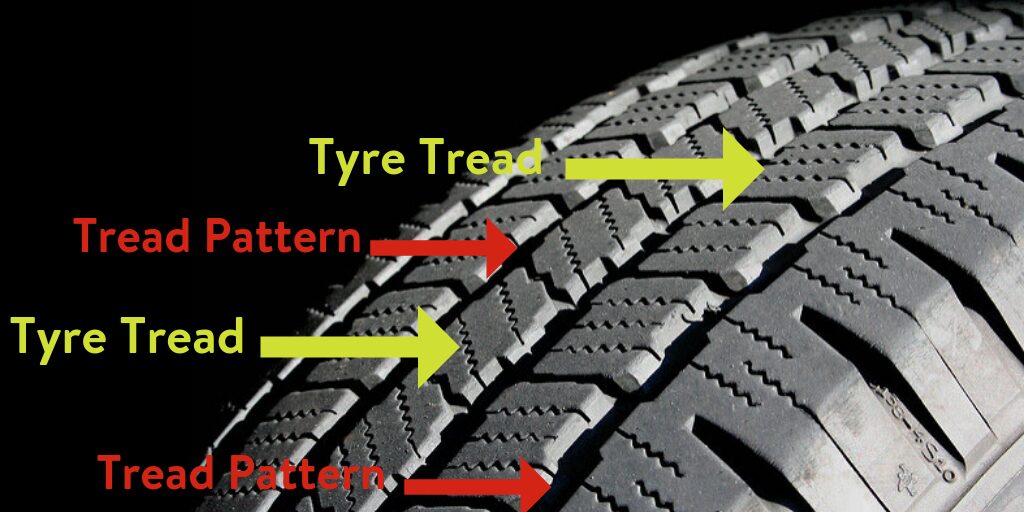
Another distinctive feature is the tread pattern, known as Battistrada. Winter tires typically have a deeper Battistrada with more pronounced grooves for improved traction on snowy and icy roads. Summer tires have a simpler design optimized for dry and wet road conditions. All-season tires fall somewhere in between, but without specializing in either winter or summer conditions.
By understanding these key differences, drivers can make an informed decision about their tire type and ensure they are equipped with the right tires for the upcoming season.
Additional Benefits of Seasonal Tire Changes
In addition to ensuring safety on the road, seasonal tire changes can have numerous benefits. For example:
- Improved fuel efficiency: Winter tires can significantly improve a vehicle’s traction in snowy conditions, reducing the risk of skidding and improving overall fuel efficiency.
- Enhanced performance: Four-season tires offer better handling and braking capabilities than dedicated summer or winter tires, making them an excellent choice for drivers who want to optimize their vehicle’s performance in various weather conditions.
- Increased safety: Seasonal tire changes can reduce the risk of accidents by providing drivers with the right tires for the current weather conditions. This is especially important during periods of heavy snowfall or freezing temperatures.
By taking the time to understand the importance of seasonal tire changes and the benefits they provide, drivers can improve their overall driving experience and stay safe on the road.
Conclusion
In conclusion, seasonal tire changes are an essential part of maintaining a vehicle’s safety and performance. By understanding the laws governing tire changes, considering the pros and cons of DIY versus professional tire changing, and knowing how to determine your tire type, drivers can ensure they are equipped with the right tires for the upcoming season.
Additionally, seasonal tire changes offer numerous benefits, including improved fuel efficiency, enhanced performance, and increased safety. By taking the time to understand these key points, drivers can improve their overall driving experience and stay safe on the road.
Ultimately, the importance of remembering to change tires should not be overlooked. It’s a simple yet crucial step that can have a significant impact on one’s driving experience and overall safety.


