
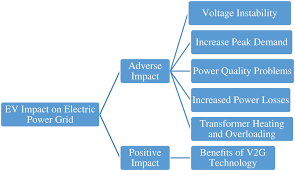
As electric vehicles (EVs) become increasingly popular, one major challenge will emerge: how to balance their energy needs with our existing electrical grid. If Italy can establish the necessary infrastructure to support these vehicles, it may then be able to maintain a stable urban electricity network.
Understanding the Challenges
The main issue is that EVs require a significant amount of energy to operate, which could put pressure on our existing electrical grid if not managed properly. With the rise of renewables, the authorities have revised energy tariffs for electricity, and in 2013 we’ll see a trioraria or bioraria tariff with changed hours. How will this affect our electrical grid?
For instance, let’s consider how changes in energy tariffs might impact EV owners. If we switch to a new tariff structure that rewards renewable energy usage during off-peak hours, it may incentivize consumers to charge their EVs during these times, reducing strain on the grid.
However, this approach also raises questions about energy storage and management. What happens when there is an excess of renewable energy generated by solar panels or wind turbines? How can we balance this excess with the demand for electricity from EVs?
Researching the Solution
To better understand the issue, researchers at the University of Notre Dame are working on developing mathematical algorithms to ensure the integration of plug-in vehicles and electric cars into the grid. These algorithms can help optimize energy management and reduce strain on the grid.
One key aspect of this research is understanding how EVs interact with other devices on the grid, such as homes and businesses. For example, if a commercial building has multiple EV charging stations, it may require more energy than a residential building with fewer charging stations.
The researchers are using advanced modeling techniques to simulate these interactions and identify potential bottlenecks in the grid. This information will help them develop strategies for managing energy usage and ensuring that the grid can handle the increased demand from all the EVs on the road at the same time.
The Challenges Ahead
There are several challenges that need to be addressed with the growing number of EVs. The research team hopes to anticipate and solve these problems with a solution that will protect both EV owners and society as a whole, including electricity distribution companies and organizations providing electricity.
One initial issue is ensuring that the grid can handle the increased demand for electricity from all the EVs on the road at the same time. This requires careful planning and management of energy usage to prevent strain on the grid.
Another challenge is managing energy storage and distribution. As more and more EVs are added to the grid, there will be a greater need for energy storage systems that can store excess energy generated by renewables during off-peak hours.
Example: Energy Management
Let’s consider an example of how energy management could be affected by the type of charging station. For instance, if we have a commercial charging station that provides power to multiple EVs simultaneously, it may require more energy than a residential charging station.
The researchers are working on developing algorithms that can optimize energy usage based on the type of charging station and the number of EVs connected. This approach could help reduce strain on the grid by ensuring that energy is used efficiently and effectively.
The Benefits of Electric Vehicles
Electric vehicles offer several benefits, including reduced “fuel” costs for consumers, lower greenhouse gas emissions, and improved air quality. By reducing our reliance on fossil fuels, we can also improve energy security and reduce the impact of price volatility in the energy market.
However, before we can tap into these benefits, we need to ensure that our electrical grid is capable of handling the increased demand from all the EVs on the road at the same time.
A Possible Solution: On-Site Charging
One possible approach to managing energy usage is through the installation of charging columns that draw power from an electric storage device rather than directly from the grid. This would allow the electrical grid to maintain stability and avoid significant fluctuations in electricity demand.
On-site charging also offers other benefits, such as improved safety and reduced line losses. By storing excess energy generated by renewable sources during off-peak hours, we can reduce our reliance on non-renewable energy sources and improve overall energy efficiency.
The Road Ahead
There’s still much work to be done before we can fully harness the potential of EVs. Before we can drive our EVs, we need to establish the necessary infrastructure, including charging stations, power grids, and energy storage systems. Governments must take action to support this transition by providing incentives for businesses and individuals to invest in EV-friendly technologies.
As consumers are ready for change, it’s essential that governments provide leadership and support for this critical transition. By working together, we can create a sustainable transportation system that reduces greenhouse gas emissions, improves air quality, and promotes economic growth.
Conclusion
The impact of electric vehicles on the grid is a complex challenge that requires careful planning and management. However, with the right strategies in place, we can ensure a stable and efficient energy supply for all EV owners while reducing our reliance on fossil fuels and improving overall energy efficiency.
Ultimately, the key to success lies in developing a coordinated approach to managing energy usage and ensuring that our electrical grid is capable of handling the increased demand from all the EVs on the road at the same time. By working together, we can create a cleaner, more efficient, and more sustainable transportation system for the future.


