
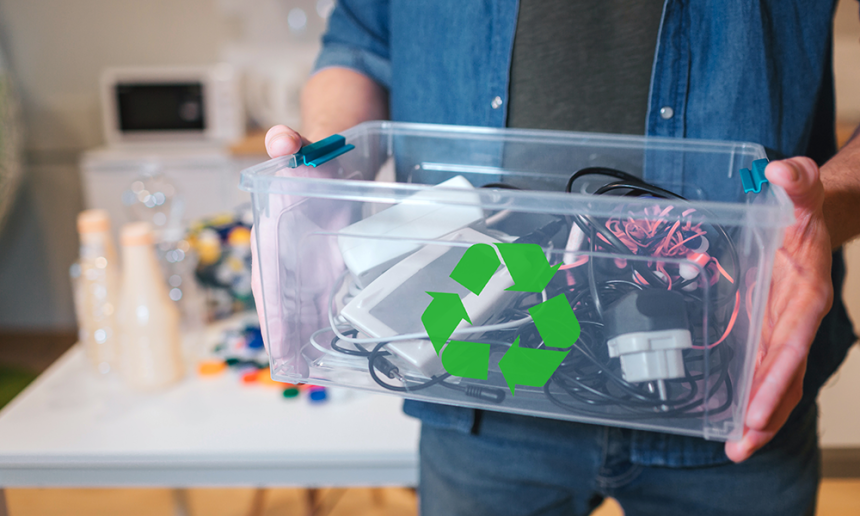
As we navigate the complexities of modern technology, it’s easy to overlook the environmental impact of our throwaway society. But beneath the surface of our daily lives lies a treasure trove of valuable materials waiting to be extracted and recycled. In this article, we’ll delve into the world of e-waste recycling, exploring its significance, the challenges it poses, and the innovative solutions being developed to mitigate these issues.
The Rise of E-Waste
In 2012, the Italian Consortium ReMedia launched the E-Waste Lab project, aiming to maximize the value of recycled electronic waste (e-waste) and increase the production of rare earth metals (REMs) and precious metals. This initiative brought together key players in the industry, including Politecnico di Milano, Regione Lombardia, Amsa, Stena S.p.A., and Assolombarda.
The project was a groundbreaking effort to explore the possibilities of e-waste recycling, with the goal of creating a sustainable business model. By examining the composition of discarded electronics, researchers aimed to identify new markets for recyclable materials, thereby reducing waste and conserving natural resources.
The Value of Rare Earth Metals
Rare earth metals are essential components in various devices, from smartphones to televisions, laptops to solar panels. The availability of these materials has become a pressing concern for Europe and Italy, as they struggle to secure a steady supply. The current global production is dominated by China, which controls 97% of the market.
The scarcity of rare earth metals has significant implications for device manufacturers, who rely on these materials to produce high-performance electronics. As demand continues to grow, so too does the pressure on existing supplies. This situation highlights the need for alternative sources and recycling methods to ensure a sustainable supply chain.
Content Analysis: A Look at Some E-Waste Components
To better understand the importance of e-waste recycling, let’s examine some of its components:
- Cell Phones, PCs, Servers, Decoders, and Cameras: Praseodimium, Neodymium, Cerium, Lanthanum, Samarium, Terbium, Dysprosium (rare earth metals); Silver, Gold, Copper, Palladium, Cadmium, Cobalt, Ruthenium (precious metals)
- LCD Screens: Rhenium, Cerium, Lanthanum, Neodymium, Europium, Terbium, Itrium, Gadolinium (rare earth metals)
- Solar Panels: Dysprosium, Neodymium (rare earth metals); Selenium, Tellurium, Indium (precious metals)
Each of these components offers valuable resources waiting to be extracted and reused. By understanding the composition of e-waste, we can identify opportunities for recycling and create new markets for recyclable materials.
The Crisis Unfolds
Imagine a scenario where China decides to cut off the supply of rare earth metals, potentially crippling our ability to produce essential devices. This hypothetical situation highlights the gravity of the issue and the need for proactive solutions.
In reality, countries like Japan, South Africa, and Russia already dominate the production of precious metals, posing a significant risk to global supply chains. The lack of diversity in raw material sources makes us vulnerable to disruptions in the market.
Breaking Down Barriers: E-Waste Recycling Strategies
To address this crisis, experts gathered at Politecnico di Milano’s annual ReMedia conference, Hi Tech e Ambiente, to discuss innovative e-waste recycling strategies. The first results of the E-Waste Lab project were unveiled, showcasing promising solutions for recycling.
Some of the key findings from the project include:
- Improved sorting technologies: Enhanced sorting methods can help identify valuable materials within mixed e-waste streams.
- Customized recycling processes: Tailored recycling procedures can optimize material recovery and increase yields.
- Closed-loop production systems: Implementing closed-loop production methods can reduce waste, conserve resources, and promote sustainability.
The Economic Benefits: Why Recycling Matters
Take a closer look at a single cell phone:
- 250 mg of silver
- 24 mg of gold
- 9 mg of palladium
- 9 g of copper
- 3.5 g of cobalt
- 1 g of rare earth metals (Nd, Eu, Ce, Tb)
While these materials are challenging to recover, improving recycling technologies could help Italy and Europe overcome the shortage of critical raw materials.
The economic benefits of e-waste recycling extend beyond the recovery of valuable materials. By implementing sustainable practices, companies can reduce costs associated with waste management, conserve resources, and enhance their brand reputation.
The Rise of Specialized Recycling Services
A growing number of companies offer specialized e-waste recycling services, willing to pay for the discarded technology. One such example is Remedia TSR, a subsidiary of the ReMedia Group, responsible for managing all aspects of environmentally compatible disposal.
Specialized recycling services play a crucial role in promoting sustainable practices and ensuring that valuable materials are recovered from waste streams. By partnering with these companies, manufacturers can reduce their environmental footprint and contribute to a more circular economy.
Conclusion
As we navigate the complexities of modern e-waste management, it’s essential to recognize its value and significance. By exploring innovative recycling strategies and embracing technological advancements, we can mitigate the risks associated with this growing concern. The fate of our global supply chains hangs in the balance; let us work together to unlock the hidden treasure within e-waste.
FAQs
- What is E-Waste, and why is it significant?
- How do rare earth metals contribute to device production?
- What are some of the materials found in e-waste components?
- Can countries like China control global supply chains?
- What solutions can be employed to address e-waste recycling challenges?
- How does specialized recycling service Remedia TSR work?
- What impact can improved recycling technologies have on critical raw material shortages?
- Why is it essential for companies to adopt environmentally compatible disposal methods?


