
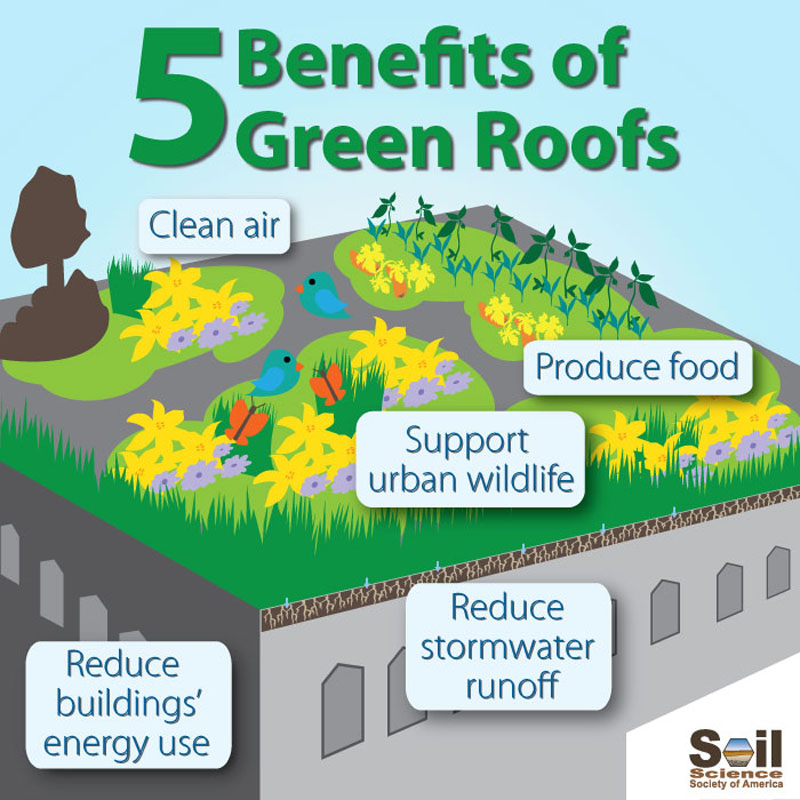
In Italy, we call it the “Tetto Verde,” green roof or green top. It’s a type of insulation in full vegetation that can be extensive or intensive, depending on the size of the roof. In this article, we’ll delve into everything you need to know about the so-called “green roof.”
What is a Green Roof?
A green roof is an ideal solution for reducing air pollutants around homes, managing rainwater, and insulating buildings thermally. An intensive green roof can even be designed with an in-house garden where fruits and vegetables are produced.
Green roofs also enable the design and construction of buildings in sensitive natural environments, where preservation is of utmost importance.
Types of Green Roofs
There are several types of green roofs, including:
- Extensive Green Roof: A low-maintenance option that uses limited vegetation to provide insulation.
- Intensive Green Roof: A more extensive use of vegetation and can be used for gardening or growing plants.
- Semi-Intensive Green Roof: A combination of the two, with a mix of vegetation and other materials.
Green Roofs vs. Traditional Insulation
While traditional insulation methods focus on keeping warm air in and cold air out, green roofs work by using natural ventilation to regulate temperature fluctuations.
Benefits of Green Roofs
- Reduce air pollutants around homes
- Manage rainwater runoff
- Provide insulation against extreme temperatures
- Increase property values
- Create habitats for wildlife
Designing a Green Roof
Before starting your green roof project, consult with a professional to assess the structural integrity of your roof.
The capacity of your roof’s load-bearing surface is just the starting point. Consider increasing it by adding supports made from wood.
For an intensive green roof, like a traditional lawn, consider using raised beds or specialized soil mixes.
Types of Vegetation for Green Roofs
- Native plants: Choose plants native to your region for low maintenance and resilience.
- Edible crops: Use vegetables or fruits that are suitable for urban agriculture.
- Wildlife-friendly species: Select plants that attract beneficial insects and pollinators.
Benefits of Using Native Plants on Green Roofs
- Lower water requirements
- Improved soil health
- Enhanced biodiversity
Maintenance Tips
- Regularly inspect and maintain vegetation to ensure optimal performance
- Monitor temperature fluctuations and adjust insulation as needed
- Prevent pests and diseases by implementing integrated pest management strategies
Integrating Green Roofs into Building Design
- Roof integration: Use the green roof as an integral part of building design, incorporating it into the overall aesthetic.
- Building form: Consider using curved or angular shapes to create unique spaces for plants and humans.
- Materials: Choose materials that complement the natural look and feel of the green roof.
Green Roof Systems
- Plants and soil mix: Select the right combination for your specific climate and vegetation needs.
- Drainage systems: Ensure proper water flow and prevent erosion or flooding.
- Irrigation: Implement an efficient irrigation system to conserve water.
Green Roofs in Urban Environments
- Noise pollution: Use plants with noise-reducing properties, such as grasses or sedums.
- Heat island effect: Incorporate materials that reflect solar radiation and insulate buildings thermally.
- Urban wildlife: Design green roofs to provide habitats for local bird species.
Challenges of Green Roofs
- High upfront costs
- Limited accessibility in areas with extreme weather conditions
- Potential for erosion or flooding
Conclusion
Green roofs offer numerous benefits for both the environment and property owners. By understanding the different types of green roofs, their benefits, and design considerations, you can make an informed decision about incorporating this innovative technology into your home or building.
FAQs
- What is the best type of vegetation for a green roof?
- The choice of vegetation depends on climate, soil quality, and intended use.
- How often should I maintain my green roof?
- Regular inspections and maintenance are necessary to ensure optimal performance.
- Can I grow fruit trees on a green roof?
- It’s possible, but consider factors such as tree size, root system, and space requirements.
-
How do I choose the right soil mix for my green roof?
- Select a mix that suits your climate and vegetation type.
-
Can I have pets on a green roof?
- Yes, but take precautions to prevent damage to plants and structure.
-
Are there any regulations or restrictions for building green roofs?
- Check local building codes and regulations before starting your project.
-
How long does it take to install a green roof?
- Installation time varies depending on the complexity of the design and size of the roof.
- What are some common mistakes to avoid when designing a green roof?
- Avoid underestimating structural loads, over-designing vegetation systems, or neglecting maintenance needs.
By addressing these questions and understanding the benefits of green roofs, you can make an informed decision about incorporating this innovative technology into your home or building.


