
What is bio-based construction and on what principles does it operate?
We could go into great detail about how bio-based construction evolved, but let’s keep things concise. Bio-based construction is built on principles that significantly reduce (or eliminate) the environmental impact of buildings.
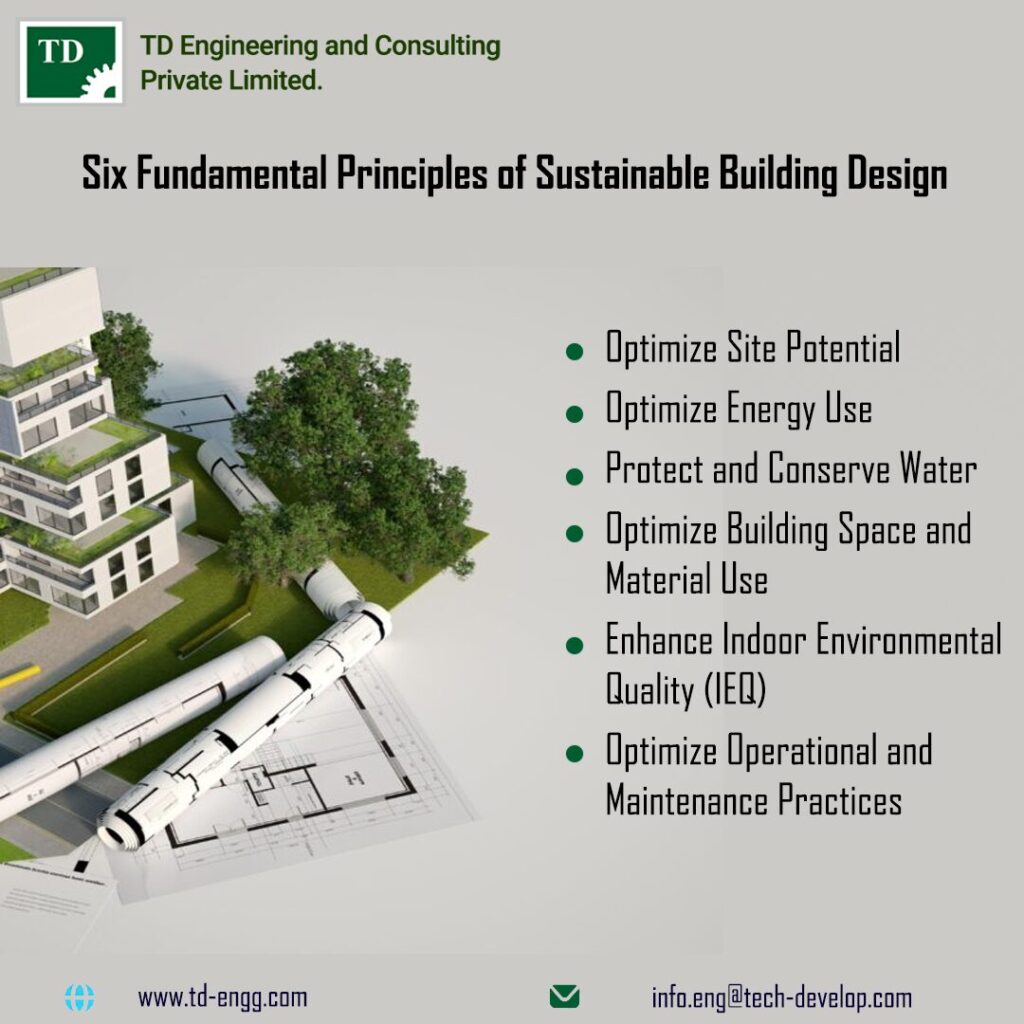
Bio-based construction is centered around five fundamental principles:
1. Sustainable Project Planning
The journey begins with sustainable project planning from site selection to choosing materials that not only minimize environmental harm but also consider the well-being of local inhabitants.
When it comes to selecting a building site, every aspect matters – from aesthetics to material choices. Bio-based construction ensures that the structure seamlessly integrates into its surroundings without harming them. This involves conducting thorough environmental assessments and identifying opportunities for sustainable design and materials selection.
Some key aspects of sustainable project planning include:
- Conducting feasibility studies to assess the site’s potential for renewable energy production
- Collaborating with local stakeholders to understand their needs and preferences
- Implementing waste management strategies to minimize construction waste
- Developing a comprehensive plan for energy efficiency and sustainability
2. Water Conservation and Efficient Use
The efficient use of water resources is another critical aspect of bio-based construction. This includes using systems for water recycling and minimizing waste.
By adopting sustainable practices, builders can minimize their environmental footprint while ensuring a reliable supply of clean water for occupants. Some strategies include:
- Implementing rainwater harvesting systems to reduce stormwater runoff
- Installing low-flow fixtures to minimize potable water usage
- Incorporating greywater reuse systems to treat and reuse wastewater
- Using drought-tolerant landscaping to reduce water consumption
3. Energy Efficiency
Energy efficiency is also crucial in bio-based construction. This encompasses not only smart management of electricity usage but also the production of renewable energy through on-site generation methods like solar power and geothermal heating.
To put this into practice, buildings are equipped with features such as:
- Insulated walls (thermal insulation) to reduce heat transfer
- Large windows for natural light to minimize artificial lighting needs
- Skylights to reduce artificial lighting needs
- LED lighting to optimize energy consumption
4. Rational Resource Use
Bio-based construction emphasizes rational resource use, including the conservation of materials and their reuse when possible. This approach minimizes waste and reduces environmental impact.
For example, thermal insulation can help reduce heating and cooling costs, while also reducing the need for mechanical systems like HVAC (heating, ventilation, and air conditioning).
Some strategies for rational resource use include:
- Reusing materials from deconstruction or demolition sites
- Sourcing materials locally to reduce transportation emissions
- Implementing recycling programs for construction waste
- Using recycled content in building materials
5. High-Quality Indoor Environments
Lastly, bio-based construction places a strong emphasis on creating high-quality indoor environments that promote occupant health and well-being.
This is achieved through careful material selection, design considerations, and attention to detail in the building’s layout and finishes.
To illustrate this concept, let’s look at an example: the “net-zero energy” home. This type of dwelling produces as much energy as it consumes from the grid, thanks to advanced technologies like solar panels, LED lighting, thermal insulation, geothermal heating systems, ventilation that recycles indoor air, and smart design principles.
An excellent case study is the Equinox Passive House. By following these five fundamental principles, builders can create structures that not only minimize environmental impact but also provide healthy living spaces for their occupants.
Frequently Asked Questions (FAQs)
- What are the key benefits of bio-based construction?
Bio-based construction offers numerous benefits, including reduced environmental impact, improved indoor air quality, and lower energy costs. - How does bio-based construction promote sustainable resource use?
By emphasizing material conservation, reuse, and recycling, bio-based construction helps reduce waste and minimize its ecological footprint. - What role does renewable energy play in bio-based construction?
Renewable energy sources like solar power and geothermal systems are integrated into buildings to ensure a reliable source of clean energy. - How can bio-based construction improve indoor air quality?
By incorporating natural ventilation, using eco-friendly materials, and reducing artificial lighting needs, bio-based construction creates healthier living spaces for occupants. - What sets “net-zero energy” homes apart from other dwellings?
These homes are designed to produce as much energy as they consume, thanks to cutting-edge technologies and sustainable building practices. - Can I afford to build a net-zero energy home?
While the upfront costs may be higher, the long-term savings on energy bills and reduced environmental impact make investing in bio-based construction a wise decision. - How can I find a builder who specializes in bio-based construction?
Look for builders with certifications from reputable organizations like Passive House or those with experience in sustainable building practices. -
Are there any regulatory incentives for using eco-friendly materials in construction?
Check with local authorities to see if there are tax credits, rebates, or other incentives available for builders and homeowners who adopt bio-based construction methods. -
What kind of maintenance is required for a net-zero energy home?
Regular inspections and routine maintenance can help ensure the system continues to function efficiently. - Can I achieve carbon neutrality in my home by building with sustainable materials?
While using eco-friendly materials is an important step, it’s just one part of the process. Combining it with renewable energy sources and smart design practices will get you closer to your goal.
By adopting these principles and technologies, we can create healthier environments for ourselves and future generations while minimizing our impact on the planet.


