
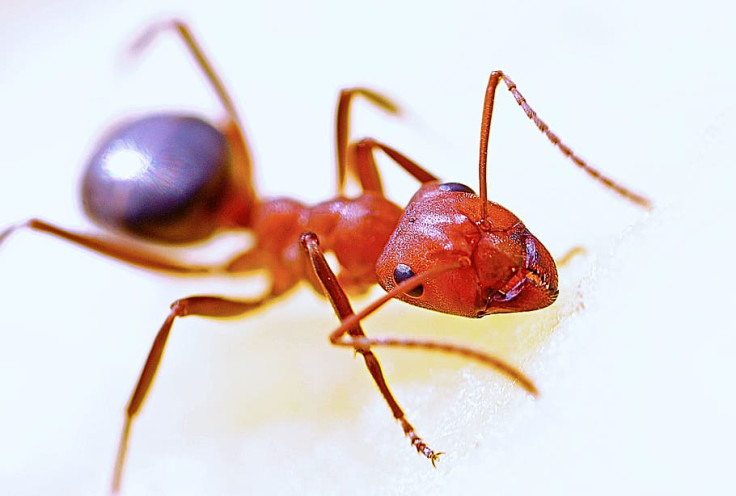
As the fire ant, Solenopsis invicta, continues to spread across the globe, its arrival in Italy marks a significant turning point in European history. This invasive species, commonly known as the fire ant, has been colonizing various regions of the world since its origins in South America. Now, it has reached our shores and is making its presence felt, particularly in Sicily.
The History of Fire Ants in Europe
Historically, fire ants have been spotted in imported goods from Spain, Finland, and the Netherlands, but their stable presence in European nature was never confirmed before. This is no longer the case as they have now reached Italy, with 88 nests found in Siracusa province.
Why is the Fire Ant a Threat?
The fire ant poses a significant threat to various reasons:
- Painful Stings: The fire ant can deliver painful stings using its aculeo, injecting toxic venom that causes acute pain and potentially severe allergic reactions, including anaphylaxis.
- Agricultural Damage: Fire ants damage crops by burrowing underground tunnels and interfering with electrical devices.
- Biodiversity Loss: Fire ants prey on invertebrates and small vertebrates, compromising the natural balance of ecosystems.
Climate Change: A Catalyst for Invasion
The current climate change scenario makes half of urban areas in Europe suitable for fire ant colonization, including major cities like London, Paris, Rome, and Barcelona. As global temperatures rise, the continent becomes more conducive to their spread, with coastal Mediterranean cities being particularly vulnerable.
- Port Facilities: Maritime ports can facilitate the introduction of fire ants, enabling them to establish themselves in European ecosystems.
- Urbanization: The expansion of urban areas creates a favorable environment for fire ant colonization, providing food and shelter for the invasive species.
Controlling Fire Ants: A Challenging Task
Historically, attempts to control fire ants have focused on using insecticides. However, these chemicals are only effective for short-term control (3-12 months) and require frequent reapplication. They can also harm other organisms and are expensive for large areas, such as farms, parks, and natural reserves.
- Challenges with Insecticides: Insecticides are often not approved for use in areas where crops are grown or in sensitive ecosystems, including wetlands, endangered species habitats, and animal care facilities. This means that even if insecticides are used, they may need to be reapplied frequently.
- Need for Alternative Solutions: Given the challenges with insecticides, alternative control methods are being explored.
Biological Control: A Promising Approach
Two biological control agents are currently being used against fire ants:
- Decapitating Flies (Foridi): These tiny flies, belonging to the genus Pseudacteon, are being studied for their potential as a biological control agent.
- Thelohania Solenopsae: A protozoan parasite has been discovered in fire ant colonies in the United States. This microorganism is being researched for its potential use as a biological control agent.
Research and Development
Research on the use of these agents is ongoing, with studies focusing on their effectiveness in controlling fire ant populations.
- Mosquito Decapitators: Scientists are working to improve the breeding and production of decapitating flies for field releases.
- Thelohania Solenopsae: Researchers are exploring ways to spread this parasite among fire ant colonies, enabling its use as a biological control agent.
Prevention Strategies
To prevent the spread of fire ants in Europe, several measures can be taken:
- Inspecting Import Goods: Fire ants can hide in imported goods such as plants, soil, and rocks.
- Monitoring for Nests: Early detection and removal of fire ant nests are crucial in preventing infestations.
- Education and Awareness: Public awareness campaigns can help prevent the spread of fire ants by educating people on their risks and how to identify them.
- Development of Biological Control Agents: Researching and developing biological control agents such as decapitating flies and Thelohania Solenopsae can provide an effective long-term solution for controlling fire ant populations.
Conclusion
The invasion of fire ants in Italy marks a significant threat to European ecosystems. Understanding the reasons behind their success and developing effective control methods is crucial for mitigating the impacts of these invasive species.
- Climate Change: The current climate change scenario makes it easier for fire ants to colonize new areas, including urban centers.
- Biological Control: Research on biological control agents holds promise as a long-term solution for controlling fire ant populations.
Frequently Asked Questions
- Can fire ants kill humans?
- How do fire ants damage crops?
- Are there any natural predators of fire ants in the United States?
- What is the most effective way to control fire ant infestations?
- Can fire ants be used as a food source for other animals?
- How can people protect themselves from fire ant stings?
- Can fire ants be used as a biological control agent against other invasive species?
- What is the current state of research on using Thelohania Solenopsae as a biological control agent?


