
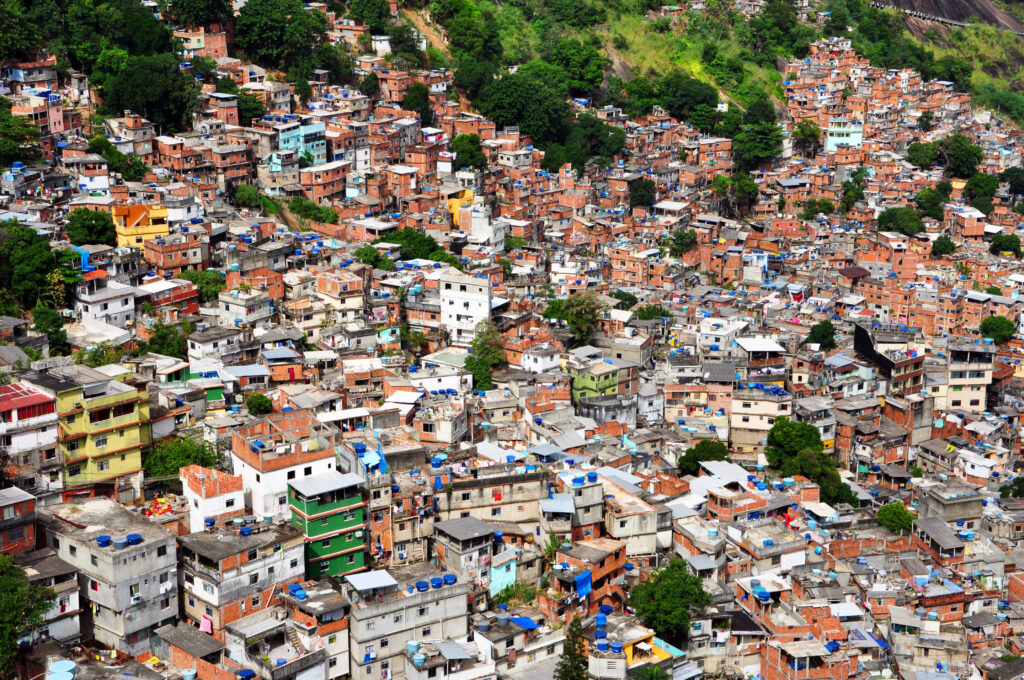
As the world grapples with energy crisis and global warming, sustainable development is crucial to overcome these challenges. Rio de Janeiro, a city in Brazil known for its favelas (shantytowns), presents an interesting case study on urbanization and sustainability. While some parts of the world focus on reducing energy consumption, the residents of Rio’s favelas are moving towards development and sustainable growth.
The Favelas of Rio de Janeiro: A World Apart
Rio’s favelas are infamous for their poverty, crime, and social inequality. According to the Global Human Settlements database, in 1970, 13% of the population lived in these conditions, which has increased to 22% today, with over 1.4 million people living in makeshift shelters.
The situation is dire: violent crime, drug trafficking, and high mortality rates are common features of life in Rio’s favelas. The city recorded an alarming number of murders in 1992, with 3,547 recorded, an average of about 10 per day.
However, there is a glimmer of hope on the horizon. A new urbanization plan, dubbed “Morar Carioca,” aims to transform these slums into dignified neighborhoods. The program has already saved 28 favelas by combating organized crime and is now moving forward with a comprehensive plan for sustainable development.
The UPP Program: A Success Story
One of the key initiatives behind the Morar Carioca plan is the UPP (Unidade de Polícia Pacificadora) program, which focuses on policing and community development. Since its inception, the program has made significant strides in reducing crime and violence, allowing residents to feel safer.
The success of the UPP program has paved the way for the implementation of Morar Carioca, a comprehensive plan that includes:
- Green infrastructure, such as rainwater collection systems
- Sustainable transportation systems, including elevators, funiculars, and public transport
- Waste management programs to reduce pollution
Morar Carioca: A Vision for Sustainable Development
The Morar Carioca program is a model for sustainable development in cities across the world. By transforming favelas into thriving communities, it shows that urbanization can be done with social responsibility and environmental consciousness.
The key aspects of Morar Carioca are:
- Green infrastructure
- Sustainable transportation systems
- Waste management programs
- Community engagement
A Brighter Future for Rio’s Favelas
Rio de Janeiro’s favelas are a microcosm of the challenges facing urban development worldwide. However, the city is now moving towards a brighter future with sustainable development and community engagement.
While there are still many challenges ahead, Rio’s experience offers valuable lessons for other cities looking to transform their own slums into thriving communities.
Frequently Asked Questions
Q: What is the Morar Carioca program?
A: The Morar Carioca program is a comprehensive plan aimed at transforming Rio de Janeiro’s favelas into dignified neighborhoods through sustainable development and community engagement.
Q: How many favelas have been saved by the UPP program?
A: 28 favelas have been saved by the UPP (Unidade de Polícia Pacificadora) program, which focuses on policing and community development.
Q: What are the key features of the Morar Carioca program?
A: The Morar Carioca program includes green infrastructure, sustainable transportation systems, waste management programs, and community engagement to promote sustainable development in Rio’s favelas.
Q: How can other cities learn from Rio’s experience?
A: Other cities can learn from Rio’s experience by prioritizing sustainable development, engaging with local communities, and investing in green infrastructure to create thriving neighborhoods.
Case Study: The Favela of Santa Marta
Santa Marta is one of the largest favelas in Rio de Janeiro, with over 30,000 residents. In recent years, the UPP program has made significant strides in reducing crime and violence, allowing residents to feel safer.
The success of the UPP program in Santa Marta has paved the way for the implementation of Morar Carioca, a comprehensive plan that includes:
- Green infrastructure, such as rainwater collection systems
- Sustainable transportation systems, including elevators, funiculars, and public transport
- Waste management programs to reduce pollution
Community Engagement: A Key Aspect of Morar Carioca
Community engagement is a crucial aspect of the Morar Carioca program. By engaging with local residents, city officials can better understand their needs and concerns.
The UPP program has made significant strides in building trust between law enforcement and the community. By providing resources and support to residents, the program has helped to reduce crime and violence.
Challenges Ahead
While Rio’s experience offers valuable lessons for other cities, there are still many challenges ahead. One of the biggest challenges is funding, as the Morar Carioca program requires significant investment in green infrastructure and sustainable transportation systems.
Additionally, there are concerns about gentrification, as wealthy investors and developers may seek to exploit the favelas’ natural resources for their own gain.
Conclusion
Rio de Janeiro’s favelas present a complex challenge to urban development worldwide. However, the city is now moving towards a brighter future with sustainable development and community engagement.
By prioritizing green infrastructure, sustainable transportation systems, waste management programs, and community engagement, cities can create thriving neighborhoods that benefit both residents and the environment.
As we look to the future, it’s essential to learn from Rio’s experience and prioritize sustainable development in our own communities.


