
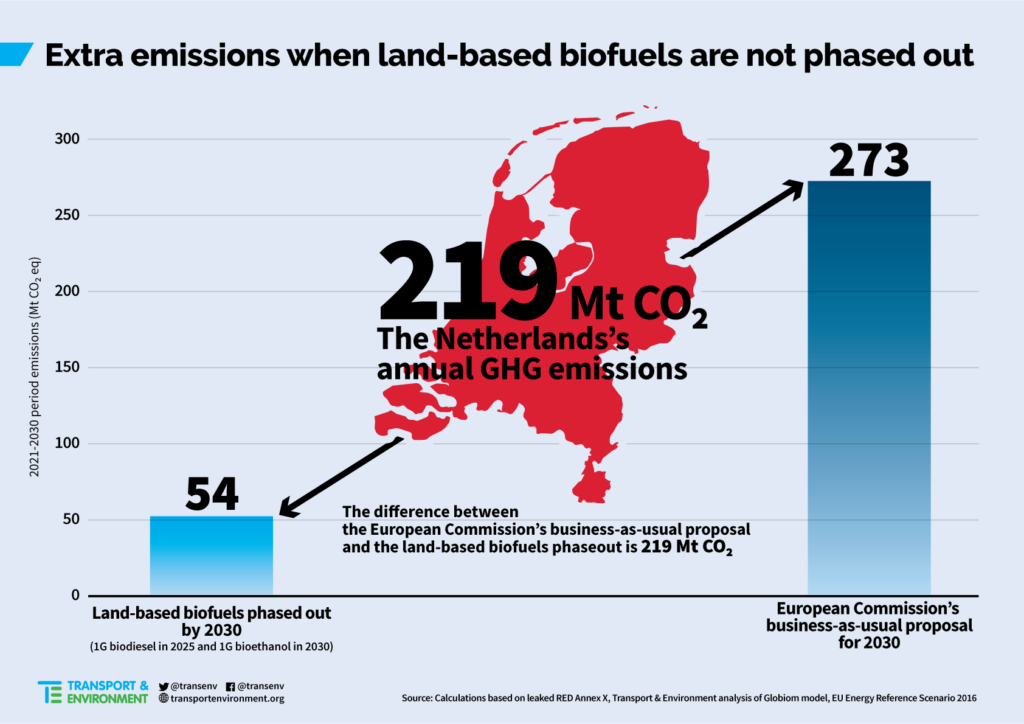
The European Commission has made a significant decision regarding the spread of biofuels in the European Union. In 2012, the Commission decided to limit the use of first-generation biofuels due to concerns about their environmental impact. This decision was made in response to criticism from environmental groups that these fuels were competing with food crops for land use and contributing to deforestation.
In this article, we will delve deeper into the issue of biofuels and their impact on the environment. We will explore what first-generation biofuels are, how they are produced, and why they have been limited by the EU. We will also discuss the potential future of second-generation biofuels and the role they may play in meeting Europe’s energy needs.
Understanding Biofuels
Before we can understand the impact of biofuels, it is essential to grasp what they are and how they are made. Biofuels are fuels derived from organic matter such as plants, waste, or microorganisms. They can be produced through various methods, including fermentation, transesterification, or pyrolysis.
The Different Types of Biofuels
There are two main types of biofuels: first-generation and second-generation biofuels.
- First-Generation Biofuels: These are fuels derived from biomass such as sugarcane, corn, soybeans, or vegetable oils. They can be used to produce ethanol (a liquid fuel) or biodiesel (a diesel-like fuel).
- Second-Generation Biofuels: These are fuels produced from non-food biomass sources such as agricultural waste, algae, or municipal solid waste. They can also be used to produce ethanol or biodiesel.
The Environmental Impact of Biofuels
Biofuels have both positive and negative environmental impacts. On the one hand, they offer a cleaner alternative to fossil fuels by reducing greenhouse gas emissions. However, their production can lead to deforestation, land degradation, and competition with food crops for land use.
For example, the production of first-generation biofuels requires large amounts of land to be cleared for agricultural crops. This can lead to the loss of biodiversity and ecosystem disruption. Additionally, the use of fertilizers and pesticides in these agricultural systems can contribute to water pollution and soil degradation.
On the other hand, second-generation biofuels have a lower environmental impact. These fuels are produced from non-food biomass sources such as agricultural waste, algae, or municipal solid waste. They can also be used to produce ethanol or biodiesel without competing with food crops for land use.
The EU’s Decision: Limiting First-Generation Biofuels
In 2012, the European Commission decided to limit the spread of first-generation biofuels due to concerns about their environmental impact. The decision was made in response to criticism from environmental groups that these fuels were competing with food crops for land use and contributing to deforestation.
The EU’s decision has significant implications for the future of biofuels. While first-generation biofuels will be limited, second-generation biofuels may become more prominent as they offer a cleaner alternative with fewer environmental impacts.
What Does This Mean for the Future of Biofuels?
The EU’s decision has opened up new opportunities for sustainable biofuel technologies that minimize their impact on the environment. As we move forward, it is crucial to continue researching and developing these technologies.
One potential area of research is the development of algae-based biofuels. Algae are a promising source of renewable energy due to their ability to thrive in a variety of environments and produce high yields of biomass.
Another area of research is the development of waste-based biofuels. These fuels can be produced from non-food biomass sources such as agricultural waste, municipal solid waste, or sewage sludge. They offer a cleaner alternative to traditional fossil fuels and can help reduce greenhouse gas emissions.
Conclusion
In conclusion, the EU’s decision to limit the spread of first-generation biofuels has significant implications for the future of sustainable energy technologies. While these fuels have been limited, second-generation biofuels may become more prominent as they offer a cleaner alternative with fewer environmental impacts.
As we move forward, it is crucial to continue researching and developing sustainable biofuel technologies that minimize their impact on the environment. This will require continued investment in research and development, as well as collaboration between government agencies, industry leaders, and civil society organizations.
By working together, we can create a cleaner, more sustainable energy future for all.


