
Introduction
In Europe, approximately 40% of the total energy is dissipated by residential and tertiary sectors, making it essential to improve building energy efficiency to reduce harmful emissions. The Italian government has established regulations to ensure buildings meet certain standards for energy efficiency through certification programs.
The classification system plays a crucial role in identifying which types of buildings have a high energy consumption and which areas need improvement to lower energy usage. By implementing this system, the Italian government aims to encourage building owners and managers to adopt energy-efficient practices and reduce their environmental impact.
What are the classifications of building energy efficiency?
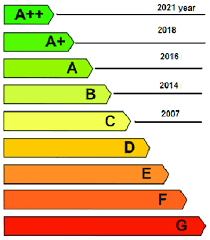
There are several classification systems used across different regions in Italy, but most have adopted a standardized model. For instance, the Lombardy region uses 8 classes as a reference point. These classifications assign a specific class based on the required energy primary needed to heat every square meter of the building’s surface. This value is expressed in kilowatt-hours (kWh) and refers to an average year.
For example, class A represents buildings with a low energy consumption per unit area, while class G represents those with high energy consumption. The classification system provides a clear indication of a building’s energy efficiency level, allowing owners and managers to identify areas for improvement.
How are the classification systems standardized?
To standardize these classifications, several indicators are used, such as the E01 indicator, which represents the average score of all energy performance certifications conducted for a specific building. The scores range from 0 to 10, with a higher score indicating better energy efficiency. Class A+ has the highest score (10), followed by classes A, B, C, D, E, F, and G, with scores ranging from 0 to -350 kWh/m².
The classification system is also supported by the Energy Performance Certificate (APE) scheme, which verifies a building’s energy performance. The APE certificate is required for sales or rentals, and failure to comply may result in fines ranging from €3,000 to €18,000.
What is the role of certification in building energy efficiency?
The Italian government has implemented an obligation for buildings to be certified under the Building Energy Performance Certification (APE) scheme. This certificate demonstrates a building’s energy performance and is required for sales or rentals. The APE scheme provides a standardized way of assessing a building’s energy efficiency, allowing owners and managers to identify areas for improvement.
The certification process involves a thorough assessment of the building’s energy consumption, including factors such as insulation, windows, and heating systems. The assessment is conducted by a qualified professional, who uses specialized software to calculate the building’s energy performance.
What are the implications of certification on property transactions?
The APE certificate is also essential for property transactions. Sellers must provide the certificate during the notarized contract of sale, and failure to do so may lead to financial penalties. The buyer and seller must split these costs equally. For rental contracts, the fine ranges from €1,000 to €4,000.
In addition, the APE certificate provides a clear indication of a building’s energy efficiency level, allowing buyers to make informed decisions about their purchase or rent. This transparency is essential for promoting sustainable development and reducing greenhouse gas emissions.
What measures can be taken to improve building energy efficiency?
One possible approach is to set a maximum size limit for buildings, beyond which they are required to adhere to specific energy-saving standards (classes A or B). Incentives for renovation projects aimed at improving the building’s energy efficiency could also be implemented. One way to reduce heat loss is by replacing old windows and doors with more efficient ones.
Other measures that can improve building energy efficiency include:
- Installing insulation in walls, floors, and ceilings
- Using renewable energy sources such as solar or wind power
- Implementing energy-efficient heating systems
- Upgrading lighting systems to LED bulbs
- Conducting regular maintenance and repairs
Dispersion of Heat: A Key Issue in Building Energy Efficiency
Heat dispersion is a significant problem in buildings that do not follow energy-efficient principles. To illustrate this, consider the termographic image where areas of color yellow, orange, and red indicate heat loss, while blue indicates no heat loss.
By replacing old windows and doors with more efficient ones, you can limit heat dispersion and reduce heating costs for tenants, who may then experience significant savings. This measure can also improve indoor air quality by reducing the amount of cold air that enters the building through gaps in the window frames.
Benefits of Building Energy Efficiency
Improving building energy efficiency has numerous benefits, including:
- Reduced greenhouse gas emissions
- Lower energy consumption and costs for tenants
- Improved indoor air quality
- Enhanced property value
- Increased occupant comfort and productivity
By adopting energy-efficient practices, building owners and managers can contribute to a healthier environment while also saving money on energy costs.
Conclusion
The classification system plays a crucial role in promoting building energy efficiency in Italy. By implementing standardized measures and incentives for renovation projects, the Italian government aims to encourage building owners and managers to adopt energy-efficient practices and reduce their environmental impact.
As the demand for sustainable development continues to grow, it is essential that building owners and managers prioritize energy efficiency in their buildings. By doing so, they can contribute to a healthier environment while also saving money on energy costs.
FAQs
- What is the purpose of classifying buildings based on their energy efficiency?
The classification system helps identify which types of buildings have a high energy consumption and which areas need improvement to lower energy usage. - How are the classifications standardized in Italy?
A standardized model, such as that used by the Lombardy region (8 classes), ensures consistency across different regions in the country. - What is the role of certification in ensuring building energy efficiency?
The Building Energy Performance Certificate (APE) scheme verifies a building’s energy performance and is mandatory for sales or rentals. - Can the classification system be applied to new buildings?
Yes, it can, as many regions have adopted standardized models that include new construction projects. - What are some ways to improve building energy efficiency?
Incentives for renovation projects, setting a maximum size limit for buildings beyond which they must adhere to specific standards (classes A or B), and replacing old windows and doors with more efficient ones can all help reduce heat loss and energy consumption. - How does the classification system affect property transactions?
The Building Energy Performance Certificate is required for sales or rentals, and failure to comply may result in fines ranging from €3,000 to €18,000 (sales) or €1,000 to €4,000 (rentals). - Can I use a general energy-efficient measure rather than specifying class A or B?
No, the classification system requires buildings to meet specific standards of energy efficiency. - What are some ways to reduce heat dispersion in buildings?
Replacing old windows and doors with more efficient ones can significantly limit heat loss and save heating costs for tenants.
By applying these measures, building owners and managers can contribute to a healthier environment by reducing greenhouse gas emissions.


