
As we strive to reduce our carbon footprint and live more sustainably, it’s essential to understand the energy balance of various materials used in construction. In this article, we’ll delve into the world of wood, exploring its unique characteristics, benefits, and challenges.
What is the Energy Balance of Wood?
The production of wood requires significantly less energy than that of steel or aluminum. In fact, wood requires only about one-fifth of the energy needed to produce steel and eleven times less energy than aluminum. Additionally, compared to cement, wood has a higher energy efficiency and is more environmentally friendly.
Why is Wood an Energy-Efficient Material?
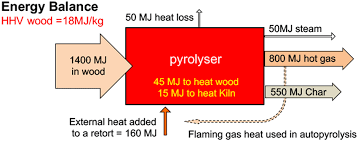
When working with wood, we need to consider the energy required for processing, transportation, and assembly. However, if wood production is carried out efficiently, the overall energy balance of the material remains positive. To illustrate this, let’s consider a rough estimate: approximately 75% of one cubic meter of wood can be used as construction timber, while 25% will be discarded or burned as fuel.
So, why is the energy balance of wood positive? The answer lies in the fact that burning the discarded wood (or “log” waste) produces more energy than was initially expended during processing and transportation. This process also avoids generating hazardous waste that can harm the environment.
The Carbon Cycle: A Key to Understanding Wood’s Energy Balance
It’s essential to consider the carbon cycle when evaluating the energy balance of wood. The combustion of discarded wood (or log waste) produces CO2, but this amount is offset by the amount of CO2 released during the tree’s life cycle. This means that the overall carbon footprint of wood is negligible.
Debunking the Myth: Wood Doesn’t Harm the Environment
A common misconception about wood is that its use leads to deforestation and environmental degradation. However, this is not necessarily true. In fact, when wood is harvested sustainably, it can actually help maintain healthy forests. The case of Sweden, a major European exporter of construction timber, illustrates this point. Despite increasing demand for timber, the country’s forest area has grown in recent years.
Certification Schemes: Ensuring Sustainable Wood Production
To ensure that wood products come from sustainably managed forests, look for certification schemes like FSC (Forest Stewardship Council), PEFSC (Programme for Endorsed Forest Certification), or UFAM (Union for Forest Development and Management). These certifications guarantee that the wood has been harvested according to strict environmental and social standards.
How Certification Schemes Work
Certification schemes like FSC work by verifying that forests are managed in a way that is free from excessive deforestation, habitat destruction, and other negative impacts on biodiversity. The certification process involves assessing the forest’s ecological integrity, social justice, and economic viability before issuing a certificate of compliance.
FSC Certification: A Global Standard
The Forest Stewardship Council (FSC) is one of the most widely recognized certification schemes for sustainable wood production. FSC certifies that wood products come from forests that have been managed in accordance with strict environmental and social standards. The scheme has gained international recognition, with over 240 million hectares of certified forestland worldwide.
Benefits of Certification Schemes
Certification schemes like FSC offer several benefits to consumers, including:
- Transparency: Certifications provide information about the origin of wood products, allowing consumers to make informed decisions.
- Quality assurance: Certification ensures that wood products meet high standards for quality and sustainability.
- Environmental protection: Certification promotes sustainable forestry practices, protecting biodiversity and ecosystems.
Challenges in Sustainable Wood Production
While certification schemes like FSC have made significant progress in promoting sustainable wood production, challenges still exist. These include:
- Lack of enforcement: In some cases, certification schemes may not be effectively enforced, allowing non-compliant producers to operate.
- Limited awareness: Consumers may not be aware of the benefits and risks associated with sustainably sourced wood products.
- Economic pressures: The demand for cheap timber can lead to unsustainable forestry practices.
Conclusion
In conclusion, the energy balance of wood is a complex topic that requires careful consideration. While wood production does require some energy, sustainable harvesting and processing practices can minimize this impact. By choosing certified sustainable wood products and adopting environmentally friendly building practices, we can reduce our carbon footprint and contribute to a more sustainable future.
Frequently Asked Questions
- Q: Is wood really an eco-friendly material?
A: Yes, wood is one of the most eco-friendly materials in construction. Its production requires significantly less energy than that of steel or aluminum. - Q: How does the carbon cycle affect wood’s energy balance?
A: The carbon cycle ensures that the amount of CO2 released during wood combustion is offset by the amount of CO2 produced during the tree’s life cycle, resulting in a negligible overall carbon footprint. - Q: Do wood products always contribute to deforestation?
A: No, sustainable harvesting and certification schemes like FSC or PEFSC can ensure that wood products come from responsibly managed forests. - Q: What is the role of certification schemes in ensuring sustainable wood production?
A: Certification schemes like FSC guarantee that wood products meet strict environmental and social standards, promoting responsible forestry practices. - Q: Can I still use wood if it’s not certified sustainably?
A: While uncertified wood may seem like a more affordable option, choosing sustainably sourced wood products can help reduce your carbon footprint and contribute to a more environmentally friendly future. - Q: How does the energy balance of wood compare to other construction materials?
A: Wood requires significantly less energy than steel or aluminum and has a higher energy efficiency compared to cement. - Q: Can I reuse or repurpose wood waste instead of burning it?
A: Yes, reusing or repurposing wood waste can reduce the amount of CO2 released during combustion and minimize waste disposal issues. - Q: What are some ways to incorporate sustainable wood practices into my building project?
A: Consider using certified sustainably sourced wood products, adopting environmentally friendly building practices, and exploring alternative materials like recycled or reclaimed wood.
By understanding the energy balance of wood and incorporating sustainable practices into our construction projects, we can reduce our environmental impact and create a more eco-friendly future.


