
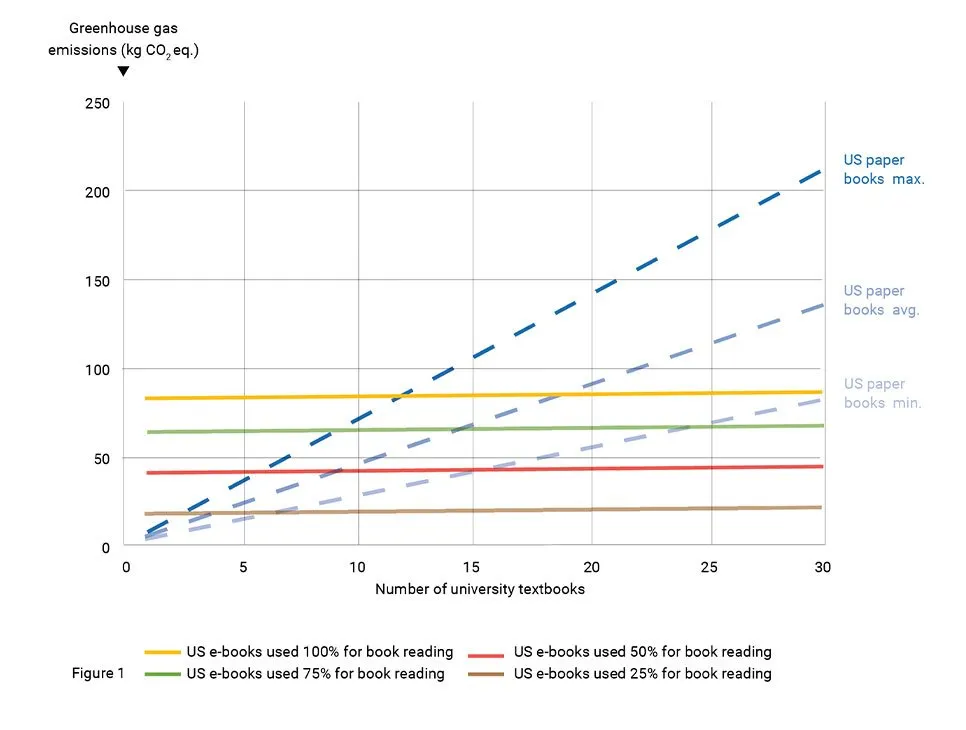
As we navigate the digital age, it’s essential to ponder the environmental impact of eBooks. Are they as eco-friendly as they seem? Let’s dive into the world of eReaders and explore the pros and cons.
The Dark Side of Traditional Books
While eBooks are touted for their environmental benefits, let’s not forget about the carbon footprint associated with traditional books. Buying a physical book requires us to leave our homes, produce emissions, and waste time searching for a store that carries the title we want. In the worst-case scenario, we might need to order the book online, which means shipping it to our doorstep and generating more emissions.
In contrast, eBooks can be downloaded directly onto our devices in mere seconds. This instant gratification is a significant advantage over traditional books. However, this convenience comes at a cost – not just for the environment, but also for the publishing industry.
The Decline of Traditional Bookstores
As eBook sales rise, we might wonder if traditional bookstores will survive. For now, they remain an essential part of our literary landscape, symbolizing knowledge and status. Yet, behind the scenes, publishers are shifting their focus towards profit-driven strategies, compromising on the quality and sustainability of their products.
Traditional books come with a hefty environmental price tag. From the forests where trees are harvested to produce paper to the water used in production, every aspect of book manufacturing has an impact on our planet. Not to mention the excess packaging, wasted pages, and unnecessary design elements that only serve to increase production costs.
The Environmental Impact of eBooks
Now, let’s examine the environmental benefits of eBooks. Are they truly as eco-friendly as we think? The answer lies in the specifics. According to a study by Tejo Pydipati, titled “Energy Use of Print vs Electronic Media,” reading digital documents generates significantly less pollution than print versions – especially when multiple people share a single document.
This finding highlights the importance of libraries and shared resources. When we visit a library to access a book, its environmental impact is greatly reduced compared to purchasing a new copy. By sharing eBooks, we can minimize our carbon footprint while still enjoying the convenience of digital reading.
E-book Production: A Complex Issue
The production of eBooks also has an environmental impact. For instance, the manufacturing process for eReaders involves mining rare earth metals and producing plastics. Moreover, the energy consumption required to power these devices contributes to greenhouse gas emissions.
However, it’s worth noting that many eBook manufacturers are exploring ways to reduce their carbon footprint. Some companies are using recycled materials in their production processes or implementing sustainable practices such as using renewable energy sources.
The Benefits of eBooks
Despite some environmental concerns, eBooks offer numerous benefits over traditional books. Here are a few:
- Convenience: eBooks can be easily accessed and read on various devices, making them perfect for commuters, travelers, or anyone with limited space.
- Space-saving: With eBooks, you no longer need to worry about storage space in your home. They take up virtually no room, making them ideal for people living in small apartments or dorm rooms.
- Accessibility: eBooks can be easily shared among family members, friends, or even library patrons. This feature promotes a culture of sharing and collaboration, which is more environmentally friendly than buying multiple copies of the same book.
The Future of Publishing: Sustainable Practices
As consumers become increasingly aware of the environmental impact of their choices, publishers are responding by adopting sustainable practices. Some notable examples include:
- Sustainable paper: Many publishers now use recycled or sustainably sourced paper for their print books.
- Eco-friendly packaging: Companies are moving away from single-use plastic packaging and opting for biodegradable or recyclable materials instead.
- Digital-first publishing: With the rise of eBooks, some publishers are adopting a digital-first strategy, releasing e-book versions of titles before their print counterparts.
Conclusion: The Environmental Impact of eBooks
The environmental impact of eBooks is a complex issue influenced by various factors such as production methods, consumption patterns, and industry priorities. While eBooks offer several benefits, traditional books continue to have an environmental cost associated with their production.
By choosing eco-friendly options, supporting sustainable publishers, and sharing resources like libraries, we can make a positive difference in the world. As we move forward in this digital age, it’s crucial to consider the implications of our choices and strive for a more sustainable future.
Frequently Asked Questions:
Q1: Are eBooks more environmentally friendly than traditional books?
A1: The answer depends on various factors, including production methods, consumption patterns, and industry priorities. While eBooks offer several benefits, traditional books continue to have an environmental cost associated with their production.
Q2: How can I reduce the environmental impact of my eBook choices?
A2: By choosing eBooks that adhere to sustainable practices, supporting publishers who prioritize eco-friendliness, and sharing resources like libraries, you can minimize your carbon footprint.
Q3: What role do traditional bookstores play in the publishing industry?
A3: Traditional bookstores remain an essential part of our literary landscape, symbolizing knowledge and status. However, behind the scenes, publishers are shifting their focus towards profit-driven strategies, compromising on the quality and sustainability of their products.
Q4: How can I make my eBook choices more sustainable?
A4: By choosing eBooks that use minimal energy consumption, support authors who prioritize environmental awareness, and adhere to sustainable publishing practices. You can also explore digital platforms that promote eco-friendliness and sustainability.
Q5: Can traditional books be made more environmentally friendly?
A5: Yes, the publishing industry is exploring ways to make traditional books more sustainable. This includes using recycled materials, reducing waste, and promoting eco-friendly practices throughout the production process.
Q6: How do I know which eBooks are more environmentally friendly?
A6: Look for eBooks that use minimal energy consumption, support authors who prioritize environmental awareness, and adhere to sustainable publishing practices. You can also explore digital platforms that promote eco-friendliness and sustainability.
Q7: Can sharing eBooks help reduce waste?
A7: Yes, sharing eBooks through digital platforms or libraries can significantly reduce waste by minimizing the need for multiple copies of books.
A8: By choosing eBooks from authors who prioritize environmental awareness and promoting their work through social media and reviews, you can help amplify their message and support sustainable publishing practices.


