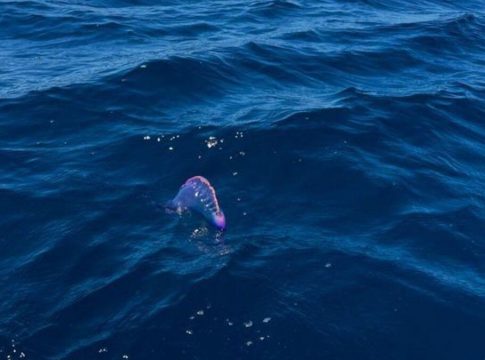
As we explore the vast expanse of our oceans, it’s essential to be aware of the creatures that call them home. One such creature is the Portuguese man-of-water (Physalia physalis), a marine organism that has been making headlines due to its deadly venom and elusive nature. In this article, we’ll delve into the world of this gelatinous predator, exploring what it is, why it’s so perilous, how to avoid it, and more.
What is the Portuguese Man-of-Water?
The Portuguese man-of-water is a type of jellyfish that belongs to the family of cnidarians. Its distinctive appearance features a gas-filled sac that allows it to float on the surface of the water, accompanied by long, thin tentacles that can reach up to 30 meters in length.
Despite its eerie resemblance to a traditional sailor’s bell, this creature is not actually a sailboat or any other type of vessel; rather, it gets its nickname from sailors who reported seeing these gelatinous beings floating on the water. In terms of its actual form, the Portuguese man-of-water is composed of a network of nerve cells that help guide its movements.
Found in temperate and tropical waters around the globe, including the Atlantic Ocean, Indian Ocean, and Pacific Ocean, this creature lives in groups known as colonies or ‘swarms’ which typically consist of thousands of these gelatinous entities. While they’re not actually animals but rather a group of organisms living together, one might say that it can behave like an animal.
Why is the Portuguese Man-of-Water so Perilous?
The reason why this creature is considered so hazardous to humans lies in its ability to inject its victims with powerful venom through its tentacles. These nematocysts contain microscopic, stinging cells called cnidocytes that can cause painful, swelling, and blistering on the skin.
Once punctured by a Portuguese man-of-water’s tentacle, the venom is released into the water where it can easily spread to other parts of your body. This results in an intense burning sensation that may worsen over time if not treated promptly.
In rare cases, if left untreated, this condition can escalate into more severe health issues such as respiratory problems, nausea, dizziness, or even anaphylaxis – a potentially life-threatening allergic reaction.
The Life Cycle of the Portuguese Man-of-Water
Before we dive deeper into the dangers posed by these creatures, it’s essential to understand their life cycle. The Portuguese man-of-water undergoes a complex process called “transformation,” where it changes from its juvenile form to an adult one over time.
In this process, young Portuguese man-of-waters are born from eggs that hatch into small, free-swimming larvae. These larvae drift in the water column for several days before settling on the ocean floor and attaching themselves to a surface using their tentacles.
As they grow, they eventually detach themselves from their substrate and begin to float upwards towards the surface, guided by an upward-flowing current. Eventually, these young creatures transform into adult Portuguese man-of-waters, which can live for several months.
How to Avoid Being Stung by a Portuguese Man-of-Water
While it’s impossible to completely avoid being stung by one of these creatures, there are steps you can take to minimize your risk:
- Avoid swimming in areas with known Portuguese man-of-water populations, especially during peak season (usually between May and October).
- Wear protective clothing such as a wetsuit or swimsuit that covers your skin when swimming or snorkeling in areas where Portuguese man-of-waters have been spotted.
- Swim near the surface, where you’re more likely to spot these creatures before they sting you.
It’s also important to note that Portuguese man-of-waters are generally found in shallow waters, typically between 10-30 feet deep. If you plan to engage in water activities like swimming, snorkeling, or diving, be sure to check with local authorities for any reported sightings or warnings.
What to Do After Being Stung by a Portuguese Man-of-Water
If you find yourself in the unfortunate situation of being stung by one of these creatures, there are steps you can take to alleviate your discomfort:
- Rinse the affected area with saltwater, which can help reduce the severity of the sting.
- Remove any remaining tentacles using tweezers or a credit card (do not use sharp objects like knives).
- Apply warm water to reduce pain and inflammation.
- Seek medical attention if symptoms worsen.
In some cases, antivenom may be administered to counteract the effects of the venom. If you experience any of the following symptoms after being stung by a Portuguese man-of-water, seek medical attention immediately:
- Severe pain or swelling
- Difficulty breathing
- Dizziness or lightheadedness
- Nausea or vomiting
- Abnormal heartbeat
Conclusion
The Portuguese man-of-water is a marine organism that commands respect due to its deadly venom and elusive nature. While it’s impossible to completely avoid being stung by one of these creatures, understanding their life cycle, behavior, and how to avoid them can help minimize your risk.
If you do find yourself in the unfortunate situation of being stung by a Portuguese man-of-water, follow proper first aid procedures and seek medical attention if symptoms worsen. By taking these precautions, you can ensure a safe and enjoyable experience exploring our oceans.