
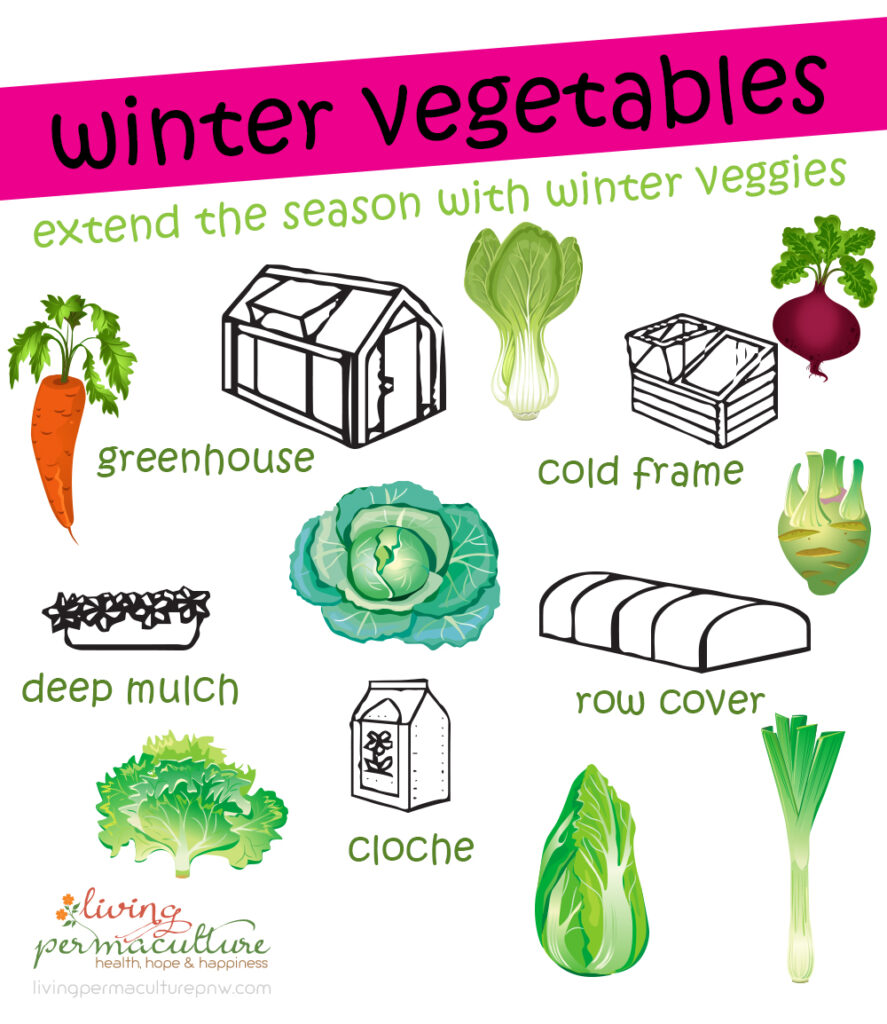
Many people believe that only warm weather allows for a thriving garden, but the truth is that winter can be an excellent time to cultivate delicious and nutritious vegetables. With the right knowledge and techniques, you can enjoy a bountiful harvest even in the coldest months of the year.
Why Grow Winter Vegetables?
Winter gardening offers several benefits, including:
- Year-round food supply: By growing your own winter vegetables, you can have a consistent source of fresh produce throughout the year.
- Improved nutrition: Many winter vegetables are rich in vitamins and minerals that are essential for maintaining good health.
- Environmental sustainability: Growing your own food reduces your reliance on industrial agriculture and minimizes your carbon footprint.
Choosing the Right Winter Vegetables
Not all vegetables are created equal when it comes to winter gardening. Some varieties are more resilient than others and can thrive in cooler temperatures. Here are some of the most popular winter vegetables:
- Root vegetables: Carrots, beets, turnips, and parsnips are all excellent choices for winter gardens.
- Brassicas: Broccoli, cauliflower, kale, and cabbage are well-suited to cold weather and can tolerate light frosts.
- Alliums: Garlic, onions, and shallots are great options for winter gardens, as they can be harvested in the spring or early summer.
Tips for Growing Winter Vegetables
While growing winter vegetables requires some special considerations, there are many techniques that can help ensure a successful harvest. Here are some tips to get you started:
- Choose varieties that are resistant to cold temperatures: Look for varieties that are specifically bred for winter production and can tolerate light frosts.
- Plant at the right time: In most regions, it’s best to plant winter vegetables in late summer or early fall, about 8 weeks before the first frost.
- Provide protection from extreme weather: Use row covers, cold frames, or hoop houses to protect your plants from wind, frost, and other extreme weather conditions.
Growing Winter Vegetables Indoors
If you don’t have a garden, don’t worry! You can still grow winter vegetables indoors using a variety of techniques. Here are some ideas:
- Use grow lights: If you don’t have access to natural light, consider using grow lights to supplement the light your plants receive.
- Choose compact varieties: Look for varieties that are specifically bred for indoor production and can thrive in small spaces.
- Utilize vertical space: Use trellises or other support systems to maximize your space and make the most of your indoor garden.
Tips for Growing Winter Vegetables Indoors
Growing winter vegetables indoors requires some special considerations. Here are some tips to help you get started:
- Maintain a consistent temperature: Most winter vegetables prefer daytime temperatures between 60-70°F (15-21°C) and nighttime temperatures around 50-60°F (10-15°C).
- Monitor humidity levels: Winter vegetables prefer a relatively high humidity level, typically above 50%.
- Provide adequate light: Make sure your plants receive sufficient light. If using grow lights, ensure they are placed at the appropriate distance from the plants.
Common Challenges and Solutions
Growing winter vegetables can be challenging, but there are many solutions to common problems. Here are some tips for overcoming common challenges:
- Frost damage: Use row covers or cold frames to protect your plants from frost damage.
- Pests and diseases: Regularly inspect your plants for signs of pests or disease, and take action promptly if you notice any issues.
- Nutrient deficiencies: Fertilize your plants regularly to ensure they receive all the necessary nutrients.
Conclusion
Growing winter vegetables is a fun and rewarding experience that can provide you with fresh, nutritious produce all year round. By choosing the right varieties, following proper techniques, and providing protection from extreme weather, you can enjoy a bountiful harvest even in the coldest months of the year.
In addition to these tips and techniques, here are some additional resources that can help you get started:
- Winter gardening books: There are many excellent books on winter gardening that can provide you with detailed information and inspiration.
- Online forums and communities: Joining online forums or communities dedicated to winter gardening can be a great way to connect with other gardeners, ask questions, and share knowledge.
- Local gardening clubs: Look for local gardening clubs or organizations in your area that may offer workshops, classes, or other resources specifically focused on winter gardening.


