
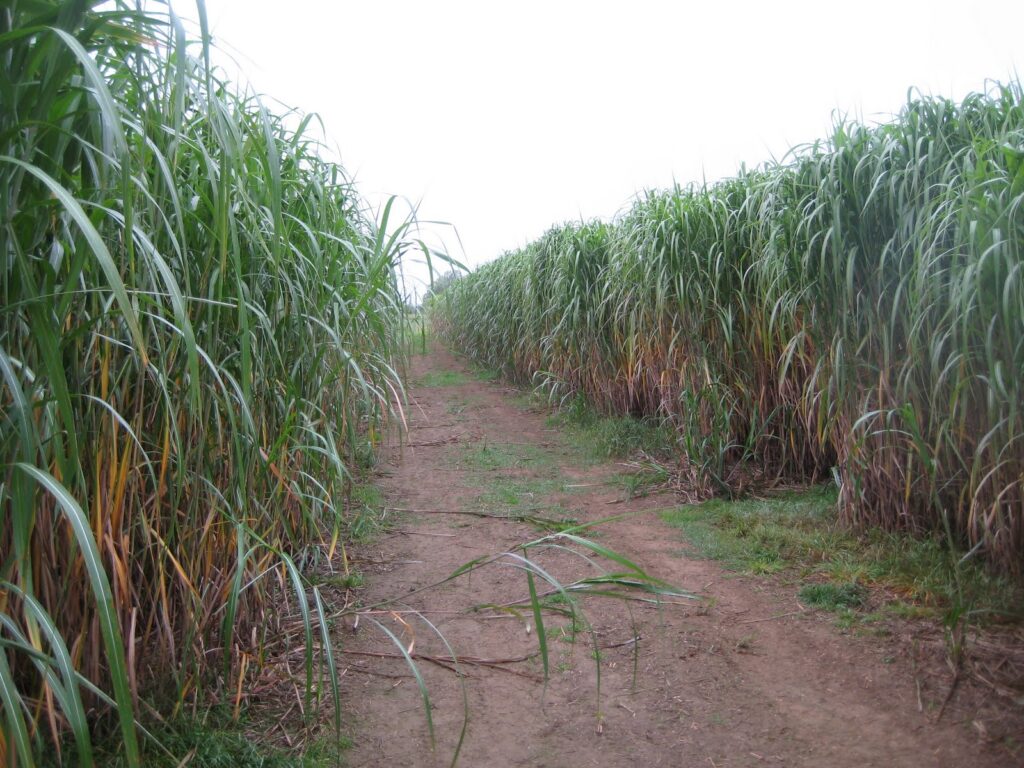
As the world shifts towards renewable energy sources, crops like Miscanthus are gaining attention for their potential in biomass production. With a high yield rate and low water consumption, Miscanthus has become an attractive option for farmers looking to diversify their income streams. In this article, we’ll delve into the cultivation of Miscanthus, exploring its benefits, challenges, and best practices.
Understanding Miscanthus
Miscanthus is a type of grass that belongs to the family Graminaceae. Native to Asia, it has been widely cultivated in Europe for its biomass production potential. The crop has a high yield rate, with an average annual production of 15-25 tons per hectare. However, this can vary depending on factors like soil quality and climate conditions.
Optimal Production Conditions
For optimal production, Miscanthus requires specific growing conditions. A density of around 20,000 rizomes per hectare is ideal, although most commercial crops aim for a lower density of 12-15,000 rizomes per hectare. This is due to the high cost of propagation material.
Harvesting and Post-Harvest Handling
The best time to harvest Miscanthus is in late winter, after most leaves have fallen to the ground and before the first spring rains. During this period, the biomass’s moisture content is relatively low, making it easier to handle. However, harvesting too early can result in a lower yield.
Biomass Quality and Quantity
The quality of Miscanthus biomass varies depending on factors like soil type and climate conditions. In general, biomass harvested from Miscanthus crops with high potash and phosphate content tends to be higher in quality. Farmers often use traditional practices like trampling and mulching to improve soil health and increase crop yields.
Fertilization and Soil Management
Miscanthus is a low-input crop, meaning it requires minimal fertilizers. In fact, some farmers choose not to apply any additional nutrients at all. However, this can be challenging in areas with poor soil quality or limited nutrient availability. Farmers may need to use external fertilizers to supplement the crop’s nutritional needs.
Propagation and Planting
When propagating Miscanthus, it’s essential to use high-quality material to ensure a strong start for the crop. Trained staff often use specialized equipment like tractors and planters to handle the large quantities of rizomes required for commercial cultivation. Rizoms are typically planted at a depth of 15 cm using a modified potato planter.
Challenges in Crop Management
Despite its potential benefits, Miscanthus crops face several challenges in their management. One major issue is harvesting, which can be tricky due to the crop’s dry and brittle nature. This makes it difficult to collect biomass without damaging the plants or losing valuable material.
The Role of Miscanthus in Sustainable Energy Production
As concerns about climate change grow, biomass production from crops like Miscanthus becomes increasingly important for renewable energy sources. The use of Miscanthus as a feedstock can help reduce greenhouse gas emissions and promote sustainable agriculture practices. While challenges remain, the benefits of growing Miscanthus make it an attractive option for farmers and policymakers alike.
Best Practices for Miscanthus Cultivation
For those interested in cultivating Miscanthus, here are some best practices to keep in mind:
- Plant high-quality rizomes at a depth of 15 cm.
- Maintain optimal soil conditions with adequate moisture and nutrients.
- Harvest biomass during late winter, when the crop is dry and brittle.
- Use traditional practices like trampling and mulching to improve soil health.
Conclusion
Miscanthus has become an increasingly popular crop for energy production due to its high yield rate and low water consumption. While challenges remain in its cultivation, best practices and careful management can help ensure a successful harvest. As the world shifts towards renewable energy sources, crops like Miscanthus will play an essential role in promoting sustainable agriculture practices.
Frequently Asked Questions
- What is the ideal density of Miscanthus plants per hectare?
The optimal density for Miscanthus cultivation is around 20,000 rizomes per hectare. - How do I harvest Miscanthus biomass?
Harvesting should be done during late winter when most leaves have fallen to the ground and before first spring rains. Avoid harvesting too early to ensure a higher yield. - What are the benefits of using Miscanthus as a feedstock for energy production?
The use of Miscanthus as a feedstock can help reduce greenhouse gas emissions and promote sustainable agriculture practices. - How do I maintain optimal soil conditions for Miscanthus cultivation?
Maintain adequate moisture levels, and fertilize the crop with high-quality nutrients to ensure healthy growth and development.
Additional Resources
If you’re interested in learning more about Miscanthus cultivation or need further guidance on its management, consider consulting with agricultural experts or visiting local farms. Some recommended resources include:
- Agriculture and Food Development Authority (AFDA) of the United Kingdom
AFDA’s publications offer comprehensive guides to best practices for growing Miscanthus as a biomass crop. - Agri-Food and Biosciences Institute (AFBI)
The AFBI provides in-depth analysis on the production costs, yields, and economic viability of Miscanthus farming.
By adopting these best practices and staying up-to-date with the latest research and developments, you can help ensure a successful harvest from your Miscanthus crop.


