
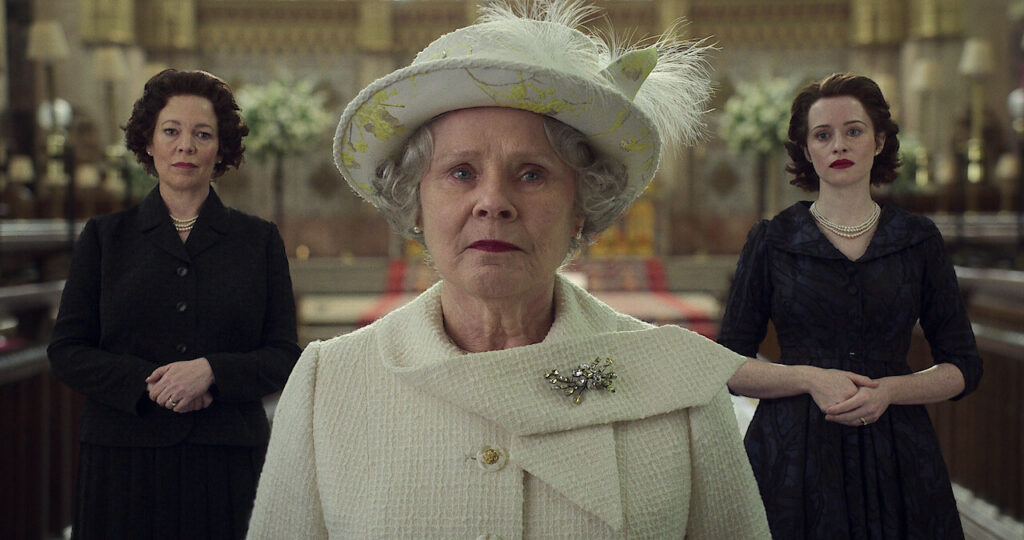
When it comes to historical dramas, few productions have received as much acclaim and scrutiny as Netflix’s “The Crown.” This critically acclaimed series dives deep into the personal and public lives of the British royal family, showcasing the challenges, triumphs, and controversies that have defined their reign. But why has this series captured the imagination of viewers worldwide? What does it reveal about the monarchy’s legacy, both on-screen and off? Join us as we explore the intricate tapestry of history, culture, and entertainment woven together in “The Crown.”
An Overview of “The Crown”
Created by Peter Morgan, “The Crown” premiered on Netflix in November 2016 and has since garnered numerous awards and a dedicated fanbase. The show chronicles the reign of Queen Elizabeth II from her marriage in 1947 through significant historical events, political turmoil, and personal struggles. Each season covers a decade of her life, featuring pivotal moments that shaped not just the British monarchy but the world at large. The ensemble cast, which has included Claire Foy, Olivia Colman, and Imelda Staunton, brings to life both the complexity of the characters and the weight of their decisions.
The Complex Narrative
One of the distinct features of “The Crown” is its ability to blend political history with intimate personal stories. The series provides a glimpse into key moments in British history—such as the Suez Crisis, the Apollo 11 moon landing, and various prime ministerial tenures—while also delving into the familial dynamics of the royal family. The tension between public duty and private lives creates a compelling narrative that resonates with viewers. The portrayal of characters navigating their roles set against the backdrop of historical events enables audiences to connect with these figures on a human level.
For example, the series addresses the complicated relationship between Queen Elizabeth and her sister Margaret. The pressures of royal life and expectations create friction, showcasing the sacrifices that come with privilege. Similarly, the interactions between Elizabeth and her prime ministers, including Winston Churchill and Margaret Thatcher, reflect not only the political landscape of the time but also the personal challenges that arise from leadership.
The Historical Accuracy Debate
While “The Crown” is celebrated for its production quality and storytelling, it has also faced criticism regarding historical accuracy. Critics argue that certain events are dramatized for effect, which can blur the lines between fact and fiction. For instance, the series presents controversial moments and relationships that, while captivating, may not reflect the actual events as they occurred.
Peter Morgan has acknowledged this challenge, stating that his goal is not to provide a documentary but to explore the emotional truth behind the events. This raises an important question for viewers: How much creative license should be taken when representing history? The blend of fact and fiction makes for engaging television, but it also calls for viewers to approach the series with a discerning mindset.
The Impact on the Monarchy’s Image
“The Crown” has undoubtedly influenced public perception of the British royal family. By highlighting both their missteps and their moments of valor, the series offers a nuanced portrayal that has sparked discussions on the monarchy’s relevance in modern society. It creates empathy for Queen Elizabeth II, whose life has been governed by duty and expectation, while also examining the ramifications of decisions made by her family members.
For many viewers, especially those outside the UK, “The Crown” serves as an introduction to British history and the complexities of royal life. Its global reach has contributed to a renewed interest in the monarchy, prompting both admiration and skepticism. Some viewers see the royal family as a symbol of tradition and continuity, while others question the institution’s place in a contemporary democratic society.
The portrayal of events such as Princess Diana’s struggles and the fallout from her marriage to Prince Charles has particularly resonated with audiences. These storylines have humanized the royal family, shedding light on their vulnerabilities and the human costs of living in the public eye. As viewers engage with these narratives, they often find themselves contemplating the balance of power, fame, and privacy in their own lives.
[amazon box=”B08XLLF3PG”]
Cultural Reflections
Beyond its narrative and historical context, “The Crown” also reflects broader cultural themes. It speaks to issues surrounding gender, class, and identity—both in Britain and globally. Queen Elizabeth II’s ascension to the throne occurred in a male-dominated society, and the series examines how she navigated challenges imposed by tradition. Similarly, the show explores the role of women within the royal family, such as Princess Anne and Princess Diana, and how they shaped public discourse on femininity and autonomy.
Moreover, “The Crown” enters the larger conversation about privilege and the responsibilities that accompany it. The characters often grapple with the implications of their status, and the series raises pertinent questions about accountability and morality. As viewers engage with these themes, “The Crown” encourages reflection on societal values and the complexities of governance in a modern world.
Aesthetic Excellence
One cannot discuss “The Crown” without acknowledging its breathtaking production quality. The show is visually stunning, with meticulous attention to detail in set design, costumes, and cinematography. This aesthetic excellence not only enhances the storytelling but also immerses viewers into the time periods depicted. The creators have brought to life iconic locations, from Buckingham Palace to the Scottish Highlands, adding depth and authenticity to the narrative.
The craftsmanship behind the series contributes to its impact, making it not just a retelling of history but a work of art. The striking visuals and score by Hans Zimmer evoke emotions and elevate pivotal scenes, drawing audiences deeper into the royal experience. This immersive quality solidifies “The Crown” as a cultural phenomenon that has redefined the standard for historical dramas.
The Future of “The Crown”
As “The Crown” continues to evolve, it raises questions about the future direction of the series. With Queen Elizabeth II’s passing in September 2022, the narrative is poised to shift significantly. Upcoming seasons are expected to delve deeper into the complexities of leadership transition and the royal family’s adaptation to a modern world. The portrayal of recent events, such as the marriage of Prince Harry and Meghan Markle and the subsequent media scrutiny, is likely to explore themes of modernity, identity, and the monarchy’s future relevance.
This transition presents a challenge for the creators, as they must balance historical fact with emotional storytelling while navigating the delicate landscape of real-time events. However, it also represents an opportunity to further engage audiences and invite them into conversations about legacy, change, and the nature of authority in the contemporary world.
Conclusion: The Legacy of “The Crown”
“The Crown” is more than just a television series; it is a cultural lens through which we examine history, identity, and the complexities of power. Its exploration of the British royal family invites us to confront our understanding of legacy, privilege, and accountability. As it continues to unfold, the series serves as a reminder of the intricate threads that tie individual lives to the historical narrative.
By inviting audiences into the lives of its characters, “The Crown” challenges viewers to reflect on their own values and beliefs, offering a poignant commentary on the human condition that transcends borders and generations. As we anticipate what lies ahead in future seasons, one thing is clear: “The Crown” will continue to shine a light on the extraordinary complexities of monarchy and legacy, leaving an indelible mark on both the entertainment landscape and our collective consciousness.
In exploring the royal family’s complex legacy on screen, we gain insights not only into their lives but also into our own—an enduring reminder that history is not just a series of events, but a tapestry of human experience waiting to be unraveled.


