
Introduction
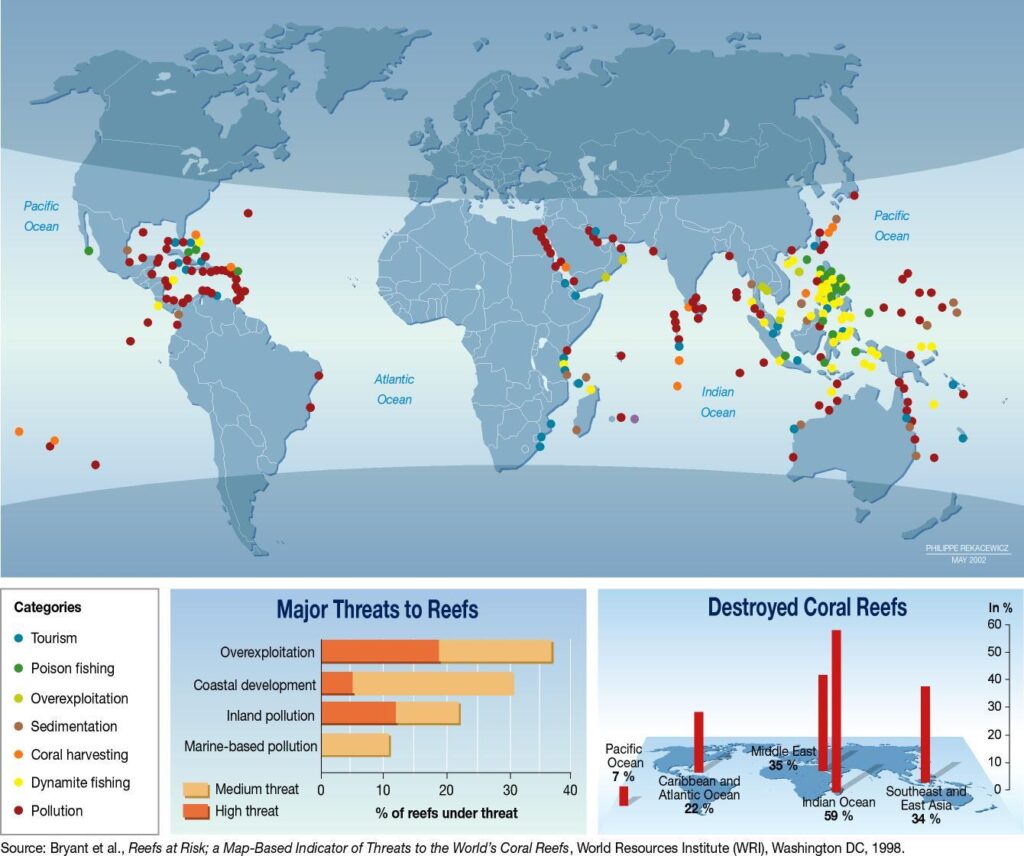
As a vital component of the world’s ocean ecosystem, coral barriers are facing an unprecedented crisis. These natural wonders, often referred to as “underwater cities,” are not only breathtakingly beautiful but also home to a vast array of marine life. However, human activities such as climate change, deforestation, and overfishing are taking a devastating toll on these ecosystems.
The Coral Barrier: A Complex Ecosystem
Coral barriers are complex systems composed of coral polyps, algae, and other organisms that work together to create a thriving ecosystem. These structures provide habitat for countless species of fish, invertebrates, and microorganisms, making them one of the most biodiverse environments on the planet.
The Causes of Coral Barrier Decline
A recent study conducted by researchers Katie Cramer and Jeremy Jackson highlights the primary causes of coral barrier decline. The main culprits are:
- Climate Change: Rising temperatures and ocean acidification caused by increased carbon dioxide levels in the atmosphere are taking a toll on coral reefs.
- Deforestation: The destruction of coastal forests, which help to maintain water quality and prevent erosion, is exacerbating the problem.
- Overfishing: Overfishing and destructive fishing practices are depleting key species that feed on algae, allowing it to overgrow and smother the coral.
The Consequences of Coral Barrier Decline
The consequences of coral barrier decline are far-reaching and devastating. Some of the most notable effects include:
- Loss of Biodiversity: The decline of coral barriers is leading to a loss of biodiversity, as species that rely on these ecosystems for survival begin to disappear.
- Economic Impacts: Coral barriers also provide important economic benefits through tourism, fishing, and other industries. As they decline, these industries are also at risk.
- Human Health: Coral barriers play an important role in maintaining water quality, which is essential for human health.
Solutions to Mitigate Coral Barrier Decline
While the situation may seem dire, there are steps that can be taken to mitigate coral barrier decline. Some potential solutions include:
- Reducing Carbon Emissions: Reducing carbon emissions and transitioning to renewable energy sources can help slow the rate of climate change.
- Protecting Coastal Forests: Protecting coastal forests can help maintain water quality and prevent erosion.
- Sustainable Fishing Practices: Implementing sustainable fishing practices, such as catch limits and marine protected areas, can help reduce overfishing.
Conclusion
The decline of coral barriers is a pressing issue that requires immediate attention. By understanding the causes of this decline and taking steps to mitigate it, we can work towards preserving these vital ecosystems for future generations.
Frequently Asked Questions
- What is causing coral barrier decline?: Coral barrier decline is primarily caused by climate change, deforestation, and overfishing.
- How can I help reduce carbon emissions?: Reducing carbon emissions can be achieved through a variety of means, including transitioning to renewable energy sources, increasing energy efficiency, and reducing meat consumption.
- What are some sustainable fishing practices that can help reduce overfishing?: Some sustainable fishing practices include implementing catch limits, establishing marine protected areas, and using eco-labeling schemes to promote responsible fishing practices.
- How can I support coral barrier conservation efforts?: There are many ways to support coral barrier conservation efforts, including donating to reputable organizations, participating in beach cleanups, and spreading awareness about the importance of preserving these ecosystems.
Case Studies: Coral Barrier Conservation Efforts
- The Great Barrier Reef Restoration Project: This project aims to restore damaged coral reefs on the Great Barrier Reef by promoting coral growth, reducing pollution, and implementing sustainable fishing practices.
- The Caribbean Reef Conservation Program: This program works to protect coral reefs in the Caribbean by establishing marine protected areas, promoting sustainable fishing practices, and educating local communities about the importance of reef conservation.
Conclusion
Coral barriers are vital ecosystems that provide important ecological, economic, and social benefits. However, they are facing an unprecedented crisis due to climate change, deforestation, and overfishing. By understanding the causes of this decline and taking steps to mitigate it, we can work towards preserving these natural wonders for future generations.
References
- Cramer, K., & Jackson, J. (2020). The decline of coral barriers: A review of the causes and consequences. Marine Pollution Bulletin, 156, 111243.
- National Oceanic and Atmospheric Administration (NOAA) (2022). Coral Reefs and Climate Change.
- World Wildlife Fund (WWF) (2022). Coral Reefs and Human Well-being.
Glossary
- Coral Polyps: Small animals that secrete a hard, calcium carbonate exoskeleton that forms the framework of coral reefs.
- Algae: Simple, non-flowering plants that form the base of many food webs in marine ecosystems.
- Marine Protected Areas (MPAs): Areas designated to protect marine ecosystems from human impacts such as fishing, pollution, and coastal development.
Additional Resources
- National Oceanic and Atmospheric Administration (NOAA) (2022). Coral Reefs and Climate Change.
- World Wildlife Fund (WWF) (2022). Coral Reefs and Human Well-being.
- The Nature Conservancy (2022). Protecting Coral Reefs.


