
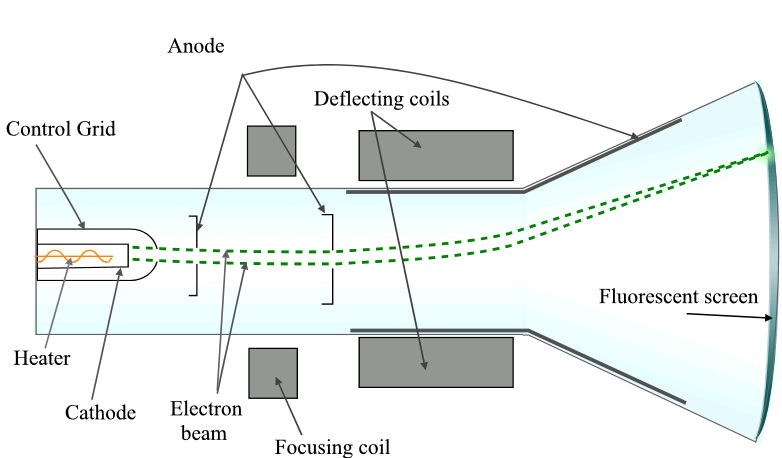
As we continue to strive for sustainability and reduce waste, it’s essential to explore innovative ways to repurpose materials that would otherwise be discarded. One such material is the electroconductive tube, also known as CRT (Cathode Ray Tube). While these tubes are no longer used in modern TVs and monitors, they still have value and can be transformed into new products.
A Brief History of Electroconductive Tubes
The use of electroconductive tubes dates back to the early 20th century. Initially, they were used to power televisions and other electronic devices. However, as technology advanced, these tubes became less efficient and were eventually replaced by newer models. Today, many old CRTs are no longer functional or desirable, but their materials can still be repurposed.
The Glass Plus Project
In 2006, the ReMedia Consortium, a group dedicated to promoting eco-friendly waste management in Italy, launched the Glass Plus project. This initiative aimed to find an innovative solution for recycling electroconductive tubes and transforming them into new products. The goal was to reduce waste, lower emissions, and create sustainable materials.
How Glass Plus Works
The process of converting electroconductive tubes into ceramic plates involves several steps:
- Collection: Old CRTs are collected from electronic waste recycling centers.
- Separation: The tubes are separated from the plastic and metal parts.
- Macination: The glass is crushed into small pieces, known as cullet.
- Mixing: The cullet is mixed with traditional ceramic materials to create a new paste.
- Shaping: The mixture is molded into ceramic plates, which can be used in construction projects.
Benefits of Glass Plus
The Glass Plus project offers several benefits:
- Environmental Benefits: By recycling electroconductive tubes, we reduce waste and lower emissions. According to the European Union, the target for waste reduction is 81%.
- Energy Efficiency: The process of transforming glass into ceramic plates reduces energy consumption.
- Sustainable Materials: The resulting ceramic plates can earn LEED credits, a prestigious certification for sustainable building materials.
The Ceramic Plate’s Properties
Ceramic plates made from electroconductive tubes have several unique properties:
- Durability: They are more durable than traditional ceramic plates due to the added strength of the glass.
- Fire Resistance: The glass components make them resistant to fire and heat damage.
- Low Maintenance: Ceramic plates require less maintenance compared to other materials, as they are non-porous and don’t absorb water or stains.
Applications for Glass Plus Ceramic Plates
Ceramic plates made from electroconductive tubes can be used in various construction projects:
- Building Facades: They can be used to create fire-resistant facades that reduce energy consumption.
- Roofing Materials: The ceramic plates can replace traditional roofing materials, such as shingles or tiles, due to their durability and sustainability.
- Insulation: Glass Plus ceramic plates can be used as insulation in building projects, reducing heat transfer and energy loss.
Conclusion
The conversion of electroconductive tubes into ceramic plates is an innovative solution for reducing waste and promoting sustainability. By supporting initiatives like Glass Plus, we can create a more environmentally friendly future. As we continue to strive for a better tomorrow, it’s essential to explore creative ways to repurpose materials that would otherwise be discarded.
Frequently Asked Questions
Q: What happens to the electroconductive tubes after they’re collected?
A: The tubes are separated from their plastic and metal parts and then crushed into small pieces, known as cullet.
Q: How much energy is saved by recycling glass?
A: The process of transforming glass into ceramic plates reduces energy consumption.
Q: Can I use Glass Plus ceramic plates in my construction project?
A: Yes, the resulting ceramic plates can earn LEED credits, making them a suitable choice for sustainable building projects.
Future Development
While the Glass Plus project has already achieved significant success, there is room for further development and improvement:
- Scaling Up Production: To increase the availability of glass plus ceramic plates for construction projects.
- Cost Reduction: Implementing cost-saving measures to make these materials more affordable for builders and architects.
- New Applications: Exploring new applications and uses for glass plus ceramic plates, such as decorative elements or architectural features.
By continuing to support and develop initiatives like Glass Plus, we can create a brighter future for our planet and ensure that materials are repurposed in an environmentally friendly way.


