
When it comes to television, a compelling narrative is often driven by its villains. “The Boys,” an Amazon Prime series based on the comic book of the same name, has captivated audiences with its dark, satirical take on superheroes and the larger-than-life characters that populate this universe. The show has brilliantly crafted some truly iconic villains, each with a unique backstory that reflects the complexities of humanity. In this article, we delve into the origins of these villains, examining what makes them so memorable and how they have redefined the superhero genre.
Who Are The Boys?
Before diving into the origins of the villains, it’s essential to understand the premise of “The Boys.” The series is set in a world where superheroes, known as “Supes,” are glorified by the media and controlled by the corporate giant Vought International. Beneath the surface, however, the Supes are often corrupt, abusive, and egotistical, leading to a group of vigilantes known as “The Boys” being formed to take them down. This juxtaposition of heroes and villains blurs the lines of good and evil, creating a rich tapestry of complex characters.
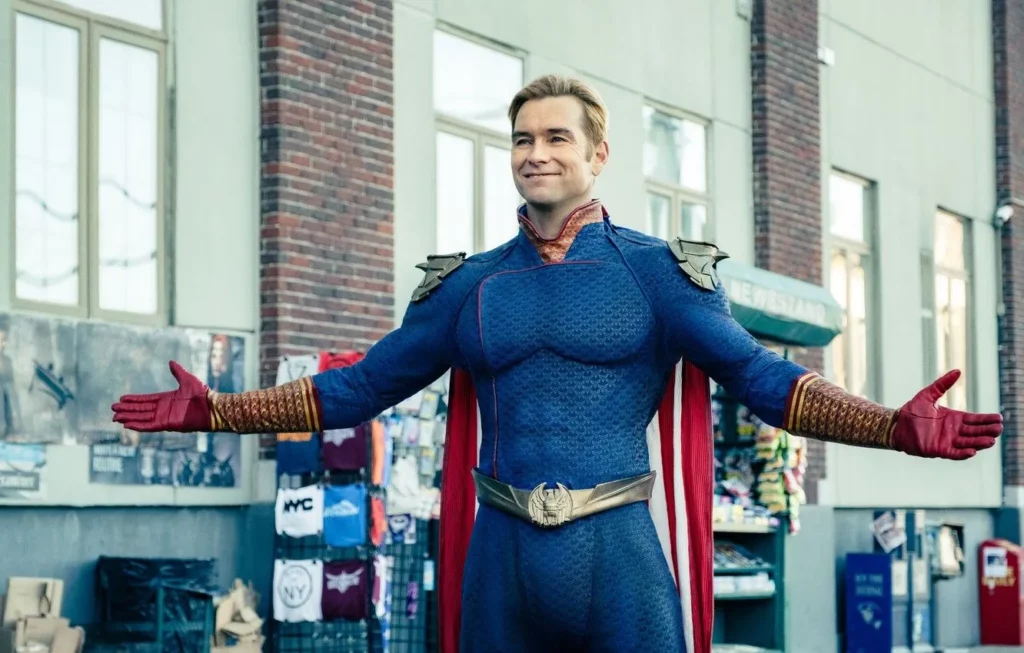
The Homelander: America’s Flawed Idol
Arguably the most iconic villain of “The Boys” is Homelander, played hauntingly by Antony Starr. As the leader of The Seven, Homelander embodies the quintessential all-American hero. With his chiseled physique, striking blue eyes, and a smile that can win over any crowd, he is designed to be a paragon of virtue. However, the reality is far more sinister. Homelander is a deeply flawed character whose origins are drenched in experimentation and manipulation.
Origins and Upbringing
Homelander was created in a lab as part of Vought’s secretive Compound V project, where children were genetically engineered to become superheroes. Raised in isolation, he never experienced real human connection, leading to his profound emotional detachment. His backstory reveals the horrifying lengths that Vought goes to in their pursuit of the perfect hero, and in many ways, Homelander’s identity is a critique of the American dream—one built on superficiality and a lack of moral grounding.
What Makes Him Iconic
Homelander’s character symbolizes the dark side of idolization. He represents how society can deify figures without understanding their underlying issues. His lack of empathy, coupled with his immense power, creates a terrifying villain who challenges viewers to reconsider the ramifications of absolute power. Homelander’s journey reminds us that the façade of perfection often conceals deeper contradictions.
The Deep: A Fish Out of Water
Not all villains in “The Boys” are as domineering as Homelander; The Deep, played by Chace Crawford, serves as a commentary on the fragility of heroism. Initially depicted as a member of The Seven with the ability to communicate with marine life, The Deep quickly becomes a parody of the classic “brooding hero.”
Downfall and Redemption
The Deep’s story arc is one of downfall rather than villainy. After a series of poor decisions, he faces a scandal that leads to his swift removal from The Seven. His struggles to redefine himself and seek redemption reveal the often-overlooked intricacies of villainy—a reminder that even those who falter can seek to reclaim their sense of worth.
The Exploration of Identity
The Deep’s narrative provides a platform for discussions about identity and perception. He grapples with self-acceptance in a world that has or dictates what a “hero” should be. This exploration creates room for empathy, reminding viewers that not every villain is inherently evil; some are simply flawed individuals trying to find their place.
Stormfront: The Face of Modern Extremism
Introducing Stormfront in Season 2, portrayed by Aya Cash, was a bold move that resonated with contemporary issues surrounding extremism and social media. A former activist, Stormfront initially comes off as a fresh voice in the superhero community, offering a cutting critique of established norms.
The Duality of Stormfront
As her character develops, we learn that Stormfront harbors deeply rooted racist and misogynistic views, showcasing the duality of personas that exists in many public figures today. Her personality draws on the seductive allure of radicalism, making her an especially dangerous foe. The show cleverly mirrors societal tensions, forcing viewers to confront uncomfortable realities about popularity, influence, and extremism.
[amazon box=”B08XLLF3PG”]
The Implications of Power
Stormfront represents the consequences of unchecked power and the ease with which someone can gain a following. Her character underscores the chilling reality of how misinformation spreads and is weaponized in the digital age. “The Boys” effectively uses her character to spark critical conversations about the nature of heroism and the societal implications of idolizing flawed figures.
Black Noir: The Silent Enforcer
Black Noir is another fascinating villain in “The Boys,” created to be the ultimate assassin and enforcer for The Seven. His character is portrayed as a silent, deadly force, with a mysterious backstory that leaves viewers intrigued.
The Enigma Unraveled
While much about Black Noir remains a mystery, little hints throughout the series reveal he was raised in a brutal training facility, designed solely to create a powerful weapon. This backstory raises questions about agency and identity; like Homelander, Black Noir is a product of his environment, highlighting a common theme in “The Boys” where characters are shaped by their upbringing and circumstances rather than inherent evil.
Why the Silence Speaks Volumes
Black Noir’s silence speaks volumes, contrasting sharply with the vocal bravado of other villains. This minimalistic approach adds an element of suspense and unpredictability to his character, making him a unique threat. His origins signify that sometimes, the most dangerous villains are those who lurk in the shadows—an idea that resonates strongly with audiences.
Maeve: The Tragic Anti-Hero
Another complex character is Queen Maeve, portrayed by Dominique McElligott. Initially introduced as a fierce warrior in The Seven, Maeve’s story exposes the inherent contradictions of superhero life and societal expectations.
The Burden of Heroism
Maeve struggles with the expectations placed on her as a female superhero. While she appears powerful, her past reveals trauma and personal sacrifices made for the sake of her image. The show effectively portrays her as an anti-hero fighting against the system that created her.
The Quest for Authenticity
Maeve’s journey is one of seeking authenticity amid a world that values perception over reality. Her character evolution prompts reflections on what it means to be a “hero,” ultimately leading her toward a path of resistance against the very institution that has exploited her. In this light, Maeve becomes a symbol of resilience, revealing that true heroism often lies in the struggle for authenticity.
Conclusion: The Complexity of Villainy
“The Boys” presents a radical rethinking of villains in the superhero genre. From the layered character of Homelander to the social commentary embodied by Stormfront, each antagonist offers a unique perspective on the nature of power, fame, and the psychological burdens of being a hero.
By deftly weaving complex origins and motivations into its narrative, “The Boys” challenges traditional notions of villainy, painting a more nuanced picture that reflects the messy reality of human nature. These characters serve as reminders that no one is purely good or evil; rather, we are all products of our circumstances, shaped by the choices we make and the battles we fight.
As viewers, we are invited to reflect on our own perceptions of right and wrong, leading to deeper conversations about the implications of power structures in our society. In a world where superheroes often dominate our screens and narratives, “The Boys” stands out by grounding its villains in the realities of human experience, leaving lasting impressions that resonate far beyond the confines of the screen.
So, the next time you watch “The Boys,” take a moment to examine the layers of each character. Dive into their complexities, and remember that every villain has a story—one that is often just as compelling as that of the heroes they battle.


