
Introduction
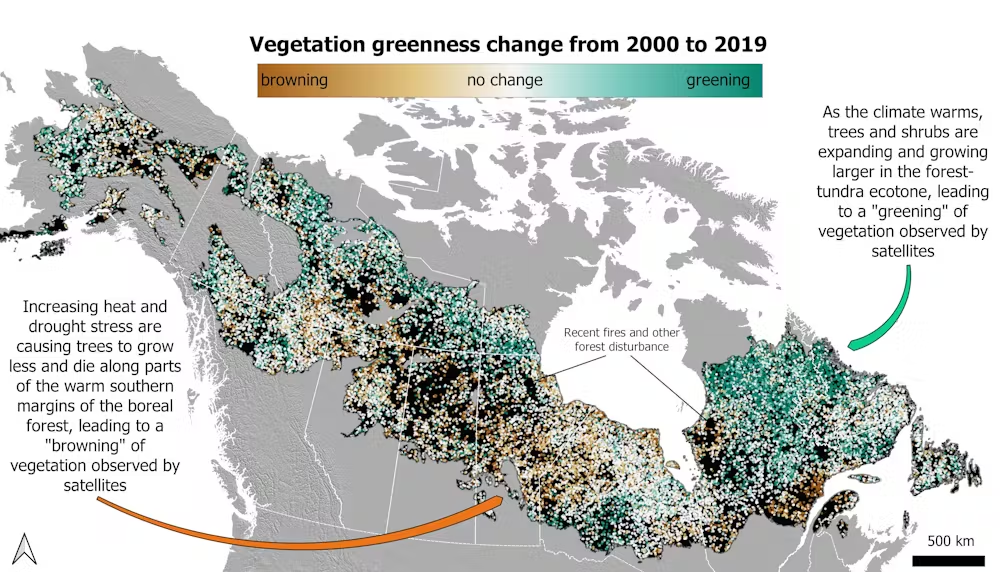
The forest boreale, a vast and ancient ecosystem covering nearly 30% of the Earth’s land surface, is facing an unprecedented crisis due to climate change. Rising temperatures, changing precipitation patterns, and increased frequency of extreme weather events are altering the delicate balance of this vital biome. As we delve into the world of the forest boreale, it becomes clear that the consequences of inaction will be catastrophic.
What are Forest Boreals and Where Do They Exist?
Forest boreals, also known as taigas, are found in the cold climates of high-latitude regions, primarily in North America, Europe, and Asia. These forests are characterized by tree species adapted to harsh conditions, such as pine, spruce, and fir. The forest boreal is not only a vital carbon sink but also provides habitat for countless plant and animal species.
The forest boreal can be divided into several sub-boreal regions, including:
- The Boreal Forest of North America, which covers parts of Canada and Alaska
- The Taiga of Russia and Eastern Europe
- The Siberian Taiga, which spans across northern Russia and parts of Mongolia
These forests are typically found at high latitudes, where the growing season is short and temperatures are cold. However, climate change is altering this delicate balance, with warming temperatures and changing precipitation patterns affecting tree species composition and forest health.
The Impacts of Climate Change on the Forest Boreale
Climate change is causing the forest boreale to shift at an unprecedented rate. The rapid warming of this region has triggered a cascade of effects, including:
- Increased frequency of wildfires: As temperatures rise, forests become more susceptible to fires, which can be devastating for tree species and ecosystems.
- Droughts: Climate change is altering precipitation patterns, leading to increased droughts in some regions, which can stress trees and reduce forest productivity.
- Heatwaves: Rising temperatures are also causing heatwaves, which can damage tree growth and increase the risk of mortality.
These changes are not only altering the composition of tree species but also threatening the very existence of these forests. Some of the most significant impacts include:
- Changes in tree species composition: As some tree species become more vulnerable to climate change, others may thrive in the warmer conditions.
- Reduced forest productivity: Climate change can reduce forest productivity, as trees struggle to adapt to changing environmental conditions.
- Loss of biodiversity: The shifting forest boreale could lead to a loss of biodiversity, as some plant and animal species are unable to adapt to changing conditions.
The IPCC Report: A Warning Sign
The Intergovernmental Panel on Climate Change (IPCC) has issued a stark warning regarding the impact of climate change on the forest boreale. According to the report, “the increased mortality of trees would lead to the creation of vast areas of bare land and prairie, which in turn would increase regional warming and fire frequency, leading to a powerful feedback loop.”
The IPCC report highlights the urgent need for action to reduce greenhouse gas emissions and protect these vital ecosystems.
The Shift Towards Tundra and Grasslands
Research suggests that the forest boreal is shifting towards tundra and grassland ecosystems at an alarming rate. A study on Alaska found that the transition from coniferous forests to deciduous forests has begun in the 1990s and will continue for decades to come.
This shift is driven by climate change, which is altering the delicate balance of tree species composition and forest health. As temperatures rise, some tree species are unable to adapt, leading to a reduction in forest productivity and an increase in bare land areas.
Consequences of Inaction
The consequences of inaction will be severe, with far-reaching impacts on global climate regulation. The loss of forest carbon sinks will accelerate climate change, leading to more frequent and intense natural disasters. As the Arctic warms at a faster rate than other regions, the consequences for ecosystems, biodiversity, and human societies will be devastating.
Some of the potential consequences of inaction include:
- More frequent wildfires: As temperatures rise, forests become more susceptible to fires, which can be devastating for tree species and ecosystems.
- Increased droughts: Climate change is altering precipitation patterns, leading to increased droughts in some regions, which can stress trees and reduce forest productivity.
- Reduced biodiversity: The shifting forest boreale could lead to a loss of biodiversity, as some plant and animal species are unable to adapt to changing conditions.
Conclusion
The shifting forest boreale is a warning sign that we cannot afford to ignore. Climate change is not only altering the composition of tree species but also threatening the very existence of these vital ecosystems. It is imperative that we take immediate action to reduce greenhouse gas emissions and protect this precious resource for future generations.
Recommendations for Action
To mitigate the impacts of climate change on the forest boreale, we need to take immediate action. Some recommendations include:
- Reducing greenhouse gas emissions: We need to reduce our carbon footprint by transitioning to renewable energy sources, increasing energy efficiency, and implementing policies that promote sustainable land use practices.
- Reforestation efforts: We should invest in reforestation efforts, which can help restore degraded forests and promote forest regrowth.
- Conservation strategies: We need to implement conservation strategies to protect vital ecosystems, such as protected areas, wildlife corridors, and sustainable forest management practices.
Frequently Asked Questions
- What is the current state of the forest boreale?
The forest boreale is shifting at an unprecedented rate due to climate change, with widespread impacts on tree species composition, forest health, and ecosystem function. - How will climate change affect the forest boreale in the coming decades?
Climate change will lead to increased frequency of wildfires, droughts, heatwaves, and changes in tree species composition, ultimately threatening the very existence of these forests. - What are the implications for global climate regulation?
The loss of forest carbon sinks will accelerate climate change, leading to more frequent and intense natural disasters, which in turn will amplify the impacts of climate change on ecosystems, biodiversity, and human societies. - Can we reverse the effects of climate change on the forest boreale?
While it is possible to mitigate some of the effects, reversing the shift towards tundra and grassland ecosystems may be too late to save these vital ecosystems. -
What can we do to protect the forest boreale?
Reducing greenhouse gas emissions through sustainable land use practices, reforestation efforts, conservation strategies, and protecting protected areas are crucial for protecting this precious resource. -
How will climate change affect Arctic biodiversity?
Climate change is likely to have devastating impacts on Arctic ecosystems, including changes in sea ice coverage, temperature increases, and altered precipitation patterns. - What role do forest fires play in the forest boreale ecosystem?
Forest fires are a natural part of the forest boreale ecosystem, but climate change is increasing the frequency and severity of these events, threatening the delicate balance of tree species composition. - Can we learn from other ecosystems to develop strategies for mitigating climate change impacts on the forest boreale?
Yes, studying other ecosystems can provide valuable insights into how to protect and restore degraded or threatened forests, and how to adapt to changing environmental conditions.


