
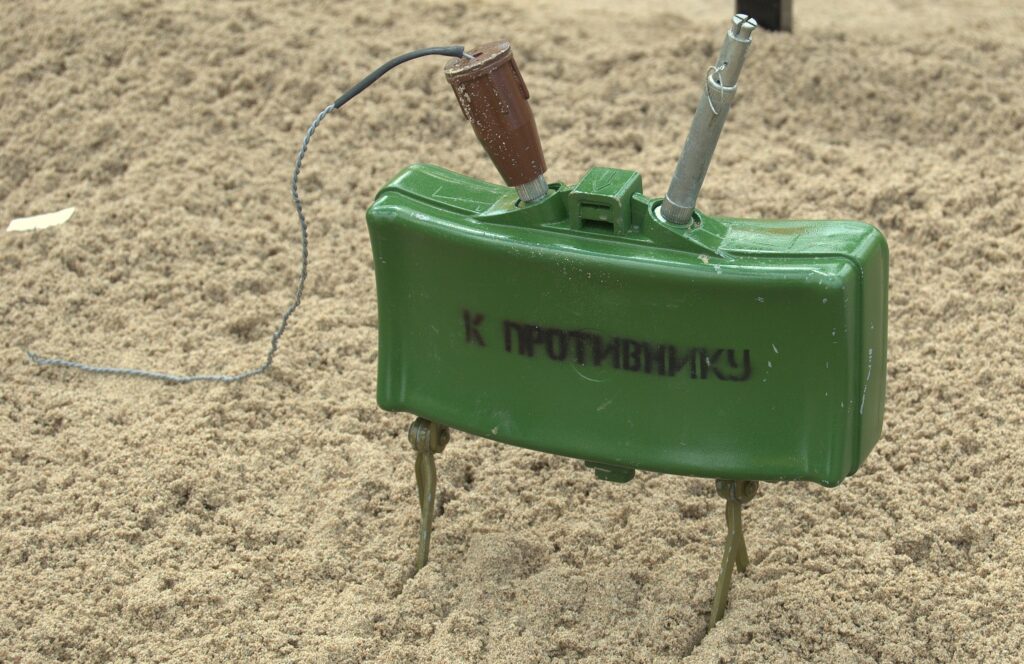
When we think of “mine fields,” our minds often take us back to the classic game of Windows OS, “Prayer for the Dead.” However, for millions of people, landmines are a constant threat. The devastating consequences of these deadly devices are evident: over 20,000 fatalities per year.
Landmines are particularly prevalent in the Middle East region. Governments must track where these fields have been established, but many have been abandoned, forgotten, or inadequately controlled. The result is a trail of devastation, with vast areas of land characterized by mines buried just beneath the first layer of soil. These zones make entire populations live in fear, taking lives and imprisoning many: many people are too terrified to leave their small, protected areas.
The Devastating Reality
The Afghan designer Massoud Hassani was tired of being held hostage by landmines. He found a cost-effective solution to secure mine fields by inventing the “Mine Kafon,” a large, biodegradable “roller-camper” that can detect and disarm mines without causing any harm.
On Hassani’s website, it is written that children often play with wind-blown objects, which may accidentally fall into mine fields. At this point, the child must give up their game, risking death. As an adult, Massoud Hassani often wondered if the wind could help him detect mines and detonate them without harming anyone. This led to the creation of the “Mine Kafon,” officially known as a device.
The Innovative Solution
Comprising bamboo canes, the Mine Kafon has a spherical shape and is lightweight enough to be blown by the wind. External plastic discs are attached to the device, while a GPS at its center allows it to distinguish safe areas from high-risk zones. The discs on Hassani’s device could potentially trigger the explosion of a mine, but this would not pose an environmental problem: the materials used to build the Mine Kafon do not harm the environment, and the GPS transmits the location of the field, allowing it to be cleared.
The use of bamboo in the construction of the Mine Kafon is particularly noteworthy. Bamboo is a highly renewable resource that can grow back quickly after harvesting. By using this sustainable material, Hassani has reduced the environmental impact of the device, making it an attractive solution for communities affected by landmines.
A New Approach
The invention of the Mine Kafon marks a new approach to dealing with landmines. By leveraging wind power and biodegradable materials, Hassani has created a device that can potentially disarm mines without causing harm to people or the environment. This innovative solution offers hope for those affected by landmines and highlights the potential for technology to make a positive impact in areas previously plagued by conflict.
The use of wind power to detect and clear mines is particularly promising. Wind patterns are often used to detect landmines, as they can indicate the presence of buried explosives. By harnessing this natural phenomenon, the Mine Kafon can potentially identify high-risk zones and detonate mines safely.
The Impact on Affected Communities
The Mine Kafon has the potential to transform lives for millions of people living in communities affected by landmines. By providing a safe and reliable way to detect and clear mines, this device can help restore hope and freedom to those who have been trapped by these deadly devices. As we move forward, it is essential that we continue to develop innovative solutions like the Mine Kafon to address the ongoing threat of landmines.
The impact of the Mine Kafon on affected communities cannot be overstated. By reducing the risk of mine-related injuries and fatalities, this device can help alleviate the psychological trauma caused by living in a mine field. The Mine Kafon also has the potential to facilitate economic development in affected areas, as cleared land can be used for agriculture, infrastructure projects, or other activities.
The Future of Landmine Clearance
As technology continues to advance, we may see even more effective solutions emerge for clearing landmines. The development of autonomous systems, drones, and other technologies could potentially enhance our ability to detect and remove mines from affected areas. While these innovations hold promise, it is essential that we also prioritize the needs of those directly impacted by landmines.
The use of autonomous systems in landmine clearance is a particularly exciting area of research. Autonomous vehicles can be programmed to navigate mine fields with ease, reducing the risk of human casualties and improving efficiency. However, there are several challenges associated with using autonomous systems in this context, including ensuring the safety of both the vehicle and its operators.
The Role of International Cooperation
International cooperation is essential for effective landmine clearance efforts. Governments, NGOs, and local communities must work together to develop and implement solutions like the Mine Kafon. By sharing knowledge, resources, and expertise, we can accelerate progress in clearing landmines and restoring hope to affected populations.
The use of international standards and protocols for landmine clearance is also critical. Standardized procedures and guidelines can help ensure that mines are cleared safely and effectively, reducing the risk of human casualties and environmental damage.
Conclusion
The Mine Kafon represents a significant breakthrough in the fight against landmines. By leveraging wind power and biodegradable materials, Hassani has created a device that can potentially disarm mines without causing harm to people or the environment. As we move forward, it is essential that we continue to develop innovative solutions like the Mine Kafon and prioritize the needs of those affected by these deadly devices.
The future of landmine clearance is uncertain, but one thing is clear: technology will play a critical role in addressing this ongoing threat. By combining technological innovation with international cooperation and a commitment to community engagement, we can create safer, more sustainable solutions for communities affected by landmines.
Frequently Asked Questions
-
What inspired Massoud Hassani to create the Mine Kafon?
Massoud Hassani was tired of being held hostage by landmines. He wondered if wind power could help him detect mines and detonate them without harming anyone, leading to the creation of the “Mine Kafon.” -
How does the Mine Kafon work?
The device consists of bamboo canes with a spherical shape and is lightweight enough to be blown by the wind. External plastic discs are attached to the device, while a GPS at its center allows it to distinguish safe areas from high-risk zones. -
What materials are used in the construction of the Mine Kafon?
The Mine Kafon is made of biodegradable materials that do not harm the environment and can potentially disarm mines without causing any harm. -
How can the Mine Kafon be used to help affected communities?
The device has the potential to transform lives for millions of people living in communities affected by landmines by providing a safe and reliable way to detect and clear mines, restoring hope and freedom to those who have been trapped by these deadly devices. -
What is the future of landmine clearance looking like?
While technology continues to advance, we may see even more effective solutions emerge for clearing landmines, such as autonomous systems, drones, and other technologies that can enhance our ability to detect and remove mines from affected areas.


