
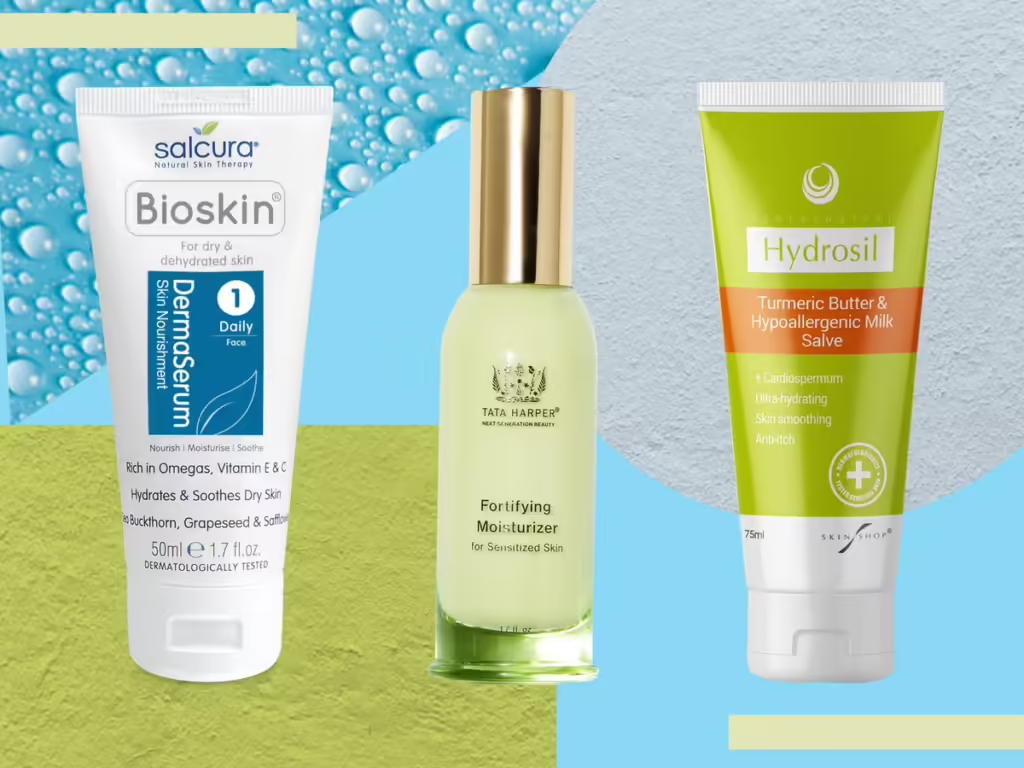
As we navigate the world of natural and organic products, it’s essential to understand the importance of selecting a face cream that suits our skin type. With so many options available, it can be overwhelming to choose the right one. In this article, we’ll explore the best natural face creams for various skin types, as well as provide guidance on how to select the perfect one for your needs.
Understanding Your Skin Type
Before diving into the world of natural face creams, it’s crucial to understand your skin type. Each skin type has unique characteristics that require specific care and attention. The four main skin types are:
- Normal skin: balanced, neither too oily nor too dry
- Dry skin: lacks moisture, tends to feel tight and flaky
- Oily skin: excessive oil production, can lead to acne and blackheads
- Sensitive skin: reacts easily to products, can be prone to redness and irritation
The Benefits of Natural Face Creams
Natural face creams offer numerous benefits over traditional chemical-based products. These include:
- Gentle ingredients: fewer harsh chemicals and artificial fragrances
- Improved hydration: natural moisturizers help retain moisture
- Enhanced skin tone: even skin texture and a radiant complexion
Choosing the Right Natural Face Cream
When selecting a natural face cream, consider the following factors:
- Ingredients: opt for products with high-quality, organic ingredients that suit your skin type.
- pH level: ensure the product has a pH level close to the skin’s natural pH (around 5.5)
- Preservatives: choose products with natural preservatives or those that use minimal amounts
Top Natural Face Creams for Various Skin Types
Here are some top-rated natural face creams for specific skin types:
- Dry skin: Look for rich, hydrating creams containing ingredients like shea butter, coconut oil, and honey.
- Oily skin: Opt for lightweight, oil-free products with salicylic acid or tea tree oil to control sebum production.
- Sensitive skin: Select gentle, fragrance-free products containing soothing ingredients like aloe vera or chamomile.
Ingredients to Watch Out For
Some natural face cream ingredients can be beneficial, while others may cause issues:
- Parabens: linked to hormonal imbalances and skin irritation
- Sulfates: can strip the skin of its natural oils, leading to dryness and irritation
- Synthetic fragrances: can trigger allergies and sensitivities
Natural Face Creams for Specific Skin Concerns
- Acne-prone skin: Look for products containing salicylic acid, tea tree oil, or sulfur.
- Hyper-pigmentation: Opt for products with vitamin C or niacinamide, which can help brighten the skin.
- Fine lines and wrinkles: Choose products rich in antioxidants like retinol or peptides.
Final Tips
- Always read reviews and do your research before making a purchase
- Be patient and give your skin time to adjust to new products
- Keep an eye on ingredient lists and certifications for natural face creams
Natural Face Creams for Specific Skin Concerns: A More In-Depth Look
In addition to choosing a natural face cream that suits your overall skin type, consider the following specific concerns:
- Anti-aging: Opt for products containing retinol, peptides, or vitamin C, which can help reduce fine lines and wrinkles.
- Brightening: Choose products with niacinamide, vitamin C, or licorice extract, which can help even out skin tone and brighten the complexion.
- Hydration: Look for products containing hyaluronic acid, glycerin, or ceramides, which can help lock in moisture and soothe dry skin.
Certifications to Watch Out For
When selecting a natural face cream, look for certifications from reputable organizations that ensure the product meets certain standards:
- USDA Organic: indicates that the product is made with at least 95% organic ingredients.
- EWG Verified: ensures that the product meets the Environmental Working Group’s standards for safety and sustainability.
- Natural Products Association (NPA): certifies products that meet certain standards for natural ingredients and sustainable practices.
Conclusion
Choosing the right natural face cream can be overwhelming, but by understanding your skin type and considering key factors like ingredients and pH level, you can make an informed decision. Remember to always read reviews and look for certifications from reputable organizations to ensure you’re getting a high-quality product.
Frequently Asked Questions (FAQs)
- What is the difference between natural and organic face creams?
Natural face creams use fewer harsh chemicals, while organic face creams are made with certified organic ingredients. - How often should I apply a natural face cream?
Apply a natural face cream as needed, depending on your skin type and environment. - Can I mix different natural face creams?
Mixing different face creams can be done, but it’s essential to choose products that complement each other.
Final Thoughts
In conclusion, choosing the right natural face cream is an important step in maintaining healthy, glowing skin. By understanding your skin type and considering key factors like ingredients and pH level, you can make an informed decision. Remember to always read reviews and look for certifications from reputable organizations to ensure you’re getting a high-quality product.


