
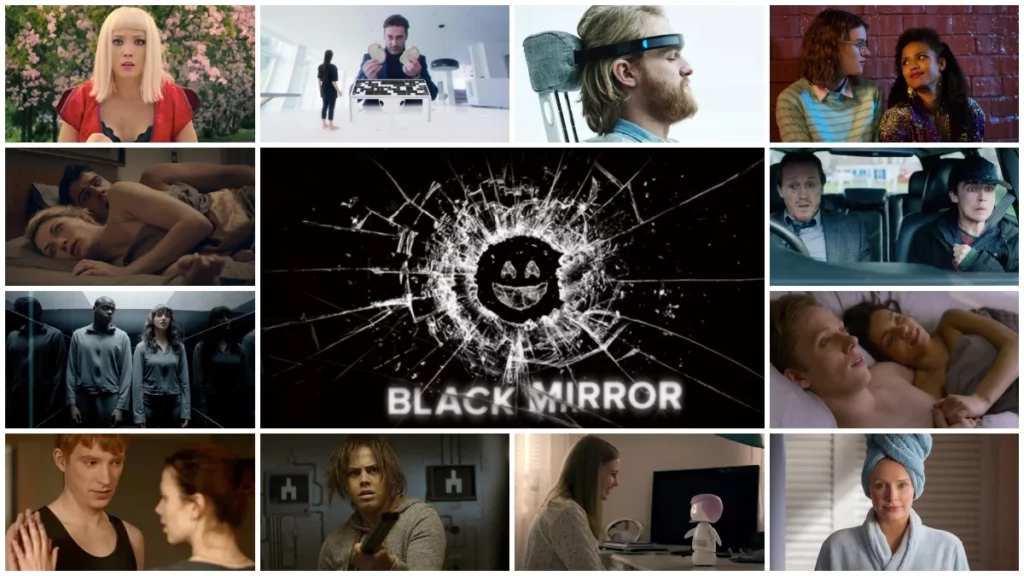
Black Mirror, the renowned anthology series created by Charlie Brooker, has captivated audiences since it first premiered on British television in 2011. Each episode presents a standalone narrative, often set in dystopian futures driven by technology and societal issues. The series has garnered a massive fanbase and critical acclaim for its innovative storytelling and thought-provoking themes. In this article, we’ll dive into the best Black Mirror episodes, exploring their underlying messages and ranking them based on their impact and relevance. Whether you’re a long-time fan or a newcomer to the series, this guide will help you explore the episodes that truly challenge our perceptions of the world.
1. “San Junipero” – A Heartfelt Exploration of Love and Mortality
“San Junipero” is frequently heralded as one of the show’s best episodes. Set in a vibrant 1980s theme park, it follows the romantic relationship between Yorkie and Kelly, two women who find love in a seemingly utopian digital afterlife. This episode stands out for its emotional depth, exploring themes of love, loss, and the ethics of immortality.
At its core, “San Junipero” challenges the audience to consider what it means to live forever. Is a digital afterlife a blessing or a curse? Through Yorkie and Kelly’s journey, we also witness the struggles of coming to terms with one’s identity, as both characters face painful truths about their pasts. The episode’s poignant conclusion leaves viewers reflecting on the nature of love and the choices we make in life.
2. “Nosedive” – The Perils of Social Media Validation
“Nosedive” takes us into a world obsessed with social media ratings, where individuals are judged by their online personas. The protagonist, Lacie, desperately strives to improve her social standing, leading her down a treacherous path as she navigates a society that places value on likes and shares rather than genuine connections.
This episode serves as a sharp critique of our own social media habits, raising questions about authenticity and the price of validation. As Lacie’s journey spirals into chaos, viewers are invited to reflect on their dependence on social media and the facade it often creates. “Nosedive” is a strong commentary on contemporary society and the psychological impact of online relationships, making it one of the standout episodes of the series.
3. “White Christmas” – A Gripping Tale of Isolation and Consequences
“White Christmas” is a feature-length episode that intertwines several storylines centered around a man named Matt whose life has taken dark turns with each decision he made. Set in a remote cabin, the narrative unfolds through flashbacks, revealing secrets, regrets, and the consequences of technological advancements that enable the blocking of individuals in real life – a chilling concept that speaks to the challenges of modern relationships.
This episode excels not only in its storytelling but also in how it illustrates the isolation felt in a hyper-connected world. As the characters grapple with their realities and the moral implications of their actions, viewers are left questioning the nature of punishment and redemption. “White Christmas” is a haunting exploration of the choices we make and their unexpected ramifications.
4. “Fifteen Million Merits” – The Dystopian Reality of Entertainment Culture
In “Fifteen Million Merits,” we enter a world where individuals earn merits by cycling on exercise bikes while being bombarded by advertisements and reality TV. The protagonist, Bing, tries to navigate this oppressive environment and ultimately rebels against the status quo, hoping to make a change.
This episode critically examines the entertainment industry and its exploitative nature. It highlights how society often sacrifices authenticity for spectacle, painting a grim picture of a future where dreams can be commodified. “Fifteen Million Merits” serves as a cautionary tale about the power of media, showcasing the lengths to which individuals will go for fame and acceptance.
5. “The Entire History of You” – The Dangers of Obsession
“The Entire History of You” explores the implications of a technology that allows individuals to replay and relive their memories. The protagonist, Liam, becomes increasingly obsessed with past events in his life, particularly regarding his wife’s past interactions, leading to devastating consequences.
This episode raises profound questions about memory and relationships, probing the dangers of living in the past and the impact of technology on our emotional well-being. It serves as a commentary on how excessive scrutiny can damage our interpersonal connections and ultimately lead to destructive behavior. Its chilling conclusion leaves viewers contemplating the nature of trust and intimacy in the digital age.
6. “Hated in the Nation” – A Dark Reflection of Internet Mob Mentality
In “Hated in the Nation,” the storyline intertwines elements of murder mystery with a nuanced critique of social justice movements online. When a journalist is targeted by a mob, the resulting chaos forces us to consider the ramifications of online hate and the power of public opinion.
With its thought-provoking narrative, this episode invites viewers to reflect on the discovery of the consequences of our online actions and the dangers of mob mentality. “Hated in the Nation” serves as an unsettling reminder of how quickly perceptions can shift in the digital world, often overshadowing truth and empathy.
[amazon box=”B08XLLF3PG”]
7. “Be Right Back” – A Heart-Wrenching Tale of Grief and Technology
“Be Right Back” tackles the heavy themes of grief and loss through the lens of technology. When the protagonist, Martha, loses her boyfriend in a tragic accident, she turns to a service that uses artificial intelligence to replicate his personality based on online interactions and data.
This episode examines the ethical complexities of using technology to bridge the gap between life and death. Is it possible to truly replace a loved one? As Martha grapples with her decision, viewers are left questioning the implications of using technology to cope with grief. “Be Right Back” is not only a poignant exploration of human emotion but also a compelling critique of how technology can obscure and complicate the concept of authentic connection.
8. “Playtest” – The Unending Fear of Technology
“Playtest” centers around a young man named Cooper who participates in a virtual reality game that becomes increasingly nightmarish. The episode reflects the blurred lines between reality and technology, examining the potential dangers of immersive experiences.
“Playtest” uses suspense to lead viewers down a path of exploration about our technological fantasies and the potential consequences when those fantasies become our reality. It offers a stark warning about the psychological ramifications of technology and the often-ignored fear of losing oneself in virtual spaces.
9. “The Waldo Moment” – A Satirical Take on Politics and Celebrity
“The Waldo Moment” features a cartoon bear who becomes an unlikely political candidate, raising critical questions about the intersection of entertainment and politics. Waldo’s rise to popularity is a satirical commentary on how media personality can overshadow genuine political discourse.
This episode offers a chilling snapshot of modern politics, showcasing how absurdity can permeate serious discussions. The character of Waldo represents a growing trend of celebrity culture infiltrating political arenas, and the resulting implications for democracy and authenticity. “The Waldo Moment” is both hilarious and disconcerting, providing viewers with a timely reflection on political engagement in the social media age.
10. “Shut Up and Dance” – The Manipulative Power of Technology
In “Shut Up and Dance,” a young man finds himself blackmailed after a computer virus takes control of his webcam and records him in a compromising situation. The episode unfolds with relentless tension, as the protagonist is forced to comply with increasingly problematic demands.
The episode hinges on themes of privacy, shame, and the ruthless nature of technology. It delivers a harrowing illustration of how easily one’s life can be upended by technology, reinforcing the message that our online actions can have real-world consequences. “Shut Up and Dance” leaves viewers questioning their digital footprints and the vulnerability that comes with living in an increasingly surveilled society.
Conclusion – A Reflection on Humanity in the Digital Age
Black Mirror’s brilliance lies in its ability to hold a mirror to our society, pushing us to confront uncomfortable truths about our relationship with technology and its impact on our lives. Each episode serves as a standalone piece, but collectively, they form a powerful narrative about the potential pitfalls of technological advancements. From the exploration of love and loss in “San Junipero” to the chilling implications of social media in “Nosedive,” the series encourages critical thought and dialogue about our choices and the society we are crafting.
As we continue to integrate technology into our daily lives, Black Mirror remains a vital lens through which we can examine our future. The show inspires reflection not just on the technologies we embrace but on what it means to be human in an increasingly digital world. Whether you’re revisiting these episodes or discovering them for the first time, take the time to engage with the thought-provoking narratives that Black Mirror offers.
Call to Action
What are your thoughts on the most thought-provoking Black Mirror episodes? Share your favorites or any episodes that left a lasting impact on you in the comments below! And don’t forget to subscribe to our travel blog for more engaging discussions about TV, films, and the narratives that shape our understanding of the world around us.


