
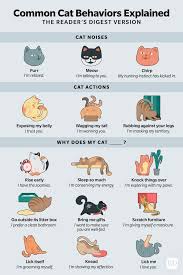
The enigmatic nature of cat behavior has long fascinated cat owners and enthusiasts alike. While it may seem like a game of cat and mouse, understanding feline behavior can reveal a more nuanced and complex personality behind those piercing eyes.
In this article, we’ll delve into the world of cat behavior, exploring the unique characteristics of various breeds and examining the intricacies of their social interactions.
Cat Behavior: A Breed-by-Breed Perspective
While it’s impossible to generalize cat behavior, we can identify some common traits among specific breeds. Let’s start with the elegant Persiano, known for its serene and affectionate nature. This breed is ideal for apartment dwellers, as they are generally quiet and laid-back, content to lounge around without too much fuss.
In contrast, the Norvegese cat is a bundle of energy, requiring plenty of stimulation and playtime to prevent boredom and destructive behavior. These intelligent and playful cats thrive on interaction, making them perfect companions for active families.
The Certosino, with its gentle and affectionate demeanor, is an excellent choice for small living spaces. This breed strikes a balance between presence and absence, allowing owners to enjoy their company without feeling overwhelmed.
On the other hand, the Siamese cat is known for its lively and adventurous spirit. Always ready to pounce on any toy or object, these cats require plenty of exercise and mental stimulation to prevent restlessness and boredom.
Lastly, the European breed is a diverse group, encompassing various characteristics, but generally intelligent and affectionate, making them suitable for both apartment living and larger homes.
Territorial Markings: A Cat’s Possession
Cats are notorious for their possessiveness when it comes to territory. They mark their surroundings with scent glands, warning other cats to stay away from their domain. This behavior can lead to aggressive reactions if their boundaries are violated.
When confined to a small space like an apartment, territorial markings become even more pronounced, as cats seek to protect their limited territory. Owners should be aware of this behavior and provide adequate attention and enrichment to prevent stress and aggression.
Happy Cats: Signs of Contentment
While cat behavior can be puzzling at times, there are clear signs that indicate a happy and contented feline. These include:
- Playful behavior: Engaging in play is an excellent way for cats to release pent-up energy and have fun.
- Affectionate gestures: Cats often display affection through head butting, kneading, or rubbing against their owners.
- Curiosity: Happy cats are naturally curious, exploring their surroundings with interest and enthusiasm.
- Relaxed posture: A contented cat will typically display a relaxed posture, such as stretching or lounging comfortably.
Feline Courtship: The Role of Masculinity
When it comes to feline courtship, the male’s role is often overlooked. However, males play a significant part in attracting females and initiating mating rituals. Males use a variety of tactics, including vocalizations, body language, and even scent marking, to establish dominance and impress potential partners.
In contrast, female cats are generally more discerning, choosing their mates based on factors such as confidence, grooming habits, and overall demeanor. Female cats often initiate interactions with males, dictating the terms of courtship and mating.
The Importance of Socialization
Socialization is a critical aspect of cat behavior, as it shapes a cat’s personality and interactions with other animals and humans. Kittens under six months old are particularly receptive to socialization, making this a crucial period for introducing them to new environments and stimuli.
To promote healthy socialization, owners should:
- Provide a diverse range of experiences, including exposure to different textures, sounds, and smells.
- Introduce cats to other pets gradually, allowing them to become familiar with each other’s scents, sounds, and presence.
- Offer plenty of attention and affection, helping cats develop trust and confidence in their human caregivers.
Conclusion
Understanding cat behavior is a complex task that requires patience, observation, and attention to detail. By recognizing individual breed characteristics, territorial markings, happy signs, and feline courtship rituals, owners can build stronger bonds with their feline companions and provide the best possible care for these unique animals.
By embracing the complexities of feline behavior and providing a nurturing environment, owners can foster deeper relationships with their pets and enjoy the joys of cat companionship. Whether you’re a seasoned cat owner or just starting your journey, understanding cat behavior is an essential step towards creating a harmonious and loving home for both humans and animals alike.
FAQs: Frequently Asked Questions About Cat Behavior
- How do I know if my cat is stressed or anxious?
- Look for changes in behavior such as increased vocalization, pacing, or hiding.
- Why does my cat scratch furniture?
- Cats scratch to maintain their nails and stretch their muscles.
- Can cats recognize human emotions?
- Yes, cats are highly attuned to human emotions and can pick up on subtle cues such as body language and tone of voice.
- How do I socialize my cat with other pets or children?
- Start by introducing your cat to new pets gradually, allowing them to become familiar with each other’s scents, sounds, and presence.
- Can cats be trained using positive reinforcement techniques?
- Yes, cats can be trained using positive reinforcement techniques such as clicker training or treat rewards.
By embracing the complexities of feline behavior and providing a nurturing environment, owners can foster deeper relationships with their pets and enjoy the joys of cat companionship.


