
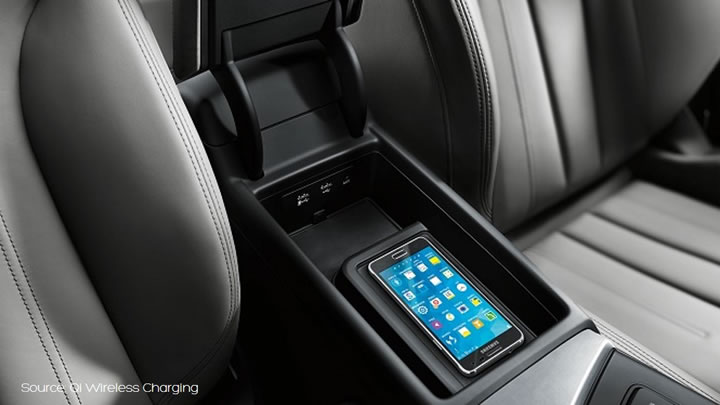
As we continue to navigate the complexities of sustainable transportation, one question remains at the forefront of our minds: how can we ensure that electric vehicles are viable for widespread adoption? In countries like Germany, where renewable energy is used to power electric cars, there is a growing sense of optimism about the potential of mobility and electric vehicles. It’s here that Audi, a German automaker, has been working on a revolutionary new system: wireless charging for electric vehicles.
What is Wireless Charging, and How Does it Work?
Wireless charging technology, developed by companies like WiTricity Corporation, uses electromagnetic fields to transfer energy between devices without the need for physical contact. In the case of Audi’s system, this means that electric vehicles can be charged without the need for a cable or plug.
The process works as follows: a bobbin is installed on the vehicle, which generates a magnetic field when an alternating current is passed through it. This field interacts with another bobbin installed in various strategic locations throughout the city, such as street lamps or parking garages. When the vehicle parks or comes to a stop, the bobbins generate an electromagnetic field that induces a current in the vehicle’s battery, charging it.
Benefits of Wireless Charging
One of the most significant advantages of wireless charging is its potential to eliminate the need for lengthy stops to recharge batteries. Imagine being able to drive for hours without worrying about running out of power – this could revolutionize the way we think about long-distance travel. Additionally, wireless charging eliminates the risk of accidents or injuries caused by exposed electrical connections.
However, there are still some challenges to overcome before wireless charging becomes a reality. For example, computer systems on board the vehicle must be compatible with the technology, and ensuring that the magnetic fields do not interfere with other electronic devices is crucial.
Audi’s Approach
Audi has taken a multi-pronged approach to solving these challenges. They are working with WiTricity Corporation to develop a system that can efficiently transfer energy between vehicles and charging stations. The company is also conducting extensive research on the potential applications of wireless charging, including its use in urban environments.
In fact, Audi’s engineers have made significant breakthroughs in their studies, which suggest that the technology has the potential to revolutionize the way we think about transportation. By creating self-sustaining energy loops, vehicles could potentially travel for hours without stopping to recharge – a game-changer for long-distance driving.
The Future of Transportation
As we look to the future of transportation, wireless charging offers an exciting new prospect: the possibility of cars that can travel indefinitely without needing to refuel. It’s a vision that is both exhilarating and unsettling, as it challenges our traditional notions of what it means to be “driven” by a car.
But what does this mean for us? How will we adapt to a world where vehicles can seemingly run forever? And what implications will this have for urban planning, traffic management, and energy production?
Challenges to Wireless Charging
While wireless charging holds great promise, there are still several challenges that must be overcome before it becomes widely adopted. Some of the key challenges include:
- Efficiency: Wireless charging is currently less efficient than traditional charging methods, which means that it may take longer to charge a vehicle’s battery.
- Safety: Ensuring the safety of vehicles and pedestrians in urban environments will require careful consideration of the electromagnetic fields generated by wireless charging systems.
- Cost: Developing and implementing wireless charging technology will require significant investment, which could make it more expensive for consumers.
- Infrastructure: Building out a network of wireless charging stations will require significant infrastructure development, including poles, lamps, and other support structures.
Solutions to Wireless Charging Challenges
Despite these challenges, researchers and engineers are working tirelessly to overcome them. Some potential solutions include:
- Advancements in Technology: Continued research and development of new materials and technologies could lead to more efficient and cost-effective wireless charging systems.
- Standardization: Developing industry-wide standards for wireless charging could help ensure compatibility and safety across different manufacturers and models.
- Public Awareness: Educating consumers about the benefits and limitations of wireless charging technology can help build support and adoption.
Conclusion
Audi’s wireless charging technology is an ambitious project that holds the potential to transform the way we think about transportation. While there are still many challenges to overcome, the company’s commitment to innovation and sustainability makes it clear that they are serious about making a difference.
As we look to the future of mobility, one thing is certain: electric vehicles will play a significant role in shaping our transportation landscape. Wireless charging technology could be the key to unlocking their full potential – but only time will tell if Audi’s vision becomes a reality.
Frequently Asked Questions
- What is WiTricity Corporation?
WiTricity Corporation is an American company that specializes in wireless power transfer technology. They have partnered with Audi to develop and implement their wireless charging system. - How does the wireless charging system work?
The system uses electromagnetic fields to induce a current in the vehicle’s battery, allowing it to be charged without the need for a cable or plug. - What are the benefits of wireless charging?
Wireless charging eliminates the need for lengthy stops to recharge batteries and reduces the risk of accidents or injuries caused by exposed electrical connections. - Can you tell me more about Audi’s approach to wireless charging?
Audi is working with WiTricity Corporation to develop a system that can efficiently transfer energy between vehicles and charging stations. They are also conducting research on the potential applications of wireless charging in urban environments. - What does the future hold for wireless charging technology?
The future holds great promise for wireless charging technology, but significant challenges must still be overcome before it becomes widely adopted. - Can you explain how wireless charging works in practice?
Wireless charging involves installing bobins on both the vehicle and a stationary charger. When the vehicle is in proximity to the charger, the bobins generate an electromagnetic field that induces a current in the battery. - Will wireless charging revolutionize the way we think about transportation?
Yes, wireless charging has the potential to revolutionize the way we think about transportation by eliminating the need for lengthy stops and reducing energy consumption. - What are some of the challenges facing the development of wireless charging technology?
Some of the challenges facing the development of wireless charging technology include ensuring compatibility with computer systems on board vehicles, minimizing interference with other electronic devices, and optimizing efficiency.
Case Studies
- Smart Charging Systems: Companies like Siemens and Philips have developed smart charging systems that can optimize energy consumption and reduce waste.
- Wireless Charging in Public Transportation: Cities like Berlin and Paris are exploring the use of wireless charging technology for public transportation systems, including buses and trains.
- Wireless Charging in Urban Environments: Researchers at universities like MIT and Stanford have developed prototypes for wireless charging systems that can be integrated into urban environments.
Recommendations
- Invest in Research and Development: Governments and private companies should invest in research and development of wireless charging technology to overcome the challenges facing its adoption.
- Develop Industry-Wide Standards: Developing industry-wide standards for wireless charging could help ensure compatibility and safety across different manufacturers and models.
- Educate Consumers: Educating consumers about the benefits and limitations of wireless charging technology can help build support and adoption.
Conclusion
The future of electric vehicles is bright, but it’s clear that significant challenges must still be overcome before wireless charging technology becomes widely adopted. However, with continued investment in research and development, industry-wide standards, and education, we can unlock the full potential of this revolutionary new system. As we look to the future of mobility, one thing is certain: electric vehicles will play a significant role in shaping our transportation landscape – and wireless charging technology could be the key to unlocking their full potential.


