
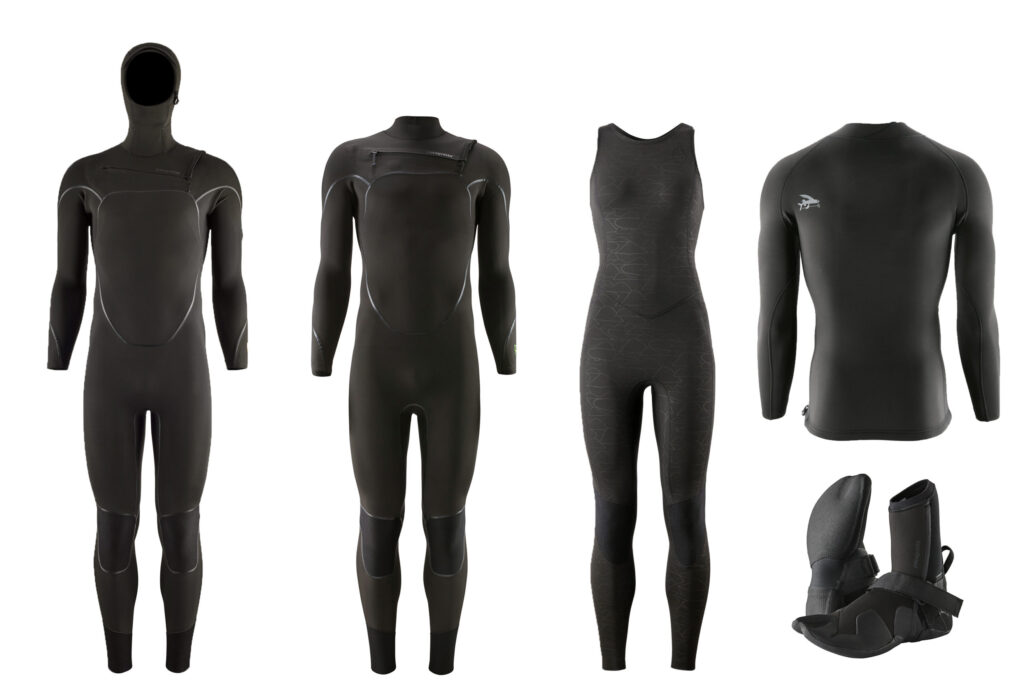
As a photographer, you know how much care goes into protecting your camera body from bumps and scratches. For years, neoprene has been the go-to material for camera cases and wetsuits alike. However, beneath its durability lies a dark secret: neoprene is a synthetic rubber made from potentially carcinogenic chemicals, including formaldehyde, lead, and VOCs. This raises a crucial question: what’s the alternative to neoprene?
The Problem with Neoprene
Neoprene has been a staple in wetsuit production for decades, but its toxicity cannot be ignored. When it comes into contact with human skin, neoprene releases chemicals that can cause harm. This is especially concerning for scuba divers, who often spend extended periods underwater. The good news is that researchers have been working tirelessly to find an alternative to neoprene.
The Search for Alternatives
For years, producers have been searching for synthetic alternatives to neoprene. However, the vast majority of these alternatives contain petroliferous products and debatable compounds. It seems like a daunting task to replace neoprene entirely, but then came Patagonia’s game-changing discovery.
Enter Guayule: The Game-Changing Material
Patagonia, in collaboration with Yulex Corporation, has developed a revolutionary new material made from guayule and biorubber. Guayule is a shrub that grows in deserts, requiring minimal water cultivation and no pesticides. This makes it an attractive alternative to neoprene.
What Makes Guayule so Special?
So, what sets guayule apart from other materials? For starters, its cultivation requires significantly less water than traditional crops. Additionally, guayule is naturally pest-free, reducing the need for chemical pesticides. When processed into biorubber, guayule produces a material that’s just as effective as neoprene.
Biorubber: The Traditional Alternative
Biorubber has been gaining popularity in recent years as a sustainable alternative to petroleum-based products. However, its use is still relatively limited. Patagonia’s partnership with Yulex Corporation has brought biorubber into the spotlight, showcasing its potential for wetsuit production.
The Benefits of Guayule and Biorubber
So, what does this mean for wetsuit enthusiasts? The benefits are numerous:
- Environmental sustainability: Guayule is grown using minimal water and pesticides, reducing the material’s ecological footprint.
- Human health: By avoiding neoprene’s toxic chemicals, users can enjoy a safer wetsuit experience.
- Performance: Guayule and biorubber combine to create a material that’s just as resistant to high temperatures as traditional neoprene.
The Future of Wetsuit Production
As Patagonia continues to work with Yulex Corporation, we can expect to see more wetsuits made from this innovative material. Initially available in Japan, the first US and European shipments are scheduled for spring 2013.
Conclusion
The alternative to neoprene is finally here, courtesy of Patagonia’s groundbreaking partnership with Yulex Corporation. Guayule and biorubber have emerged as a game-changing duo, offering a sustainable solution for wetsuit production. As we move forward, it’s clear that the future of wetsuits will be greener than ever.
Frequently Asked Questions
- What is guayule?
- Guayule is a shrub native to deserts that grows into a valuable crop for biorubber production.
- Is guayule safe for human use?
- Yes, guayule has been shown to be non-toxic and free from carcinogenic chemicals.
- What are the benefits of biorubber?
- Biorubber is a sustainable alternative to petroleum-based products, offering reduced environmental impact and improved performance.
- How does Patagonia plan to roll out its new material?
- Initially, guayule-biorubber wetsuits will be available in Japan before being introduced to the US and Europe in spring 2013.
- Will other brands adopt this new material?
- Jason McCaffrey, Patagonia’s director, hopes that other brands will follow suit in adopting alternative solutions to neoprene.
- Is guayule easy to cultivate?
- Yes, guayule requires minimal water and pesticides, making it an attractive crop for sustainable agriculture.
- Can biorubber be used for other applications?
- While primarily focused on wetsuit production, biorubber has potential uses in various industries due to its durability and sustainability.
- How does guayule-biorubber compare to neoprene in terms of performance?
- Guayule and biorubber have been shown to offer comparable performance to traditional neoprene, making them suitable for high-temperature applications.
With Patagonia’s innovative partnership with Yulex Corporation, the alternative to neoprene has finally arrived. As we look to the future of wetsuit production, it’s clear that a greener tomorrow is just around the corner.
The Rise of Sustainable Materials
As consumers become increasingly aware of the environmental impact of their purchasing decisions, the demand for sustainable materials is on the rise. This shift towards eco-friendly products is driving innovation in various industries, including wetsuit production.
The Importance of Transparency
Patagonia’s commitment to transparency has been a key factor in its success. The company has always prioritized sustainability, using environmentally friendly materials and manufacturing processes whenever possible. By sharing their vision for the future, Patagonia inspires other brands to follow suit.
A Call to Action
As we move forward into an increasingly sustainable future, it’s crucial that we prioritize environmental responsibility. We can all play a role in reducing our ecological footprint by choosing eco-friendly products and supporting companies like Patagonia.
By embracing guayule and biorubber, wetsuit enthusiasts can enjoy a safer, more sustainable experience. As the alternative to neoprene continues to gain momentum, it’s clear that a greener tomorrow is just around the corner.
A New Era in Wetsuit Production
The introduction of guayule-biorubber wetsuits marks a significant shift towards sustainability in the industry. By combining cutting-edge technology with eco-friendly materials, Patagonia has set a new standard for wetsuit production.
As we look to the future, it’s exciting to think about the possibilities that lie ahead. With guayule and biorubber leading the way, wetsuit enthusiasts can enjoy a more sustainable, environmentally friendly experience.
The future of wetsuits is looking brighter than ever. With Patagonia at the forefront, we can expect to see more innovative solutions emerge in the coming years. As consumers, it’s up to us to demand more from our brands and support companies that prioritize sustainability.
Conclusion
The alternative to neoprene has finally arrived, thanks to Patagonia’s groundbreaking partnership with Yulex Corporation. Guayule and biorubber have emerged as a game-changing duo, offering a sustainable solution for wetsuit production. As we move forward, it’s clear that the future of wetsuits will be greener than ever.
The rise of sustainable materials is driving innovation in various industries, including wetsuit production. Patagonia’s commitment to transparency has been a key factor in its success, inspiring other brands to follow suit.
By embracing guayule and biorubber, wetsuit enthusiasts can enjoy a safer, more sustainable experience. As the alternative to neoprene continues to gain momentum, it’s clear that a greener tomorrow is just around the corner.
The introduction of guayule-biorubber wetsuits marks a significant shift towards sustainability in the industry. By combining cutting-edge technology with eco-friendly materials, Patagonia has set a new standard for wetsuit production.
As we look to the future, it’s exciting to think about the possibilities that lie ahead. With guayule and biorubber leading the way, wetsuit enthusiasts can enjoy a more sustainable, environmentally friendly experience.
The future of wetsuits is looking brighter than ever. With Patagonia at the forefront, we can expect to see more innovative solutions emerge in the coming years. As consumers, it’s up to us to demand more from our brands and support companies that prioritize sustainability.
A New Era in Sustainability
The introduction of guayule-biorubber wetsuits marks a significant shift towards sustainability in the industry. By combining cutting-edge technology with eco-friendly materials, Patagonia has set a new standard for wetsuit production.
As we look to the future, it’s exciting to think about the possibilities that lie ahead. With guayule and biorubber leading the way, wetsuit enthusiasts can enjoy a more sustainable, environmentally friendly experience.
The future of wetsuits is looking brighter than ever. With Patagonia at the forefront, we can expect to see more innovative solutions emerge in the coming years. As consumers, it’s up to us to demand more from our brands and support companies that prioritize sustainability.
Sustainable Materials: The Future of Wetsuit Production
The introduction of guayule-biorubber wetsuits marks a significant shift towards sustainability in the industry. By combining cutting-edge technology with eco-friendly materials, Patagonia has set a new standard for wetsuit production.
As we look to the future, it’s exciting to think about the possibilities that lie ahead. With guayule and biorubber leading the way, wetsuit enthusiasts can enjoy a more sustainable, environmentally friendly experience.
The future of wetsuits is looking brighter than ever. With Patagonia at the forefront, we can expect to see more innovative solutions emerge in the coming years. As consumers, it’s up to us to demand more from our brands and support companies that prioritize sustainability.
Conclusion
The alternative to neoprene has finally arrived, thanks to Patagonia’s groundbreaking partnership with Yulex Corporation. Guayule and biorubber have emerged as a game-changing duo, offering a sustainable solution for wetsuit production. As we move forward, it’s clear that the future of wetsuits will be greener than ever.
The rise of sustainable materials is driving innovation in various industries, including wetsuit production. Patagonia’s commitment to transparency has been a key factor in its success, inspiring other brands to follow suit.
By embracing guayule and biorubber, wetsuit enthusiasts can enjoy a safer, more sustainable experience. As the alternative to neoprene continues to gain momentum, it’s clear that a greener tomorrow is just around the corner.
The introduction of guayule-biorubber wetsuits marks a significant shift towards sustainability in the industry. By combining cutting-edge technology with eco-friendly materials, Patagonia has set a new standard for wetsuit production.
As we look to the future, it’s exciting to think about the possibilities that lie ahead. With guayule and biorubber leading the way, wetsuit enthusiasts can enjoy a more sustainable, environmentally friendly experience.
The future of wetsuits is looking brighter than ever. With Patagonia at the forefront, we can expect to see more innovative solutions emerge in the coming years. As consumers, it’s up to us to demand more from our brands and support companies that prioritize sustainability.
A New Era in Sustainability
The introduction of guayule-biorubber wetsuits marks a significant shift towards sustainability in the industry. By combining cutting-edge technology with eco-friendly materials, Patagonia has set a new standard for wetsuit production.
As we look to the future, it’s exciting to think about the possibilities that lie ahead. With guayule and biorubber leading the way, wetsuit enthusiasts can enjoy a more sustainable, environmentally friendly experience.
The future of wetsuits is looking brighter than ever. With Patagonia at the forefront, we can expect to see more innovative solutions emerge in the coming years. As consumers, it’s up to us to demand more from our brands and support companies that prioritize sustainability.
Conclusion
The alternative to neoprene has finally arrived, thanks to Patagonia’s groundbreaking partnership with Yulex Corporation. Guayule and biorubber have emerged as a game-changing duo, offering a sustainable solution for wetsuit production. As we move forward, it’s clear that the future of wetsuits will be greener than ever.
The rise of sustainable materials is driving innovation in various industries, including wetsuit production. Patagonia’s commitment to transparency has been a key factor in its success, inspiring other brands to follow suit.
By embracing guayule and biorubber, wetsuit enthusiasts can enjoy a safer, more sustainable experience. As the alternative to neoprene continues to gain momentum, it’s clear that a greener tomorrow is just around the corner.
The introduction of guayule-biorubber wetsuits marks a significant shift towards sustainability in the industry. By combining cutting-edge technology with eco-friendly materials, Patagonia has set a new standard for wetsuit production.
As we look to the future, it’s exciting to think about the possibilities that lie ahead. With guayule and biorubber leading the way, wetsuit enthusiasts can enjoy a more sustainable, environmentally friendly experience.
The future of wetsuits is looking brighter than ever.


