
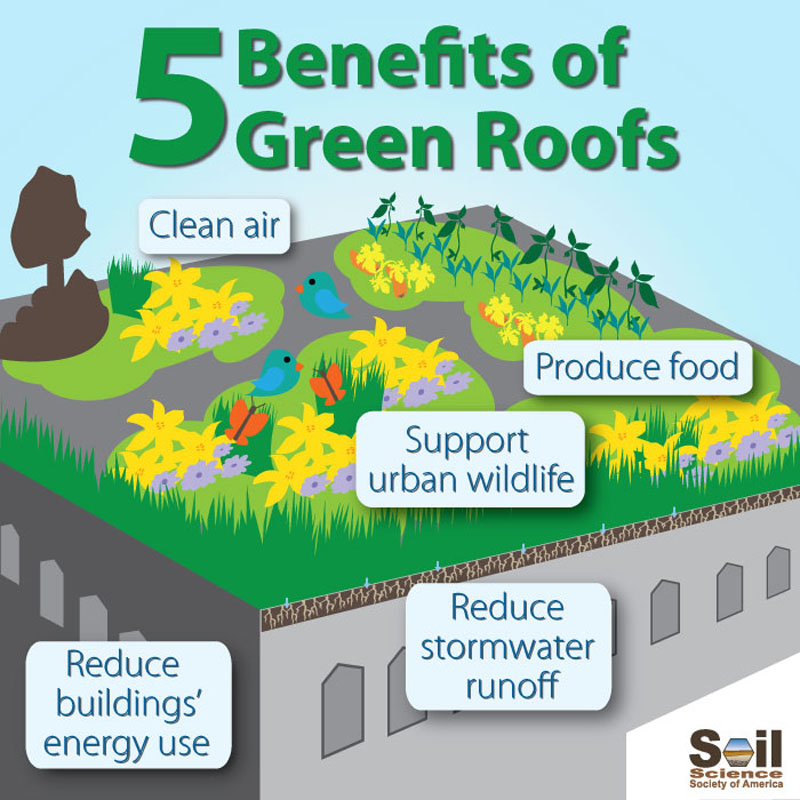
As we explore the advantages of a green roof, it’s clear that this innovative design element is more than just a pretty face. The benefits of a green roof extend far beyond its aesthetic appeal, impacting everything from your wallet to the environment.
Economic and Environmental Benefits of Green Roofs
A green roof increases the value of a construction project
Improves insulation with reduced energy consumption
Extends the lifespan of the roofing membrane by three times
One of the most significant advantages of a green roof is its impact on the economy. According to a study by the National Association of Realtors, green roofs can increase property values by up to 10%. This increased value can lead to higher sale prices and improved rental rates, making it an attractive option for building owners.
Another economic benefit of green roofs is their ability to reduce energy consumption. By providing insulation and reducing heat gain in summer, green roofs can lower the surrounding temperature and create a more comfortable living space for occupants. This reduced energy consumption leads to significant cost savings for building owners, especially when it comes to natural gas consumption.
In addition to its economic benefits, a green roof also extends the lifespan of the roofing membrane by three times. Traditional roofing materials have an average lifespan of 15-20 years, while green roofs can last up to 50 years or more with proper maintenance.
Enhancing Aesthetic Appeal and Sustainability
Beauty is not just skin-deep, but it’s also an essential aspect of any well-designed building. A green roof adds a touch of elegance to your property, making it stand out from the crowd.
But that’s not all – these roofs are also designed to protect from harsh weather conditions, such as intense sunlight and heavy rainfall. This extended lifespan can last up to three times longer than traditional roofing materials
In addition to its aesthetic appeal, green roofs also support local biodiversity by creating new habitats for birds and insects. By incorporating plants and vegetation into the design of a green roof, we’re not only reducing our environmental impact but also contributing to the health and well-being of local ecosystems.
Environmental Benefits: Cooling and Air Quality
A green roof helps lower the surrounding temperature, providing a more comfortable living space for you and your family
Reduces the urban heat island effect, which is caused by the concentration of heat in city centers
Eliminates pollutants and particulate matter from the air
One of the most significant environmental benefits of green roofs is their ability to reduce energy consumption. By providing insulation and reducing heat gain in summer, green roofs can lower the surrounding temperature and create a more comfortable living space for occupants.
Another environmental benefit of green roofs is their ability to reduce the urban heat island effect. This phenomenon occurs when city centers become hot due to the concentration of heat from human activity and infrastructure. Green roofs can help mitigate this effect by reducing the amount of heat that’s absorbed by buildings and pavement.
In addition to its cooling effects, green roofs also eliminate pollutants and particulate matter from the air. By providing a natural barrier between the building and the atmosphere, green roofs can filter out pollutants and reduce air pollution.
The Science Behind Green Roofs
But what makes a green roof truly effective? By analyzing data from various studies, we can see that these roofs provide significant energy savings and reduced greenhouse gas emissions
According to research by an engineering firm, for example, a green roof can reduce heat loss in winter by up to 70% and heat gain in summer by up to 90%
Another study by the Dutch government found that offices with green roofs consume significantly less energy than those without, specifically:
- A 23% reduction in heating costs
- A 75% decrease in cooling costs
This translates to significant cost savings for building owners, especially when it comes to natural gas consumption. In fact, every megajoule (MJ) of energy saved is equivalent to approximately 4.47 cubic meters of gas.
But what about residential properties? A study on the environmental benefits and costs of green roof technology found that households with green roofs consume fewer resources for heating and cooling
Specifically, a family of three would save around €91 per year in heating costs, compared to those without green roofs
Putting it All Together
In conclusion, the benefits of a green roof extend far beyond its aesthetic appeal. By incorporating these innovative structures into our urban landscape, we can create more sustainable, energy-efficient buildings that support local biodiversity and reduce greenhouse gas emissions.
So next time you’re considering building or renovating your home, remember: a green roof is not just a luxury – it’s a smart investment for both your wallet and the environment
Frequently Asked Questions
Q: What are the benefits of a green roof in terms of energy savings?
A: Green roofs can reduce heat loss by up to 70% in winter and heat gain by up to 90% in summer.
Q: How much do green roofs cost?
A: The cost of a green roof varies depending on factors such as size, material, and installation. However, it’s essential to consider the long-term benefits and energy savings that these roofs provide
Q: Are green roofs suitable for all types of buildings?
A: While green roofs are ideal for commercial and residential properties, they may not be suitable for every building type or climate. It’s crucial to consult with experts before deciding on a green roof installation.
Q: Can I grow food on my green roof?
A: Yes! Many green roofs can accommodate plant growth, including fruits, vegetables, and herbs. However, the specific requirements will depend on factors such as soil quality, sunlight, and climate
Q: Are there any government incentives for installing green roofs?
A: Yes, many governments offer tax credits, grants, or rebates to encourage homeowners and businesses to install green roofs
Q: Can I maintain a green roof myself?
A: While it’s possible to maintain a green roof yourself, it’s highly recommended to hire professionals with experience in green roof management to ensure optimal performance and longevity.
Conclusion
In conclusion, the benefits of a green roof are numerous and far-reaching. From its economic and environmental benefits to its aesthetic appeal and sustainability, this innovative design element is an attractive option for building owners and homeowners alike.
By incorporating green roofs into our urban landscape, we can create more sustainable, energy-efficient buildings that support local biodiversity and reduce greenhouse gas emissions. So next time you’re considering building or renovating your home, remember: a green roof is not just a luxury – it’s a smart investment for both your wallet and the environment


