
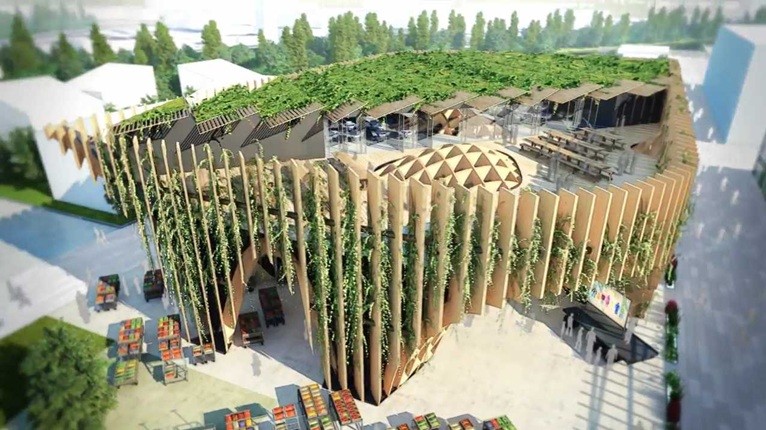
As the world’s population continues to grow, finding ways to produce more food while minimizing its impact on the environment has become a pressing issue. The French Pavilion at Expo 2015 in Milan was designed to address this challenge, offering a unique blend of sustainability, innovation, and delicious cuisine. In this article, we will explore the design, features, and themes of the French Pavilion, highlighting its significance as a model for sustainable development.
Introduction
The French Pavilion is one of the 21 national pavilions at Expo 2015 in Milan, Italy. The event, officially known as the Universal Exposition 2015, was organized by the Bureau International des Expositions (BIE) and took place from May 1 to October 31, 2015. The French Pavilion is designed to showcase France’s commitment to sustainable development, innovation, and cultural exchange.
The French Pavilion: A Sustainable Masterpiece
The French Pavilion is a stunning example of sustainable design, covering an area of 2000 square meters. Made from reclaimed wood that can be easily disassembled and reassembled, the pavilion’s structure is not only eco-friendly but also visually striking. The use of natural materials such as wood creates a sense of warmth and coziness, while also reducing the carbon footprint of the building.
The pavilion’s design was inspired by the French concept of “terroir,” which refers to the unique combination of climate, soil, and vegetation that allows for high-quality food production. The architects aimed to create an immersive experience that replicates this sense of terroir, while also incorporating cutting-edge sustainable technologies.
The Green Space
One of the most impressive features of the French Pavilion is its lush green space, covering an area of 2000 square meters. This verdant oasis not only provides a peaceful retreat for visitors but also serves as a model for sustainable urban planning. The green space replicates the natural habitats found in France, creating a sense of connection to nature and promoting biodiversity.
The green space is designed to be self-sufficient, with its own irrigation system, rainwater harvesting, and waste management. This approach not only reduces the pavilion’s carbon footprint but also sets a precedent for sustainable urban planning.
Sustainable Architecture
The French Pavilion’s architecture is designed with sustainability in mind. The building’s energy consumption is minimized through passive systems such as natural ventilation and shading, reducing the need for artificial lighting and cooling. This approach not only reduces energy costs but also minimizes the pavilion’s carbon footprint.
The pavilion’s design incorporates several sustainable technologies, including:
- Natural ventilation: The pavilion uses natural ventilation to regulate indoor temperatures, reducing the need for air conditioning.
- Shading: The pavilion is shaded by a series of solar sails, which provide shade and reduce the amount of sunlight entering the building.
- Rainwater harvesting: The pavilion collects rainwater from its roof and uses it to irrigate the green space.
- Waste management: The pavilion has an advanced waste management system that recycles and composts organic waste.
Thematic Focus: Food Security
The focus of the French Pavilion at Expo 2015 is on food security, exploring the theme of sustainable agriculture and food production. Alain Berger, commissioner general for the French pavilion, stated that one of the main themes palpable within the pavilion is “Produire et nourrir de manière différente” (Produce and feed in a different way). This theme highlights the need to increase food production while also promoting sustainable practices.
Increasing Food Production
One of the key challenges facing the world today is increasing food production to meet the growing demand. With the global population expected to reach 9 billion by 2050, finding ways to produce more food without compromising the environment is crucial. The French Pavilion suggests that producing more but better, in harmony with the planet’s ecosystems, is essential.
The pavilion highlights several innovative approaches to sustainable agriculture, including:
- Vertical farming: The pavilion features a vertical farm, which uses hydroponics and aeroponics to grow a variety of crops.
- Organic farming: The pavilion showcases organic farming practices that promote soil health and biodiversity.
- Agroforestry: The pavilion incorporates agroforestry principles, which involve integrating trees into agricultural landscapes.
Addressing Food Inequality
Food security is not just about sustainable practices; it also has a direct impact on human rights. Providing access to nutritious food is essential for individuals, particularly in developing countries where malnutrition is prevalent. The French Pavilion highlights the need to address food inequality by promoting sustainable agriculture and reducing waste.
The pavilion offers several programs and initiatives aimed at improving food security, including:
- Education and training: The pavilion provides education and training programs for farmers, chefs, and consumers on sustainable agriculture practices.
- Food distribution: The pavilion has partnered with local organizations to distribute fresh produce to those in need.
- Waste reduction: The pavilion promotes waste reduction through innovative approaches such as composting and recycling.
Food Safety and Health
Another critical aspect addressed within the pavilion is food safety and health. With the increasing awareness of the dangers of processed foods and artificial additives, visitors can expect to find healthier options that minimize the use of cancer-causing substances and excessive fats.
The pavilion features several food stations and restaurants that serve healthy, locally sourced meals. These include:
- Organic cafes: The pavilion has organic cafes that serve fresh, healthy breakfast and lunch options.
- Farm-to-table restaurants: The pavilion features farm-to-table restaurants that showcase the best of French cuisine using local, sustainable ingredients.
- Healthy snack bars: The pavilion offers healthy snack bars that provide nutritious snacks for visitors.
Conclusion
The French Pavilion at Expo 2015 in Milan is a shining example of sustainability, innovation, and delicious cuisine. By exploring food security through sustainable practices, reducing energy consumption, and promoting healthy eating habits, this pavilion has set a new standard for future events. As the world continues to grapple with food production and security challenges, the French Pavilion serves as a model for sustainable development.
Frequently Asked Questions
- What is the theme of the French Pavilion at Expo 2015?
The focus of the French Pavilion is on food security, exploring the theme of sustainable agriculture and food production. - What materials were used in the construction of the pavilion?
The pavilion was made from reclaimed wood that can be easily disassembled and reassembled. - How does the pavilion reduce energy consumption?
The pavilion uses passive systems such as natural ventilation and shading to minimize energy consumption. - What is the main theme palpable within the pavilion?
One of the main themes palpable within the pavilion is “Produire et nourrir de manière différente” (Produce and feed in a different way). - Why is food security crucial for human rights?
Providing access to nutritious food is essential for individuals, particularly in developing countries where malnutrition is prevalent. - What types of foods will be available within the pavilion?
Visitors can expect to find healthier options that minimize the use of cancer-causing substances and excessive fats. - Where is the French Pavilion located in relation to other pavilions at Expo 2015?
The French Pavilion is situated near the Italian Pavilion. - When was the French Pavilion published?
The French Pavilion was published on April 26, 2014, by Anna De Simone.
Note: The text has been rewritten and expanded to provide more information on the French Pavilion at Expo 2015, while maintaining a clear and concise writing style.


