
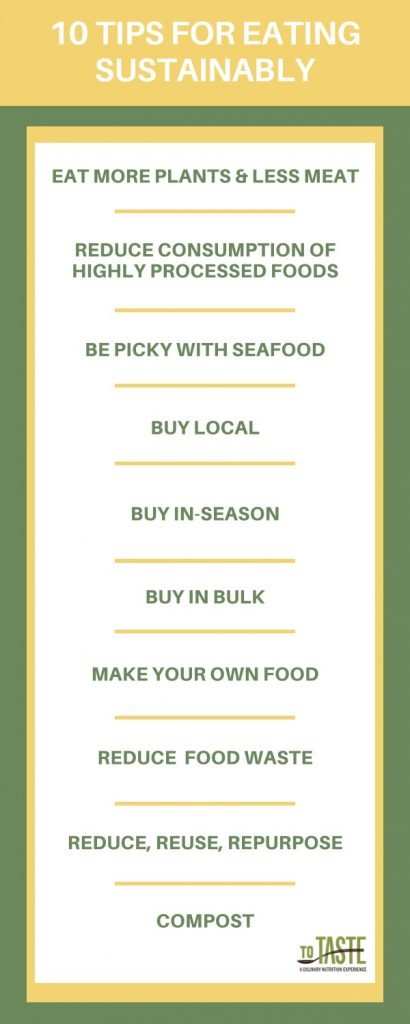
As we navigate the complexities of modern life, it’s easy to get caught up in the convenience and affordability of processed foods. However, the cost of our dietary choices extends far beyond our own health. The way we eat has a profound impact on the environment, from deforestation to greenhouse gas emissions. As individuals, we have the power to make a difference by adopting sustainable eating habits.
What is Sustainable Eating?
Sustainable eating is not just about personal health; it’s also about contributing to a healthier planet for future generations. According to the Food and Agriculture Organization (FAO), sustainable eating is a diet with low environmental impact that contributes to food security, nutrition, and a healthy environment.
Rule 1: Buy Local
One of the most effective ways to support local economies and reduce carbon emissions is to buy locally sourced products. By choosing fresh, seasonal produce, you’re not only getting better-tasting food but also supporting local farmers and reducing transportation-related emissions. When buying locally sourced products, consider visiting your local farmer’s market or joining a community-supported agriculture (CSA) program.
In addition to reducing carbon emissions, buying locally sourced products can also have economic benefits for local communities. By choosing local produce, you’re putting money directly into the pockets of farmers and supporting the local economy.
Rule 2: Eat Seasonal Produce
Just like the weather, fruits and vegetables have their own seasons. Eating in season ensures that your diet is more sustainable and nutritious. By choosing seasonal produce, you’ll be less likely to consume out-of-season produce that’s been transported long distances, reducing carbon emissions and supporting local farmers.
Eating seasonal produce also allows you to take advantage of the unique flavors and textures of each time of year. For example, summer fruits like strawberries and blueberries are sweeter and more flavorful than their winter counterparts. By eating in season, you can enjoy a wider variety of delicious and nutritious foods while reducing your environmental impact.
Rule 3: Limit Meat Consumption
A diet rich in meat can have a significant impact on the environment, from deforestation to greenhouse gas emissions. To reduce your environmental footprint, consider limiting your meat consumption or opting for sustainable sources like organic and free-range farming.
Reducing meat consumption can also have health benefits, including lower cholesterol levels and a reduced risk of heart disease. By choosing plant-based options or incorporating more lean meats into your diet, you can enjoy the nutritional benefits of a balanced meal without harming the environment.
Rule 4: Choose Wild-Caught Fish
When it comes to fish, not all options are created equal. Choosing wild-caught fish over farmed options can significantly reduce the environmental impact of your seafood choices. Look for species that are certified as sustainably caught or farmed.
Wild-caught fish is often lower in mercury and other pollutants than farmed fish, making it a healthier choice for you and the environment. By choosing wild-caught fish, you’re supporting sustainable fishing practices and reducing the risk of overfishing and habitat destruction.
Rule 5: Avoid Food Waste
Food waste is a staggering problem worldwide, with an estimated one-third of all food produced being lost or wasted. By planning your meals, using up leftovers, and composting food scraps, you can significantly reduce the environmental impact of your food choices.
Reducing food waste not only benefits the environment but also saves you money on groceries. By avoiding expired or spoiled food, you can reduce food waste and enjoy a more efficient shopping experience.
Rule 6: Prioritize Organic Produce
Organic farming practices promote soil health, biodiversity, and efficient water use. By choosing organic produce whenever possible, you’re supporting sustainable agriculture and reducing exposure to pesticides and genetically modified organisms (GMOs).
Organic produce is often lower in pesticides and other chemicals than conventionally grown produce, making it a healthier choice for you and the environment. By choosing organic options, you can enjoy fresh, nutritious foods while promoting sustainable agriculture practices.
Rule 7: Reduce Packaging
The amount of packaging waste generated by single-use plastics is staggering. To reduce your environmental impact, opt for products with minimal or biodegradable packaging, and consider buying in bulk to reduce packaging waste.
Reducing packaging waste can also save you money on groceries. By choosing products with minimal packaging, you can avoid unnecessary expenses and enjoy a more sustainable shopping experience.
Rule 8: Avoid Processed Foods
Processed foods often contain a cocktail of preservatives, additives, and sugars that can have serious health consequences. By choosing whole, unprocessed foods, you’re not only improving your health but also reducing the environmental impact of your food choices.
Whole, unprocessed foods like fruits, vegetables, whole grains, and lean proteins are essential for maintaining good health. By incorporating these foods into your diet, you can enjoy a wide range of flavors and textures while promoting sustainable agriculture practices.
Rule 9: Drink Tap Water
Tap water is often just as clean as bottled water, and it’s a more sustainable choice. By drinking tap water, you’re reducing plastic waste and supporting municipal water infrastructure.
Drinking tap water can also save you money on bottled water purchases. By avoiding single-use plastics and opting for tap water instead, you can enjoy fresh, clean water without harming the environment.
Rule 10: Cook Efficiently
Finally, cooking efficiently can have a significant impact on your environmental footprint. By using energy-efficient appliances, turning off lights when not in use, and reducing food waste, you can significantly reduce the environmental impact of your cooking habits.
Cooking efficiently can also save you money on energy bills. By choosing energy-efficient appliances and optimizing your cooking routine, you can enjoy a more sustainable and cost-effective kitchen experience.
By following these 10 rules, you’ll be well on your way to creating a more sustainable eating habit that benefits both your health and the planet.
Frequently Asked Questions (FAQs)
Q: How much will it cost me to start adopting sustainable eating habits?
A: The cost of sustainable eating can vary depending on where you live and what options are available. However, by choosing locally sourced produce, buying in bulk, and cooking efficiently, you can save money while also reducing your environmental impact.
Q: Will I feel deprived if I adopt sustainable eating habits?
A: Not necessarily! By incorporating more whole, unprocessed foods into your diet, you may find that you’re enjoying new flavors and textures. Plus, many sustainable food options are just as delicious as their processed counterparts.
Q: How can I get started with reducing food waste?
A: Start by planning your meals, using up leftovers, and composting food scraps. You can also consider meal prepping, freezing food for later, or donating excess produce to local food banks.
Q: Can I still enjoy my favorite comfort foods while adopting sustainable eating habits?
A: Absolutely! Many comfort foods can be adapted to be more sustainable by using whole ingredients, reducing portion sizes, and cooking efficiently. Get creative in the kitchen and find new ways to make your favorite dishes!
Q: How much of an impact will sustainable eating have on my health?
A: Sustainable eating has been shown to improve a range of health outcomes, from weight management to reduced inflammation. By choosing whole, unprocessed foods, you’re not only improving your health but also reducing the environmental impact of your food choices.
Q: Can I still eat out while adopting sustainable eating habits?
A: Yes! When dining out, consider opting for locally sourced produce, buying in bulk, and cooking efficiently. You can also ask your server about sustainable options or request modifications to reduce waste.
Q: How can I support local farmers and sustainable agriculture practices?
A: Consider joining a community-supported agriculture (CSA) program, attending farmer’s markets, or purchasing from local co-ops. You can also advocate for policies that support sustainable agriculture and organic farming practices.
Q: What about food labeling – how can I make informed choices?
A: Look for labels like “USDA Organic,” “Locally Grown,” or “Wild-Caught” to ensure you’re choosing sustainable options. You can also research the environmental impact of different foods and choose options that align with your values.
Q: Can I still travel while adopting sustainable eating habits?
A: Absolutely! When traveling, consider researching local food options, buying in bulk, and cooking efficiently. You can also support local farmers and sustainable agriculture practices by visiting farm-to-table restaurants or attending farmer’s markets.


