
Introduction
If you’re a cat enthusiast, you might have come across the Thai Cat breed, also known as Traditional Siamese or Apple-Head Siamese. With its unique appearance and charming personality, it’s no wonder why many cat lovers adore this breed. In this article, we’ll delve into the history of the Thai Cat, its characteristics, and what it takes to care for one.
History of Thai Cats
The origins of the Thai Cat date back to ancient Thailand, where they were highly valued as temple cats. The first recorded mention of these cats in the West was in the late 19th century, when British merchants brought them back from their travels. Initially, the breed was known as the “Siamese,” but over time, it developed distinct characteristics that set it apart from its modern counterpart.
The Siamese cat is believed to have originated in Thailand (formerly known as Siam) during the 14th century. They were highly revered by the Thai people and played an important role in Buddhist temples. These temple cats were not only admired for their striking appearance but also for their intelligence, playfulness, and affectionate nature.
In the late 19th century, British merchants brought Siamese cats back to England, where they quickly gained popularity as pets. The breed was refined over the years, with breeders working to create a more compact and docile version of the cat. This led to the development of the Apple-Head Siamese, also known as the Traditional Thai Cat.
Physical Characteristics
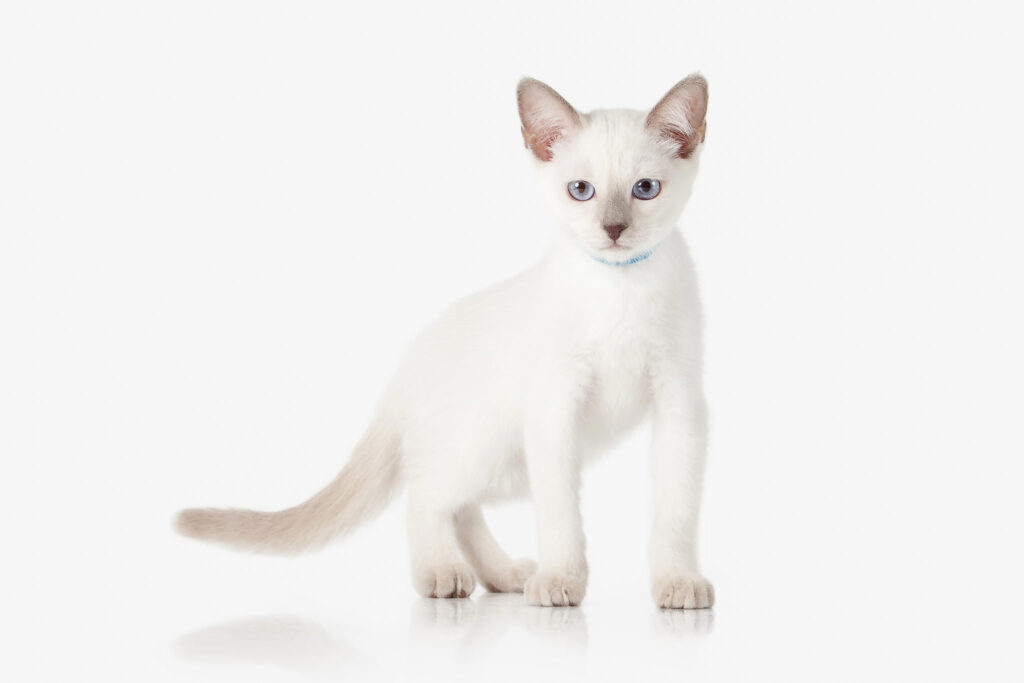
The Thai Cat is a medium-sized cat with a muscular build and a sleek, short coat. Its most distinctive feature is its striking blue eyes, which are considered a hallmark of the breed. The cat’s ears are also rounded and alert, while its tail is long and slender. The coat coloration is another key characteristic of the Thai Cat, with points in seal, blue, chocolate, lilac, red, cream, and tortie patterns.
Thai Cats typically weigh between 8-12 pounds (3.6-5.4 kg) and have a body length of around 10-14 inches (25-35 cm). They are known for their wedge-shaped head, large ears, and almond-shaped eyes. Their coat is short and fine, with a smooth texture that requires minimal grooming.
Personality Traits
Thai Cats are known for their intelligence, playfulness, and affectionate nature. They thrive on human interaction and can become quite demanding if they don’t receive enough attention. This breed is perfect for families with children or for individuals who want a loyal companion. However, Thai Cats can be quite possessive and may follow their owners around the house.
Thai Cats are highly social animals that require regular interaction and stimulation. They love to play with toys, chase laser pointers, and engage in interactive games with their owners. They are also known to be very vocal, using a range of meows, purrs, and chirps to communicate with their human family members.
Health and Care
Thai Cats are generally a healthy breed, but like all cats, they require regular veterinary check-ups and vaccinations. They also need regular grooming to prevent matting and tangling of their coat. In terms of diet, Thai Cats are obligate carnivores and require high-quality protein sources.
Regular grooming is essential to prevent hairballs and matting of the coat. Brushing should be done at least once a week, with daily cleaning of the ears and eyes. Nail trimming, dental care, and regular weight checks are also crucial to maintaining the overall health of the cat.
Allevamenti and Breeding
If you’re interested in acquiring a Thai Cat with pedigree, it’s essential to research reputable breeders who prioritize the health and well-being of their cats. The WCF (World Cat Federation) and TICA (The International Cat Federation) are two organizations that recognize the Thai Cat breed.
Breeders should be licensed by these organizations and adhere to strict breeding standards to ensure the genetic diversity and overall health of the breed. When selecting a breeder, it’s essential to research their reputation, ask for references, and inspect the breeding facility to ensure that the cats are being raised in clean and healthy conditions.
Tips for Caregiving
If you’re considering bringing a Thai Cat into your home, here are some tips to keep in mind:
- Provide plenty of attention and interaction: Thai Cats thrive on human interaction and can become quite demanding if they don’t receive enough attention.
- Offer regular playtime and exercise: Thai Cats need mental and physical stimulation to prevent boredom and stress.
- Keep the living space clean and safe: Thai Cats are naturally curious, so it’s essential to keep the living space clean and safe to prevent accidents.
- Provide a balanced diet: Thai Cats are obligate carnivores, so they require high-quality protein sources and a balanced diet that includes essential vitamins and minerals.
Conclusion
In conclusion, the Thai Cat is a unique and fascinating breed that offers a loving and playful companion for cat enthusiasts. With its rich history, striking appearance, and charming personality, it’s no wonder why this breed has captured the hearts of many. Whether you’re a seasoned breeder or a first-time owner, the Thai Cat is sure to delight.
Frequently Asked Questions (FAQs)
- Q: What is the lifespan of a Thai Cat?
A: The average lifespan of a Thai Cat is 12-17 years. - Q: How often do Thai Cats need grooming?
A: Thai Cats require regular grooming to prevent matting and tangling of their coat. Brushing should be done at least once a week. - Q: Can Thai Cats get along with other pets?
A: Yes, Thai Cats can get along with other pets if socialized properly from an early age. - Q: Are Thai Cats prone to any health issues?
A: Thai Cats are generally healthy, but they can be prone to urinary tract infections and obesity if not fed a balanced diet. - Q: Can I adopt a Thai Cat from a shelter?
A: Yes, you can adopt a Thai Cat from a shelter, but it’s essential to research the shelter’s reputation and ensure that the cat has been properly socialized. - Q: How much do Thai Cats cost?
A: The cost of a Thai Cat can vary depending on factors such as pedigree, age, and breeder reputation. Expect to pay between $800-$1,000 for a pet-quality Thai Cat. - Q: Can I show my Thai Cat in competitions?
A: Yes, you can show your Thai Cat in competitions with the WCF or TICA, but it’s essential to research their rules and regulations.
By understanding the history, characteristics, and care requirements of the Thai Cat breed, you’ll be better equipped to provide a loving home for one of these magnificent creatures.


