
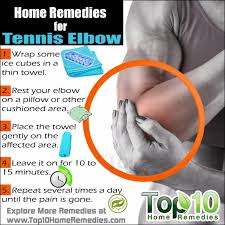
What is Tennis Elbow?
Tennis elbow, also known as lateral epicondylitis, is a common condition that affects the tendons in the forearm, specifically those that connect the muscles of the wrist to the bone in the elbow. This inflammation can cause pain and stiffness in the arm, especially when extending the wrist or fingers.
Why Does Tennis Elbow Occur?
Tennis elbow occurs due to repetitive strain on the tendons and joints in the forearm, which can happen to anyone who engages in activities that involve bending, twisting, or gripping. Tennis players are more likely to develop tennis elbow due to the repeated motion of their arm and wrist during gameplay. However, it’s not exclusive to athletes; people who perform tasks that involve repetitive movements, such as typing, cooking, or assembly line work, can also develop this condition.
Symptoms of Tennis Elbow
As tennis elbow progresses, the pain and inflammation can cause:
- Pain in the forearm, especially on the outside (lateral) aspect
- Tenderness to the touch
- Weakness or numbness in the hand or wrist
- Difficulty gripping objects
- Swelling or redness around the affected area
Causes of Tennis Elbow
While tennis elbow is often associated with tennis players, it can also be caused by:
- Repetitive strain injuries (RSI) from work-related activities
- Poor posture or biomechanics
- Overuse or exhaustion
- Aging or wear and tear on the tendons
Treating Tennis Elbow
Treatment for tennis elbow typically involves a combination of rest, physical therapy, and lifestyle modifications. Here are some common treatments:
Rest and Recovery
- Give your arm time to rest and recover from the inflammation.
- Avoid activities that aggravate the condition.
Pain Relief
- Apply ice packs or cold compresses to reduce pain and swelling.
- Use over-the-counter pain medications, such as ibuprofen or acetaminophen.
Physical Therapy
- A physical therapist can help you develop exercises to strengthen your forearm and wrist muscles.
- Techniques like massage, acupuncture, and electrical stimulation may also be used to alleviate symptoms.
Ergonomic Adjustments
- Make ergonomic adjustments to your workspace or activities to reduce strain on your arm and wrist.
- Use proper grip techniques when performing tasks that involve gripping objects.
Preventing Tennis Elbow
While it’s not possible to completely prevent tennis elbow, there are steps you can take to reduce the risk of developing this condition:
Maintain Good Posture
- Keep your shoulders relaxed and down, avoiding slouching or leaning forward.
- Take regular breaks to stretch and move around.
Strengthen Your Forearm Muscles
- Engage in exercises that strengthen your forearm muscles, such as wrist curls and extensions.
- Use proper grip techniques when performing tasks that involve gripping objects.
Lifestyle Modifications
In addition to rest, physical therapy, and ergonomic adjustments, there are several lifestyle modifications you can make to reduce the risk of developing tennis elbow:
Take Regular Breaks
- Take regular breaks to stretch and move around, especially if you have a job that involves repetitive movements.
- Use this time to do some light stretching or exercises to loosen up your arm and wrist.
Strengthen Your Core Muscles
- Engage in exercises that strengthen your core muscles, such as planks and bridges.
- A strong core can help reduce strain on your arm and wrist.
Use Proper Lifting Techniques
- When lifting objects, use proper techniques to avoid straining your arm and wrist.
- Keep the object close to your body and lift with your legs rather than your back.
Natural Remedies for Tennis Elbow
In addition to medical treatment, there are several natural remedies that may help alleviate symptoms of tennis elbow:
Topical Creams and Ointments
- Apply topical creams or ointments containing arnica, capsaicin, or menthol to reduce pain and inflammation.
- These creams can be applied directly to the affected area.
Acupuncture
- Acupuncture involves inserting thin needles into specific points on the body to stimulate healing and relaxation.
- This technique may help alleviate symptoms of tennis elbow.
Heat and Cold Therapy
- Apply heat or cold packs to reduce pain and inflammation in tennis elbow.
- Heat therapy, such as warm baths or showers, can be used to relax muscles and increase blood flow. Cold therapy, such as ice packs or cold compresses, can be used to reduce inflammation and numb the area.
Conclusion
Tennis elbow is a common condition that affects the tendons in the forearm. By understanding the causes, symptoms, and treatment options, you can take steps to prevent or alleviate this condition. Remember to maintain good posture, strengthen your forearm muscles, and use proper grip techniques to reduce the risk of developing tennis elbow.
Frequently Asked Questions
-
What is the best way to treat tennis elbow?
The most effective treatment for tennis elbow involves a combination of rest, physical therapy, and lifestyle modifications. -
Can tennis elbow be prevented?
While it’s not possible to completely prevent tennis elbow, maintaining good posture, strengthening your forearm muscles, and using proper grip techniques can reduce the risk of developing this condition. -
How long does it take for tennis elbow to heal?
The healing time for tennis elbow varies depending on the severity of the condition and treatment options. Resting the affected arm for 2-6 weeks is usually sufficient for mild cases, while more severe cases may require longer periods of rest and physical therapy. -
Can I still play sports with tennis elbow?
Yes, you can still participate in sports with tennis elbow, but it’s recommended to take regular breaks to rest your arm and avoid exacerbating the condition. -
What are some common symptoms of tennis elbow?
Common symptoms of tennis elbow include pain and stiffness in the forearm, tenderness to the touch, weakness or numbness in the hand or wrist, difficulty gripping objects, swelling or redness around the affected area. -
Can I use heat instead of cold for tennis elbow?
While both heat and cold can be used to alleviate symptoms, cold packs are usually more effective for reducing inflammation and pain in tennis elbow. -
How often should I see a doctor for tennis elbow?
It’s recommended to consult with a healthcare professional if you experience persistent or severe symptoms of tennis elbow. -
Can I use over-the-counter medications for tennis elbow?
Yes, over-the-counter pain medications such as ibuprofen or acetaminophen may be used to alleviate symptoms of tennis elbow; however, it’s always best to consult with a healthcare professional before starting any new medication regimen.


