
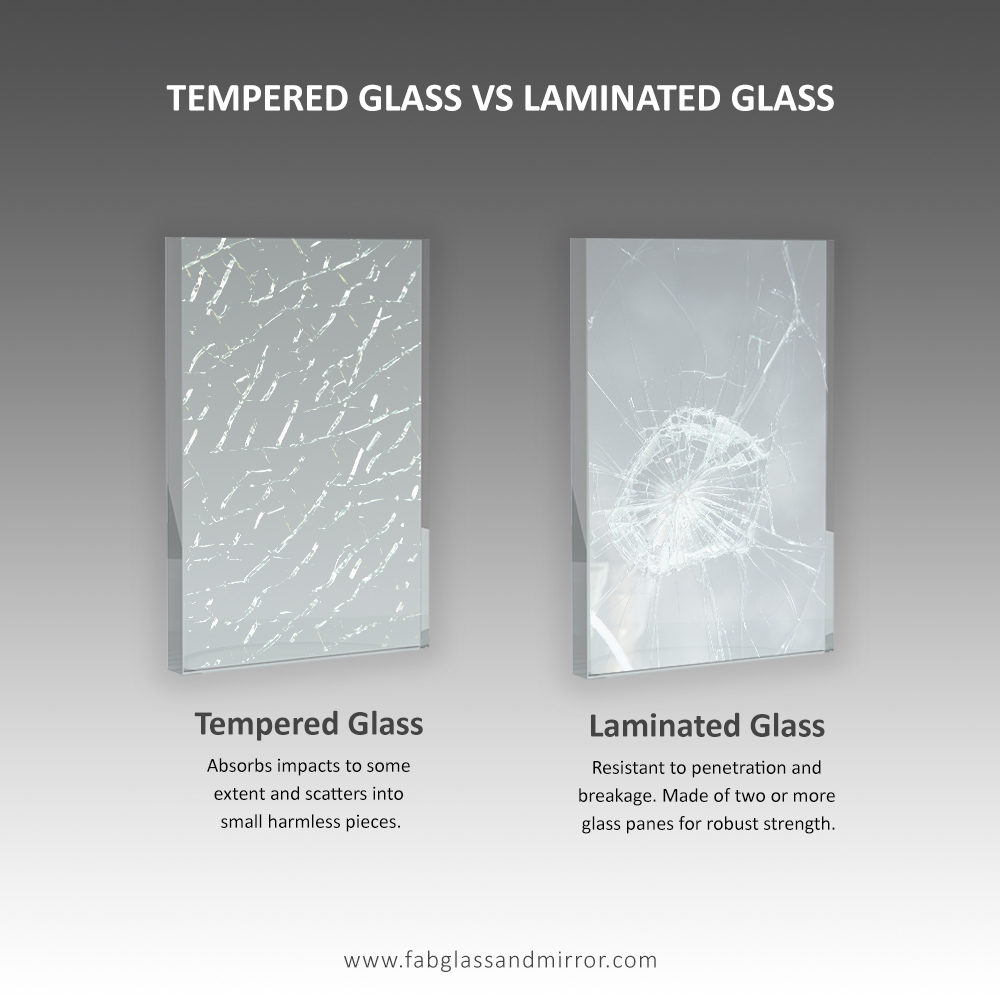
As we go about our daily lives, it’s easy to overlook the materials that surround us. However, one such material that deserves attention is tempered glass. Often referred to as “safety glass,” it’s a popular choice for various applications due to its unique properties and versatility. In this article, we’ll delve into the world of tempered glass, exploring its significance, benefits, technical characteristics, usage, and more.
What is Tempered Glass?
Tempered glass is made by heating regular glass to a high temperature (around 700°C) and then rapidly cooling it. This process, known as tempering, creates a compressive stress on the surface of the glass, making it stronger and more resistant to impact. The internal layer of the tempered glass cools slowly, causing it to expand and contract, resulting in an even greater compression force.
Advantages of Tempered Glass
Tempered glass offers several benefits that make it a popular choice for various applications:
- Increased Safety: Tempered glass is up to 5 times stronger than regular glass, making it ideal for applications where safety is paramount.
- Versatility: Tempered glass can be used in a wide range of applications, including windows, doors, shower enclosures, and even furniture.
- Ease of Cleaning: Tempered glass is easy to clean and maintain, reducing the need for frequent cleaning products.
Technical Characteristics of Tempered Glass
Tempered glass has several technical characteristics that make it an attractive choice:
- Breaking Resistance: Tempered glass can withstand extreme temperatures (up to 250°C) and pressures without breaking.
- Durability: Tempered glass is resistant to scratches, cracks, and chips, ensuring a long-lasting product.
However, tempered glass also has some limitations:
- Non-Repairable: Once tempered, the glass cannot be repaired or altered. Any damage must be replaced entirely.
- Limited Design Options: The tempering process restricts the design options for tempered glass, as any alterations can compromise its structural integrity.
Using Tempered Glass
Tempered glass is used in a variety of applications, including:
- Windows and Doors: Tempered glass is often used for windows and doors due to its safety features and durability.
- Shower Enclosures: Shower enclosures made from tempered glass are popular due to their ease of cleaning and design flexibility.
- Furniture: Tempered glass can be used in furniture, such as tables and chairs, providing a sleek and modern look.
Applications of Tempered Glass
Tempered glass is widely used in various industries, including:
- Architecture: Tempered glass is often used for building facades, windows, and doors due to its durability and safety features.
- Automotive: Tempered glass is used extensively in the automotive industry for windshields, side windows, and rear windows due to its impact resistance and visibility.
- Furniture: Tempered glass is a popular choice for furniture makers due to its versatility, design flexibility, and durability.
- Medical Equipment: Tempered glass is often used in medical equipment due to its non-reactive properties, transparency, and resistance to scratches and cracks.
Conclusion
Tempered glass is a versatile material with unique properties that make it an attractive choice for various applications. Its safety features, durability, and ease of cleaning make it a popular choice for windows, doors, shower enclosures, and even furniture. While tempered glass has some limitations, its benefits far outweigh its drawbacks.
Frequently Asked Questions (FAQs)
- What is the difference between tempered glass and regular glass?
- Tempered glass is made by heating regular glass to a high temperature and then rapidly cooling it, creating a compressive stress on the surface.
- Is tempered glass more expensive than regular glass?
- Yes, tempered glass is generally more expensive due to the tempering process, which requires specialized equipment and expertise.
- Can tempered glass be repaired or altered?
- No, once tempered, the glass cannot be repaired or altered. Any damage must be replaced entirely.
- Is tempered glass suitable for outdoor use?
- Yes, tempered glass can be used outdoors due to its durability and resistance to extreme temperatures and pressures.
- Can tempered glass be used in architectural applications?
- Yes, tempered glass is often used in architectural applications, such as facades and walls, due to its safety features and design flexibility.
By understanding the significance and characteristics of tempered glass, you can make informed decisions about its use in various applications. Whether it’s for safety, durability, or aesthetic purposes, tempered glass is an attractive choice that offers numerous benefits.



