
Understanding the Ideal Home Temperature
For many, home temperature is a personal preference. However, there’s more to it than just individual comfort. Our bodies have specific needs for temperature and humidity levels to avoid unnecessary illnesses like raffreddori or more severe health issues. Moreover, our wallets benefit from moderate temperatures as well.
The quest for the perfect home temperature involves striking a balance between physical sensations, energy consumption, financial costs, and environmental factors. It’s about finding that sweet spot where everyone feels comfortable, without breaking the bank or harming the planet.
Home Temperature Regulations
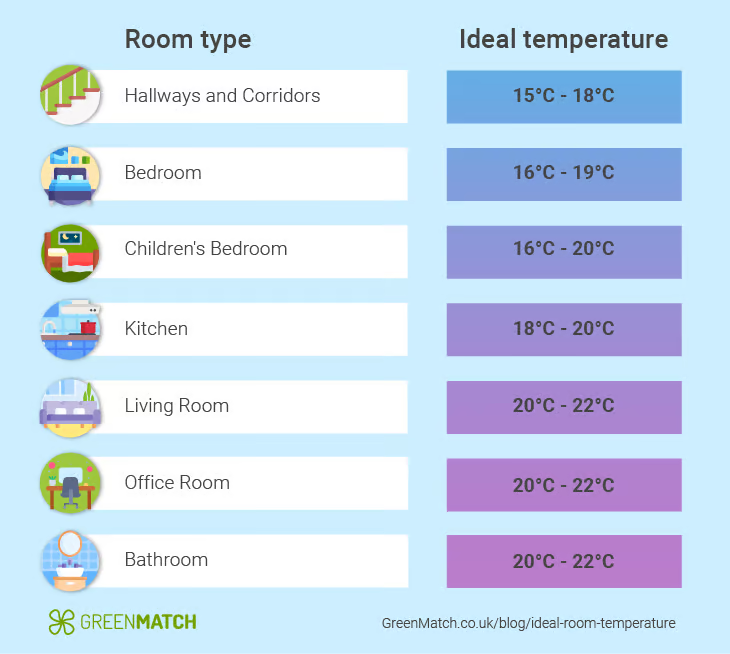
There is a law governing home temperatures, which applies to all Italians: no more than two degrees above 20°C (68°F) in our homes. Who checks this? It’s up to us, along with our sense of responsibility and budget constraints, as well as our conscience.
Decrees 412/93 and 551/99 set the stage for these regulations by outlining guidelines for home temperatures across various settings like homes, offices, schools, and other buildings. However, there are exceptions in buildings where industrial or artisanal activities take place. Here, the temperature limit is reduced to 18°C (64°F).
These same decrees define specific periods of the year and hours when we can turn on our heaters to raise the home temperature safely. We’re divided into six climate zones based on geographical factors, ranging from A to F.
Managing Riscaldamento in Specific Situations
The law advises us against excessive heating, which is a leading cause of air pollution and health problems like heat stress. Cities like Milan experienced this firsthand when poor air quality affected everyone.
However, there are exceptions to these regulations. Municipalities can relax or tighten temperature limits under specific circumstances, such as extreme cold snaps or periods of severe air pollution.
Temperature for Newborn Babies
When it comes to newborn babies, the law offers some flexibility. If they’re not premature and healthy, a home temperature between 20-22°C (68-72°F) during the day is suitable. Additionally, ensuring proper humidity levels (40-60%) will help prevent any discomfort or health issues.
As babies grow, so do their needs for comfort. By the first month of life, a temperature range of 18-20°C (64-68°F) is perfectly fine, and they can even safely go outside without any issues if dressed appropriately.
Temperature in Winter: More than Just a Number
The home temperature during winter goes beyond just being a number; it directly impacts our overall well-being. It’s not just about what we see on the thermometer but also how our bodies perceive the environment around us, influenced by humidity and ventilation levels.
Using an indicator called Humidex can help determine a comfortable range of 18-24°C (64-75°F) for temperature and humidity conditions. However, these values vary among individuals based on factors such as age and health status, as well as their usual living environment.
The Importance of Proper Ventilation
Maintaining proper ventilation in the home is crucial to prevent overheating or overcooling. This involves understanding how our bodies react differently under various temperature and humidity conditions. If the air is too dry, we may experience discomfort, while excessive moisture can lead to its own set of issues.
Proper ventilation also helps reduce energy consumption by removing excess heat from the building and allowing cooler outside air to enter. This not only saves money but also decreases our carbon footprint.
Smart Home Temperature Control with Netatmo
With smart thermostats like the one from Netatmo, controlling your home temperature has never been easier. This device allows you to regulate your heating system remotely via your smartphone or tablet. The modern design and functionality make it both stylish and practical.
By pairing this device with the appropriate app and connecting it to your smartphone or computer, you can monitor and adjust the temperature in real-time without having to physically interact with the thermostat. Plus, it helps save energy by optimizing heating usage.
Conclusion: Finding Balance for a Sustainable Home
Finding that perfect balance between home comfort and sustainability requires thoughtfulness and awareness of our surroundings. By understanding how temperature affects us physically, financially, and environmentally, we can make informed decisions about managing our homes effectively.
Whether you’re seeking to reduce your energy consumption or create a more comfortable living space without harming the environment, this guide should provide valuable insights into optimizing home temperatures for both comfort and sustainability.
FAQs:
-
What is the ideal temperature range for newborn babies?
Answer: 20-22°C (68-72°F) during the day with proper humidity levels (40-60%). -
Can municipalities relax or tighten temperature limits in specific situations?
Answer: Yes, but these changes should only occur under exceptional circumstances like extreme weather events or air pollution. -
How often can I turn on my heater to raise the home temperature safely?
Answer: According to decree regulations and considering geographical factors and health status, usually during designated hours for each zone of climate (A-F). -
What are the benefits of using a smart thermostat like Netatmo?
Answer: It allows remote control over heating systems, monitors energy consumption in real-time, and features a user-friendly interface. -
Can I save money by adjusting my home temperature effectively?
Answer: Yes, by optimizing your heating usage, you can potentially reduce up to 25% of energy consumption. -
How important is proper ventilation in maintaining healthy indoor environments?
Answer: It plays a vital role in preventing overheating or overcooling, ensuring that air quality remains optimal for both physical and mental well-being. -
Can extreme temperatures affect people differently based on age or health status?
Answer: Yes; older adults and individuals with certain medical conditions may need to adjust their environments more carefully due to unique physiological responses to temperature fluctuations. -
How can I stay informed about the latest developments in home energy efficiency and sustainable practices?
Answer: Regularly check out reputable news sources, blogs focused on sustainability, or join online communities discussing green living tips for homeowners.
Additional Tips for a Sustainable Home
In addition to understanding ideal home temperatures and using smart thermostats, here are some additional tips for creating a sustainable home:
- Insulate your home: Proper insulation helps retain heat during winter and keeps your home cool during summer, reducing the need for heating and cooling.
- Use energy-efficient appliances: Replace old appliances with energy-efficient ones to reduce energy consumption and lower your utility bills.
- Conduct an energy audit: Hire a professional to conduct an energy audit of your home to identify areas where energy is being wasted and provide recommendations for improvement.
- Invest in renewable energy sources: Consider investing in solar panels or other renewable energy sources to power your home and reduce your reliance on non-renewable energy sources.
- Create a sustainable lifestyle: Make conscious choices about your daily habits, such as using public transportation, carpooling, or driving electric or hybrid vehicles.
By implementing these tips and understanding the importance of optimal home temperatures, you can create a comfortable and sustainable living space that benefits both your health and the environment.
Common Mistakes to Avoid
While optimizing home temperatures is crucial for sustainability, there are some common mistakes to avoid:
- Overheating: Overheating can lead to energy waste, increased risk of heat-related illnesses, and higher utility bills.
- Undercooling: Undercooling can result in energy loss, discomfort, and decreased productivity.
- Inadequate ventilation: Poor ventilation can lead to mold growth, allergic reactions, and respiratory problems.
- Ignoring energy-efficient technologies: Failing to invest in energy-efficient technologies can hinder your ability to reduce energy consumption and lower your utility bills.
By being aware of these common mistakes, you can avoid them and create a more sustainable home that meets your comfort needs while minimizing its environmental impact.
Conclusion
Optimizing your home temperature is not just about finding the perfect number on the thermostat; it’s about creating a comfortable and sustainable living space that benefits both your health and the environment. By understanding how temperature affects us physically, financially, and environmentally, you can make informed decisions about managing your homes effectively.
Whether you’re seeking to reduce your energy consumption or create a more comfortable living space without harming the planet, this guide should provide valuable insights into optimizing home temperatures for both comfort and sustainability.


