
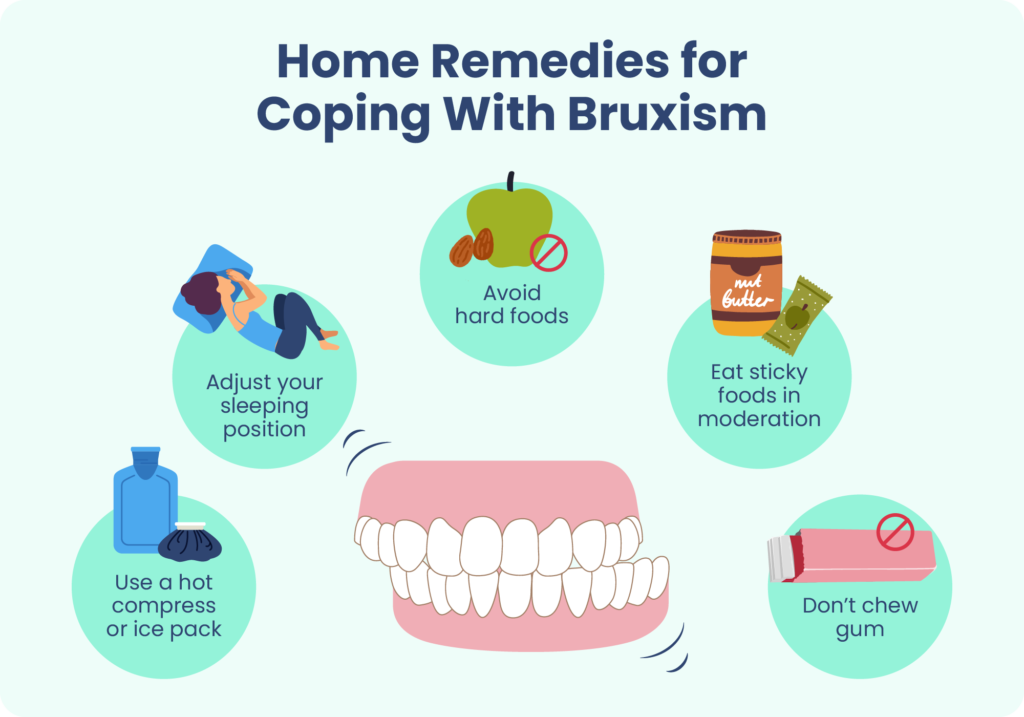
Bruxism is a common condition characterized by the grinding or clenching of teeth, often during sleep. It can be a conscious or unconscious habit, and it’s essential to recognize its symptoms to address the underlying issue.
How Do We Know If We’re Grinding Our Teeth?
You might not even realize you’re grinding your teeth, but there are signs that can indicate bruxism. Waking up with jaw pain, headaches, or earaches could be a sign of this condition. Additionally, experiencing tension in your neck and shoulders, as well as digestive issues like acid reflux or stomach problems, may also point to bruxism.
What Causes Bruxism?
Bruxism is often linked to emotional stress, anxiety, and depression. When we’re feeling overwhelmed, our brain tries to release tension by unconsciously grinding our teeth. Other factors that can contribute to bruxism include:
- Sleep disorders: Sleep apnea, insomnia, or restless leg syndrome can disrupt normal sleep patterns, leading to bruxism.
- Muscle tension: Tight muscles in the jaw, face, and neck can cause people to grind their teeth.
- Habits: Grinding teeth can be a learned behavior, often developed through anxiety, stress, or boredom.
The Effects of Bruxism
If left untreated, bruxism can lead to:
- Dental problems: Worn-down tooth enamel, cracked teeth, and jaw pain
- Headaches: Temporomandibular joint (TMJ) disorders and migraines
- Digestive issues: Acid reflux, stomach problems, and irritable bowel syndrome (IBS)
Recognizing the Signs of Bruxism
If you’re experiencing any of these symptoms, it’s time to take action:
- Jaw pain or tenderness
- Headaches or earaches
- Tension in your neck and shoulders
- Digestive issues
- Fatigue or insomnia
Breaking the Cycle: Treatment Options
The good news is that bruxism can be treated. Your dentist may recommend:
- Customized mouthguards: Designed to protect teeth from grinding and clenching
- Physical therapy: To relax tense muscles and improve jaw alignment
- Cognitive-behavioral therapy (CBT): To address underlying emotional issues
By addressing the root cause of bruxism, you can break the cycle of tooth grinding and jaw pain.
Conclusion
Bruxism is a common condition that can have serious consequences if left untreated. By recognizing its signs and symptoms, seeking professional help, and adopting healthy habits, you can take control of your teeth grinding and jaw pain. Take the first step towards a healthier smile today!
Here are 8 FAQs on bruxism to further understand this issue:
- What is the difference between nocturnal bruxism and diurnal bruxism?
- Nocturnal bruxism occurs during sleep, while diurnal bruxism happens during the day.
- Can stress cause bruxism?
- Yes, stress can contribute to bruxism by triggering anxiety and tension in the jaw and face muscles.
- How common is bruxism?
- Bruxism affects millions of people worldwide, with an estimated 8% of adults experiencing it.
- What are the symptoms of bruxism?
- Common symptoms include tooth grinding, jaw pain, headaches, and earaches.
- Can bruxism cause dental problems?
- Yes, bruxism can lead to worn-down teeth, cracked teeth, and gum recession.
- Is bruxism a sign of anxiety or depression?
- Bruxism can be linked to emotional stress, anxiety, and depression.
- Can physical therapy help with bruxism?
- Yes, physical therapy can relax tense muscles and improve jaw alignment to reduce grinding and clenching.
- How can I prevent bruxism?
- Practice relaxation techniques, maintain good sleep habits, and avoid habits that trigger stress or anxiety.
By understanding bruxism and its causes, you can take the first step towards a healthier smile.
Additional Tips for Reducing Bruxism
- Maintain a healthy diet: Eating a balanced diet rich in fruits, vegetables, and whole grains can help reduce tension.
- Stay hydrated: Drinking plenty of water throughout the day can help keep your muscles relaxed.
- Practice relaxation techniques: Regularly practicing yoga, meditation, or deep breathing exercises can help reduce stress.
Conclusion
By recognizing the signs of bruxism and taking action to address it, you can break the cycle of tooth grinding and jaw pain. With the right treatment options and healthy habits, you can maintain a healthy smile for years to come.


