
The Growing Concern of Electronic Waste and Precious Materials: A New Era for Recycling
As technology continues to advance at an unprecedented rate, our reliance on electronic devices grows exponentially. However, this boom in technology comes with a significant environmental cost. The disposal of electronic waste (e-waste) has become a pressing concern, not only due to its impact on the environment but also because it poses a threat to the availability of precious materials.
In recent years, there has been an increase in e-waste generation worldwide. According to the United Nations University’s E-Waste Monitor, the global e-waste population is projected to reach 74 million metric tons by 2030, with Asia being the largest contributor. This surge in e-waste production is driven by factors such as consumer demand for cheaper electronics, inadequate waste management infrastructure, and the lack of effective regulations.
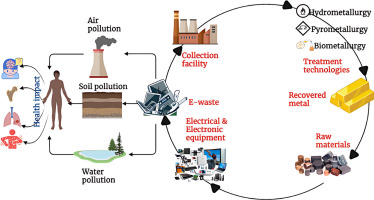
The extraction of raw materials from e-waste can have devastating effects on the environment if not handled properly. For instance, the mining of gold from e-waste can lead to water pollution and soil contamination in communities where the waste is dumped. Moreover, the release of toxic substances such as mercury and lead into the environment poses significant health risks to humans and wildlife.
Despite these challenges, there are numerous opportunities for recycling valuable materials from e-waste. In fact, some companies have already begun to reap benefits from recycling precious metals such as gold, silver, and copper from e-waste. By developing more efficient methods of e-waste management and creating markets for recycled materials, we can reduce the environmental impact of this growing industry.
One approach to addressing e-waste is through the development of closed-loop recycling systems. These systems involve collecting e-waste, dismantling it, and then recovering valuable materials such as metals and plastics. This process allows companies to design products that are recyclable at the end-of-life stage, reducing the amount of waste generated in the first place.
Another strategy is to promote sustainable consumption patterns among consumers. By educating people about the environmental impact of e-waste and encouraging them to adopt responsible disposal practices, we can reduce the overall volume of e-waste generated.
In addition, governments can play a crucial role in addressing e-waste by implementing policies that encourage sustainable practices. This includes establishing regulations for e-waste management, investing in research and development of new technologies, and providing education and training programs for the public.
The E-Waste Lab: A Model for Collaboration
One initiative that has made significant strides in promoting e-waste recycling is the E-Waste Lab, launched by ReMedia in 2012. This lab brings together industry stakeholders, researchers, and government agencies to develop best practices for collecting, transporting, recycling, and recovering precious materials from electronic waste.
The E-Waste Lab has several objectives, including:
- Identifying economic and environmental opportunities through an initial analysis
- Developing best practices for collecting, transporting, recycling, and recovering precious materials from electronic waste
- Promoting organizational innovation and process improvement throughout all services related to collection and recycling of technological waste
The E-Waste Lab has already seen significant success, with several companies adopting its recommendations and implementing more efficient e-waste management practices.
Conclusion
The issue of e-waste is complex and multifaceted, requiring a comprehensive approach that involves governments, industries, and civil society organizations. By working together to develop closed-loop recycling systems, promote sustainable consumption patterns, and implement policies that encourage responsible e-waste management, we can reduce the environmental impact of this growing industry.
In conclusion, the future of e-waste recycling holds great promise for creating a more sustainable and environmentally friendly world. As technology continues to advance at an unprecedented rate, it is essential that we prioritize responsible e-waste management practices to ensure that our actions do not harm the planet.
Frequently Asked Questions (FAQs)
-
What are the main challenges associated with recycling electronic waste?
- One major challenge is the lack of awareness about e-waste management and its environmental impact.
-
How can individuals contribute to reducing e-waste?
-
Individuals can make a difference by disposing of their electronic devices responsibly, donating them when possible, or recycling them through designated facilities.
-
What role does technology play in e-waste management?
-
Technology can aid in the identification and recovery of valuable materials from e-waste through advanced sorting and processing techniques.
-
How can businesses contribute to reducing e-waste?
-
Businesses can reduce their e-waste by adopting sustainable practices, such as designing products for recyclability and implementing take-back programs for customers.
-
What is the significance of collaboration in addressing e-waste management challenges?
-
Collaboration among governments, industries, and civil society organizations is crucial for creating effective policies and initiatives to address e-waste management challenges.
-
How can recycling be made more efficient and cost-effective?
-
Recycling efficiency and cost-effectiveness can be improved through the development of advanced recycling technologies, as well as the implementation of circular economy principles in product design and production.
-
What are some successful examples of e-waste recycling initiatives around the world?
-
Examples include Germany’s electronic waste collection program, which has successfully reduced e-waste sent to landfills by over 90%, and China’s efforts to develop a nationwide e-waste management system.
-
How can governments support e-waste management efforts?
-
Governments can support e-waste management efforts by implementing policies that encourage sustainable practices, providing education and training programs for the public, and investing in research and development of new technologies and recycling methods.
References:
- United Nations University’s E-Waste Monitor
- ReMedia Consortium
- Politecnico di Milano (Departments of Management Engineering, Materials Chemistry and Chemical Engineering, Electronic and Information Science)
- Lombardy Region
- Amsa
- Stena S.p.A.
- Assolombarda


