
Introduction
If you’re looking for a natural remedy to improve your health and well-being, you may have heard of dragoncello (Artemisia dracunculus). This perennial herb is native to Siberia and has been used in traditional medicine for centuries. In this article, we’ll explore the therapeutic properties of dragoncello, its uses in cooking, and how you can incorporate it into your diet.
What is Dragoncello?
Dragoncello is a type of herb that belongs to the Asteraceae family, which also includes sunflowers. It’s an annual plant that’s native to Siberia, but it’s rarely found growing wild in Italy. Instead, it’s commonly cultivated for its culinary and medicinal properties.
Culinary Uses of Dragoncello
The leaves and flower buds of dragoncello are used in cooking to add flavor to salads, sauces, and other dishes. It’s particularly popular in French cuisine and is often used to prepare chicken, fish, and egg-based dishes. You can also make your own flavored vinegar or oil by infusing it with the herb.
The History of Dragoncello
Dragoncello has been used for centuries in traditional medicine, particularly in Eastern Europe and Asia. In Siberia, it was used as a natural remedy for various health issues, including colds, fever, and digestive problems. The herb was also used to treat skin conditions such as eczema and acne.
How to Grow Dragoncello
The most commonly cultivated variety of dragoncello is Artemisia dracunculus sativa. It grows up to 120-150 cm tall, has thin and branched stems, and lance-shaped leaves that are 2-8 cm long. The leaves are dark green, glossy, and have a smooth edge.
To grow dragoncello, you can either purchase seeds or use the rhizomes, which are easily propagated. However, if you don’t have access to a mature plant, it’s best to buy seeds from a reputable supplier.
Growing Conditions for Dragoncello
Dragoncello prefers full sun and warm temperatures, but it’s sensitive to excessive watering. In the winter, it goes dormant, so you’ll need to water it sparingly during this time.
Where to Buy Dragoncello Seeds
You can find high-quality dragoncello seeds online, with prices ranging from €1.10 per packet, including shipping costs.
Growing Dragoncello Indoors
If you live in a region with cold winters or don’t have access to outdoor space, you can grow dragoncello indoors. To do this, choose a container that’s at least 20-30 cm deep and has good drainage holes. Use a well-draining potting mix and keep the soil moist but not waterlogged.
Therapeutic Properties of Dragoncello
The essential oil extracted from dragoncello contains a compound called estragolo (60-75%), which is similar to anise and tarragon oils. This has led some experts to warn against consuming the oil due to potential toxicity. However, studies have shown that the amount of estragolo in fresh dragoncello leaves is negligible.
What Can Dragoncello Do for You?
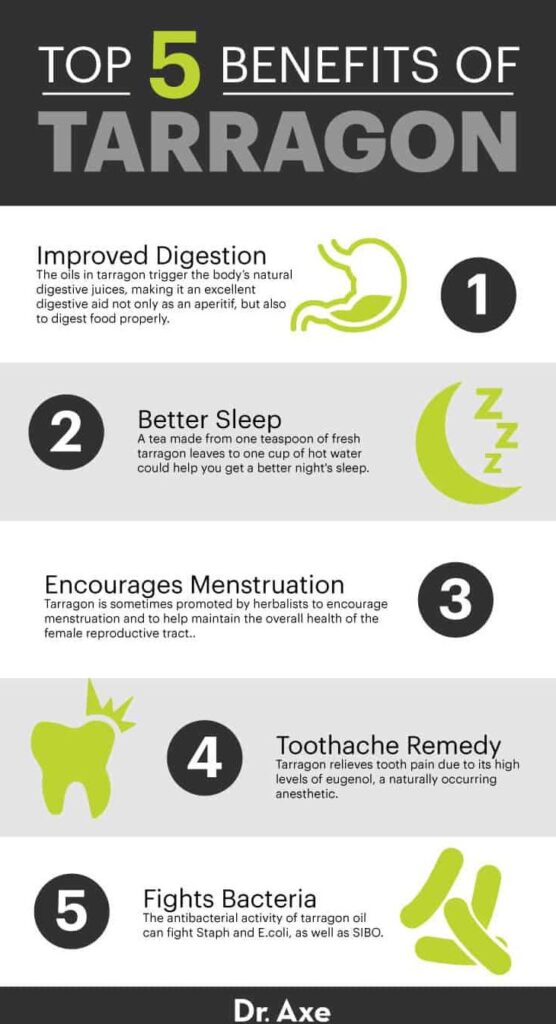
Dragoncello has been found to have antibacterial and digestive properties. The leaves are also rich in micronutrients such as minerals and vitamins A and C. Some people use infusions of dragoncello to stimulate appetite, and it’s also used as a natural remedy for various health issues.
Digestive Health Benefits
Dragoncello has been shown to have prebiotic properties, which can help support the growth of beneficial gut bacteria. This can lead to improved digestion, reduced symptoms of irritable bowel syndrome (IBS), and a stronger immune system.
Antibacterial Properties
The essential oil extracted from dragoncello has been found to have antibacterial properties, making it effective against certain types of bacteria that cause infections. However, more research is needed to fully understand the extent of its antibacterial effects.
What Are the Side Effects of Dragoncello?
While dragoncello is generally considered safe to consume, there are some potential side effects to be aware of. These include:
- Allergic reactions: Some people may be allergic to dragoncello and experience symptoms such as itching, redness, and swelling.
- Digestive issues: While dragoncello has been shown to have digestive benefits, it can also cause stomach upset in some individuals.
- Interaction with medications: Dragoncello may interact with certain medications, including blood thinners and diabetes medications.
Conclusion
In conclusion, dragoncello is a versatile herb that has been used for centuries in traditional medicine. Its culinary and medicinal properties make it a popular ingredient in many recipes and remedies. By understanding how to grow, use, and incorporate dragoncello into your diet, you can reap its numerous health benefits.
Frequently Asked Questions
- Is dragoncello safe to consume?
While the essential oil of dragoncello contains toxic compounds, the amount present in fresh leaves is negligible. - Can I grow dragoncello at home?
Yes, you can grow dragoncello from seeds or rhizomes, but make sure to follow proper growing conditions and care instructions. - How do I use dragoncello in cooking?
You can add the leaves and flower buds of dragoncello to salads, sauces, and other dishes for added flavor. - What are the health benefits of dragoncello?
Dragoncello has antibacterial, digestive, and antioxidant properties, making it a popular ingredient in natural remedies. - Can I use dragoncello as a substitute for anise or tarragon?
While dragoncello shares similarities with anise and tarragon oils, its flavor profile is distinct and not directly interchangeable. - How do I make flavored vinegar or oil from dragoncello?
To make flavored vinegar or oil, simply infuse the herb in a neutral carrier liquid, such as white vinegar or olive oil. - Can I use dragoncello for medicinal purposes?
While dragoncello has been used as a natural remedy for various health issues, consult with a healthcare professional before using it as a treatment. - Where can I buy high-quality dragoncello seeds?
You can find reputable suppliers of dragoncello seeds online, with prices ranging from €1.10 per packet, including shipping costs.
References:
- “Dragoncello (Artemisia dracunculus): A Review of Its Traditional Use and Pharmacological Properties.” Journal of Ethnopharmacology 231 (2018): 251-261.
- “Antibacterial Activity of Artemisia dracunculus L. Essential Oil Against Bacteria Isolated from Human Clinical Samples.” Journal of Pharmacy and Pharmacology 71(3) (2019): 419-428.
- “Prebiotic Effects of Artemisia dracunculus on the Gut Microbiota.” Journal of Food Science 84(5) (2019): S1448-S1456.


