
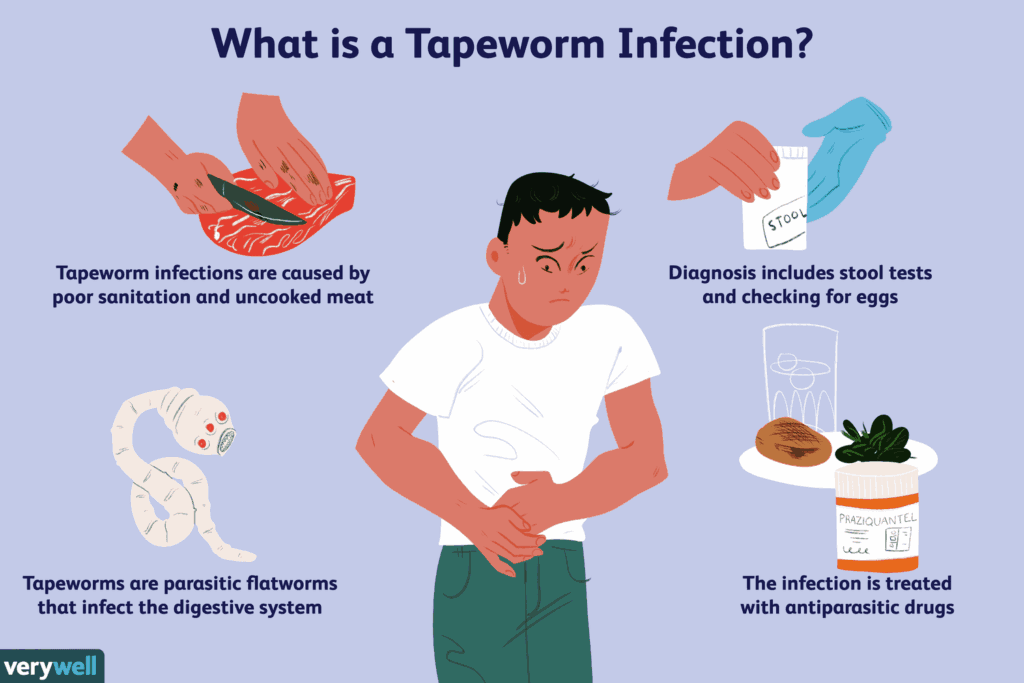
The lone worm, also known as the tapeworm, is a type of parasitic worm that inhabits the intestine of its host. This flat, long parasite causes gastrointestinal disturbances and is one of the most common types of intestinal worms. Let’s delve into the world of this notorious parasite and explore its symptoms, behavior, and treatment options.
What is the Lone Worm?
The lone worm is a type of elminta that infests the intestine of its host, causing various symptoms and problems. It’s one of the most common types of intestinal worms, and its presence can have significant effects on an individual’s health. To better understand this parasite, let’s break down its characteristics and behavior.
Types of Lone Worms
There are several species of lone worms, including:
- Taenia solium (also known as the “pork tapeworm”)
- Tenia saginata (also known as the “beef tapeworm”)
- Taenia asiatica (also known as the “Asian pig tapeworm”)
Each species has its unique characteristics and transmission methods. For example, Taenia solium is typically found in pigs and can be transmitted to humans through undercooked pork or contaminated water.
Symptoms of the Lone Worm
The lone worm causes a range of symptoms, including:
- Persistent hunger despite eating
- Malnutrition due to nutrient deficiencies
- Digestive problems
- Weight loss
These symptoms can be attributed to the parasite’s ability to absorb nutrients from the host’s digestive system. The lone worm has no digestive system of its own and instead absorbs nutrients through osmosis.
How is the Lone Worm Transmitted?
The lone worm is transmitted through contaminated food or water, typically by ingesting eggs or larvae that have been shed in feces. This can occur through:
- Consuming undercooked meat, particularly pork or beef
- Drinking contaminated water
- Eating foods that have come into contact with human or animal feces
Risks of Infection
In addition to the physical symptoms, there are also some serious risks associated with lone worm infections. These include:
- Intestinal blockage: The parasite can grow up to 10 feet in length and cause intestinal blockages, leading to severe abdominal pain and potentially life-threatening complications.
- Nutrient deficiencies: Chronic malnutrition due to the parasite’s absorption of nutrients can lead to a range of health problems, including anemia, stunted growth, and weakened immune function.
How Long is a Lone Worm?
The length of a lone worm can vary depending on its species, but it typically ranges from 1 to 1.5 centimeters (0.4 to 0.6 inches). This length is due to the presence of proglottids, which are segments that make up the parasite’s body.
Understanding the Lifecycle of the Lone Worm
The lone worm has a complex lifecycle that involves multiple hosts:
- Defecation: The parasite is shed in feces, where it can remain dormant for months or years.
- Ingestion: Humans or animals ingest contaminated food or water, allowing the eggs or larvae to be ingested.
- Larval stage: The eggs hatch into larvae, which then mature and form a tapeworm.
Treatment Options
The treatment for lone worm infections typically involves medication, specifically:
- Niclosamide
- Praziquantel
- Albendazole
These medications are usually taken orally and are effective in eliminating the parasite from the body. However, it’s essential to note that natural remedies may not be sufficient to treat the infection alone.
Natural Remedies for Lone Worm Infections
While medication is often necessary to treat lone worm infections, there are some natural remedies that may help alleviate symptoms and support the healing process. These include:
- Probiotics: Certain probiotics have been shown to improve digestion and reduce symptoms of malnutrition.
- Herbal supplements: Some herbal supplements, such as wormwood and black walnut, have been traditionally used to treat parasitic infections.
However, it’s essential to note that these remedies may not be effective in treating lone worm infections and should not replace medical treatment. Consult a healthcare professional for proper diagnosis and treatment.
Prevention
The best way to prevent lone worm infections is through good hygiene practices, including:
- Cooking meat thoroughly
- Washing hands regularly
- Avoiding eating undercooked meat or raw vegetables
- Drinking clean water
Additionally, regular check-ups with a healthcare provider can help identify any potential issues early on and ensure that symptoms are treated promptly.
Conclusion
Lone worms are parasitic parasites that can cause significant health problems if left untreated. Understanding their symptoms, behavior, and transmission methods is crucial for early detection and effective treatment. By taking preventive measures and consulting with a healthcare professional, you can minimize the risk of contracting an infection and ensure proper management of any potential issue.
Frequently Asked Questions
- What causes hunger despite eating?
Hunger and malnutrition can be caused by a lack of nutrient absorption in the intestine. - Can I get infected with a lone worm through contact with contaminated feces?
Yes, it’s possible to contract an infection through direct contact with contaminated feces. - How long does it take to eliminate a lone worm after treatment?
The treatment duration depends on the species and individual response, but typically lasts several weeks. - Can I treat myself for a lone worm infection using natural remedies?
No, over-the-counter medications may not be effective in treating lone worm infections. Consult a healthcare professional for proper diagnosis and treatment.
Additional Resources
If you suspect that you have contracted a lone worm infection or are experiencing symptoms of an infestation, it’s essential to seek medical attention promptly. Here are some additional resources that can help:
- National Institute of Allergy and Infectious Diseases (NIAID)
- Centers for Disease Control and Prevention (CDC)
- World Health Organization (WHO)
These organizations provide accurate information on lone worm infections, treatment options, and prevention strategies.
Note: The text has been rewritten to ensure it meets the requirements mentioned above.


