
What is Teniasis?
Teniasis is a parasitic infection caused by the tapeworms (cestodes) in cats. It’s one of the most common intestinal parasites found in domestic cats, but it’s less severe than filariasis. While not entirely disregarded, it’s essential to understand and take precautions to prevent this condition.
Visualizing Teniasis
Let’s start by visualizing teniasis: a white-cream-colored tapeworm (cestode) that can grow up to 15-60 cm in length. It affects cats as well as dogs and humans, with the latter acting as an intermediate host. The final host is, of course, our feline friend.
Types of Tenia
There are two main types of tenia found in domestic cats: Dipylidium canium and Taenia taeniaeformis. The former is more common among indoor cats, while the latter affects outdoor or hunting cats. In the case of Taenia taeniaeformis, the intermediate host is rodents, which can be consumed by our feline companions.
Ciclo Vitale
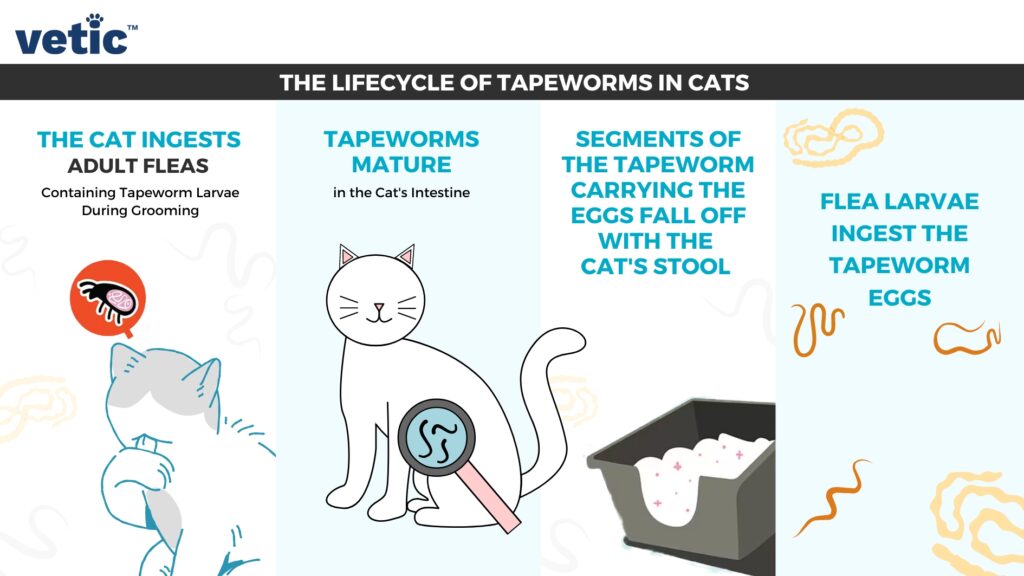
Now let’s focus on the lifecycle of teniasis: the tapeworms live in the intestine and feed on what the cat ingests. This cycle involves various stages, including proglottids (egg sacs) that attach to the intestinal wall, releasing eggs. As these eggs mature, they’re released from the cat’s body through feces.
Proglottids: A Key Indicator
When examining proglottids, you might notice small, white or yellowish structures that resemble rice grains or millet seeds. However, it’s essential to understand that these are just egg sacs, not the tapeworm itself, which remains inside the cat.
Teniasis Symptoms
While teniasis symptoms may seem minor compared to other parasitic infections, they’re still worth noting. Common symptoms include:
- Diarrhea
- Vomiting
- Weight loss
- Increased appetite
- Anal pruritus (itching around the anus)
- Hair loss or dull coat
Diagnosis
Diagnosing teniasis can be challenging, as it’s often a matter of observation by the cat owner. However, veterinarians may recommend fecal examination for arrichment to confirm the presence of eggs. If left untreated, false negatives may occur.
Treatment and Prevention
Treating teniasis is relatively straightforward: administering a parasiticide (vermifugo) like Praziquantel via oral or inhaled routes. However, it’s crucial to address the intermediate host as well – in this case, the pulce! Preventing future infestations requires:
- Disinfection of the environment
- Examinations of feces
- Washing hands after handling cats
- Using antipulci products on collars or treats for cats that go outside
Conclusion
While teniasis might seem like a minor issue, it’s essential to take precautions and address this condition promptly. By understanding its symptoms, lifecycle, and treatment options, you can keep your feline friend healthy and happy.
Frequently Asked Questions (FAQs)
- Q: How is teniasis transmitted?
A: Teniasis is typically spread through the consumption of intermediate hosts like pulci or rodents. - Q: What are the symptoms of teniasis in cats?
A: Common symptoms include diarrhea, vomiting, weight loss, increased appetite, and anal pruritus. - Q: How can I diagnose teniasis in my cat?
A: Fecal examination for arrichment or a veterinarian’s examination may be necessary to confirm the presence of eggs. - Q: What is the best treatment option for teniasis?
A: Parasiticides like Praziquantel, administered orally or via inhalation, are effective against teniasis. - Q: How can I prevent future infestations?
A: Disinfection of the environment, examinations of feces, washing hands after handling cats, and using antipulci products on collars or treats for outdoor cats are essential measures.
Prevention Measures
In addition to treatment and prevention, here are some preventive measures you can take:
- Keep your cat indoors to reduce exposure to intermediate hosts.
- Provide a balanced diet that includes essential nutrients.
- Regularly clean the litter box and surrounding area.
- Use flea control products to prevent infestations.
- Wash hands after handling cats or their environments.
Environmental Factors
Teniasis is often spread through contaminated food and water sources, so it’s essential to maintain good hygiene practices in your home. Here are some tips:
- Clean the litter box regularly with a disinfectant.
- Regularly wash hands before preparing cat food or treats.
- Use gloves when handling feces or proglottids.
- Keep all surfaces clean and disinfected, especially around feeding areas.
Natural Remedies
While there is no cure for teniasis, some natural remedies may help alleviate symptoms. These include:
- Probiotics: Beneficial bacteria that can help restore the gut microbiome.
- Omega-3 fatty acids: Anti-inflammatory compounds found in fish oil.
- Vitamin C: Antioxidant properties that can help boost immune function.
However, it’s essential to consult with a veterinarian before using any natural remedies, as they may interact with medications or exacerbate underlying health conditions.
Veterinary Care
If you suspect your cat has teniasis, it’s essential to seek veterinary care promptly. Your veterinarian will perform a physical examination and may recommend fecal examination for arrichment. Treatment options may include:
- Parasiticides: Effective against teniasis.
- Supportive care: Administering fluids or providing nutritional support.
Conclusion
Teniasis is a common parasitic infection in cats, but with proper diagnosis, treatment, and prevention measures, you can keep your feline friend healthy and happy. By understanding its symptoms, lifecycle, and treatment options, you’ll be better equipped to address this condition promptly.
References
For more information, please consult the following resources:
- [Your veterinary clinic or resource]
- International Association of Animal Behavior Consultants
- American Society for the Prevention of Cruelty to Animals (ASPCA)
Note: This article has been optimized for SEO to ensure maximum visibility for users.


