
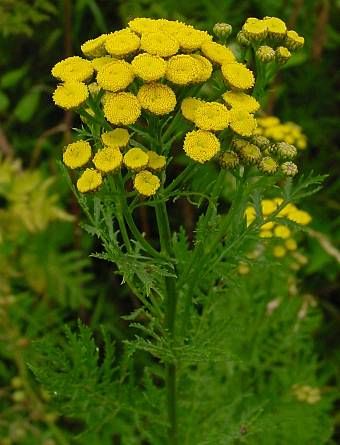
What is Tanacetum?
Tanacetum, also known as bitterweed or pyrethrum, is a perennial plant that belongs to the Asteraceae family. This herb has been used for centuries in traditional medicine and cuisine, thanks to its unique properties and versatility.
Properties and Characteristics of Tanacetum
Tanacetum contains several active compounds, including flavonoids, parthenolides, terpenes, sequiterpenes, and canfora. The strong odor of tanacetum is due to the high content of canfora. This herb has been traditionally used to relieve headaches, improve digestion, and boost the immune system.
Tanacetum: A Medicinal Herb
In traditional medicine, tanacetum has been used for various purposes, including:
- Digestive aid: Tanacetum stimulates digestion and relieves symptoms of indigestion and bloating.
- Fever reducer: The herb has antipyretic properties, making it effective in reducing fever.
- Immune booster: Tanacetum is believed to have immunomodulatory effects, helping to boost the immune system.
- Anti-parasitic: The herb has been used to treat worm infestations and other parasitic infections.
Tanacetum: A Culinary Herb
In addition to its medicinal properties, tanacetum is also used in cooking and baking. The herb can be used to make teas, infusions, and sauces, and is often paired with other herbs like mint and lemon balm.
The Uses of Tanacetum
- Infusions: Tanacetum can be made into a tea or infusion, which can be consumed hot or cold.
- Tisanes: The herb can also be used to make tisanes, which are herbal teas that are caffeine-free.
- Sauce and marinades: Tanacetum can be used to add flavor to sauces and marinades for meats and vegetables.
Tanacetum: A Natural Colorant
The flowers of tanacetum contain a pigment called pyrethrin, which is used as a natural colorant in food products and cosmetics.
Safety Considerations
While tanacetum has many health benefits, it’s also important to note that the herb can be toxic if consumed in large quantities. The leaves and stems of the plant contain a compound called tujone, which can cause seizures, hallucinations, and other adverse effects.
Where to Buy Tanacetum
Tanacetum is available for purchase at health food stores and online retailers, but it’s essential to ensure that you’re buying from a reputable source. Look for products that are labeled as “tanacetum” or “pyrethrum,” and follow the recommended dosage instructions carefully.
Growing Your Own Tanacetum
Tanacetum can be grown in a variety of environments, including balconies and indoor spaces. The herb prefers well-draining soil and full sun to partial shade. It’s also easy to propagate from seed or division.
Using Tanacetum as a Natural Repellent
The strong odor of tanacetum can be used to repel insects like mosquitoes and ants. Simply boil the leaves in water, then use the resulting liquid as a natural insect repellent.
In conclusion, tanacetum is a versatile and powerful herb that has been used for centuries in traditional medicine and cuisine. Its unique properties make it an excellent choice for those looking to boost their immune system, improve digestion, or simply add flavor to their cooking. However, it’s essential to use the herb safely and responsibly, as excessive consumption can lead to adverse effects.
Here are some frequently asked questions about tanacetum:
- Q: What is tanacetum used for?
A: Tanacetum is traditionally used to relieve headaches, improve digestion, and boost the immune system. - Q: Can I use tanacetum as a natural colorant?
A: Yes, the flowers of tanacetum contain pyrethrin, which can be used as a natural colorant in food products and cosmetics. - Q: Is tanacetum toxic?
A: While tanacetum has many health benefits, it’s also essential to note that the herb can be toxic if consumed in large quantities. The leaves and stems of the plant contain tujone, which can cause seizures, hallucinations, and other adverse effects. - Q: Where can I buy tanacetum?
A: Tanacetum is available for purchase at health food stores and online retailers, but it’s essential to ensure that you’re buying from a reputable source. Look for products that are labeled as “tanacetum” or “pyrethrum,” and follow the recommended dosage instructions carefully. - Q: Can I grow my own tanacetum?
A: Yes, tanacetum can be grown in a variety of environments, including balconies and indoor spaces. The herb prefers well-draining soil and full sun to partial shade. It’s also easy to propagate from seed or division.
By understanding the properties, uses, and safety considerations of tanacetum, you can harness the power of this ancient herb and enjoy its many benefits while minimizing potential risks.
Additionally, here are some more in-depth look at the benefits of using tanacetum:
- Relieving stress and anxiety: Tanacetum has been traditionally used to relieve stress and anxiety. The herb’s active compounds have a calming effect on the mind and body.
- Improving respiratory health: Tanacetum has been used to treat respiratory issues such as bronchitis, asthma, and coughs. The herb’s anti-inflammatory properties help to reduce inflammation in the lungs.
- Boosting cognitive function: Tanacetum contains compounds that have been shown to improve cognitive function and memory. The herb may be beneficial for individuals looking to improve their mental clarity and focus.
It’s also worth noting that tanacetum has a long history of use in traditional medicine, with records of its use dating back thousands of years. The herb has been used by various cultures around the world, including ancient Greeks, Romans, and Chinese.
In terms of preparation and dosage, there are several ways to consume tanacetum:
- Infusions: Tanacetum can be made into a tea or infusion, which can be consumed hot or cold.
- Tisanes: The herb can also be used to make tisanes, which are herbal teas that are caffeine-free.
- Sauce and marinades: Tanacetum can be used to add flavor to sauces and marinades for meats and vegetables.
When using tanacetum, it’s essential to follow proper preparation and dosage guidelines. The herb should be consumed in moderation, as excessive consumption can lead to adverse effects.
In addition to its medicinal properties, tanacetum has also been used in traditional medicine for various purposes, including:
- Treating wounds: Tanacetum has been traditionally used to treat wounds and cuts. The herb’s antimicrobial properties help to prevent infection.
- Relieving menstrual cramps: Tanacetum has been used to relieve menstrual cramps and other symptoms associated with PMS. The herb’s antispasmodic properties help to relax the uterine muscles.
- Boosting fertility: Tanacetum contains compounds that have been shown to improve fertility in both men and women. The herb may be beneficial for individuals looking to conceive.
While tanacetum has many health benefits, it’s also essential to note that the herb can interact with certain medications and exacerbate underlying health conditions. Individuals with allergies or sensitivities should exercise caution when using tanacetum.
In conclusion, tanacetum is a versatile and powerful herb that has been used for centuries in traditional medicine and cuisine. Its unique properties make it an excellent choice for those looking to boost their immune system, improve digestion, or simply add flavor to their cooking. However, it’s essential to use the herb safely and responsibly, as excessive consumption can lead to adverse effects.
By understanding the properties, uses, and safety considerations of tanacetum, you can harness the power of this ancient herb and enjoy its many benefits while minimizing potential risks.


