
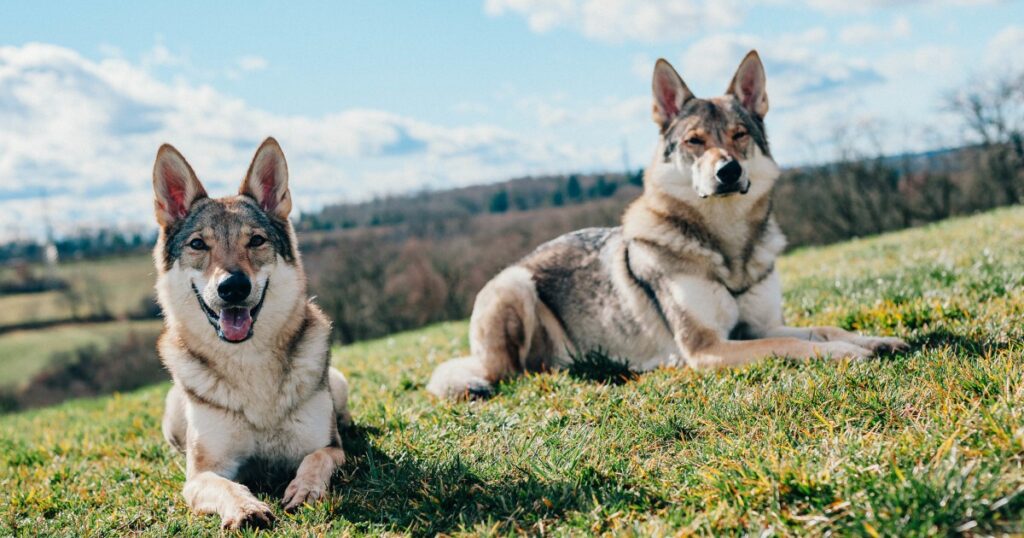
Are you ready to embark on an adventure with one of the most fascinating dog breeds known for their striking appearance and wolf-like features? If yes, then look no further! In this article, we’ll delve into the world of the Tamaskan, exploring its physical characteristics, temperament, diet, price, and more. Buckle up, folks, as we uncover the secrets behind this captivating canine companion!
Physical Appearance of the Tamaskan: A Wolf-Like Beauty
The Tamaskan is a Finnish breed that has been engineered to resemble wolves as closely as possible while still maintaining its domestic temperament. Created by crossing Siberian Huskies, Alaskan Malamutes, and German Shepherds, this incredible dog boasts an impressive physical appearance.
- Its almond-shaped eyes range from golden brown to reddish-brown, giving it a unique and captivating look.
- The erect ears are triangular, slightly rounded at the tips, and held in an upright position when the Tamaskan is fully attentive.
- The robust neck is long, muscular, and slightly arched, supporting a medium-length coat with a rough consistency that helps resist environmental factors.
Characteristics of the Tamaskan: A Companion Dog with a Wolf-Like Nature
The Tamaskan’s most striking feature is its adaptability. As a companion dog, it’s designed to thrive in domestic environments while maintaining its wolf-like nature. This unique blend of traits makes the Tamaskan an ideal breed for families and individuals who want a loyal companion that can keep up with their active lifestyle.
- Weight: The Tamaskan’s weight varies between 25 kg and 40 kg, making it a medium-sized dog.
- Height: Adult dogs reach heights ranging from 60 to 70 cm, providing them with an imposing yet agile appearance.
Diet of the Tamaskan: A Balanced Approach
A well-balanced diet is essential for maintaining the Tamaskan’s health. Proper nutrition should be the top priority when choosing food for your furry friend. Dry food, wet food, BARF (Bare Bones Feed), or homemade diets – whatever you choose, ensure it meets the dog’s nutritional needs.
- Quality over Quantity: Prioritize high-quality foods that provide all necessary nutrients for optimal health.
- Avoid Overfeeding: Monitor your Tamaskan’s weight to prevent obesity and maintain a healthy physique.
- Consult with a veterinarian or reputable breeder for personalized dietary advice.
Rearing of the Tamaskan: Early Socialization is Key
Socialization plays a crucial role in shaping the Tamaskan’s personality. From its first days of life, puppies need to interact calmly with people, animals, and environments to prevent fears or erratic behaviors later on.
- Work with Reputable Breeders: Partner with breeders who prioritize socialization and temperament.
- Canine Training: Consult a professional trainer if your Tamaskan displays undesirable behavior.
Relationship between the Swedish Tamaskan and Children and Elderly
The Tamaskan’s temperament makes it an excellent choice for families with children and elderly individuals. This loyal companion is known for being:
- Obedient: Responds well to commands and training.
- Tolerant: Adapts easily to new situations and people.
- Sociable: Thrives in social environments, making great companions.
Price of the Tamaskan: A Worthwhile Investment
The price of a Tamaskan in Italy typically ranges from €1,000 to €2,500. While it may be challenging to find available puppies, this breed is worth investing in for its unique characteristics and loyal nature.
- Investing Time: Be prepared to invest time and effort into raising and training your Tamaskan.
- Long-Term Loyalty: Enjoy a lifelong companion that will cherish you just as much as you cherish it.
Tips for First-Time Owners
If you’re considering bringing a Tamaskan into your family, here are some valuable tips to keep in mind:
- Research local breeders or rescue organizations to find a reputable source.
- Be prepared for the cost of owning a Tamaskan, including food, veterinary care, and training.
- Learn about common health issues associated with this breed and take steps to prevent them.
Common Health Issues in Tamaskans
As with any breed, Tamaskans can be prone to certain health issues. Be aware of these potential problems and take proactive steps to address them:
- Hip Dysplasia: A genetic condition that affects the hip joint.
- Eye Problems: Common eye issues include cataracts, progressive retinal atrophy, and conjunctivitis.
- Digestive Issues: Monitor your Tamaskan’s stool quality and digestive health.
Conclusion: Embracing the Unpredictability of the Tamaskan
The Tamaskan is more than just a dog breed – it’s an adventure waiting to happen! With its wolf-like features, adaptable nature, and loyal personality, this incredible canine companion will capture your heart. As we conclude our journey into the world of the Tamaskan, remember that owning one requires patience, dedication, and a willingness to adapt.
Frequently Asked Questions
- What is the ideal living environment for a Tamaskan?
A well-structured home with plenty of space for exercise and socialization is ideal. - Can I leave my Tamaskan alone for extended periods?
No, separation anxiety can occur if left alone for too long. Consider having another companion dog or an owner present at all times. - How do I choose the right diet for my Tamaskan?
Consult with a veterinarian or reputable breeder to determine the best dietary options for your furry friend. - What is the average lifespan of a Tamaskan?
The Tamaskan’s average lifespan ranges from 12 to 15 years, depending on various factors such as diet and exercise. - Can I use my Tamaskan as a sled dog?
Yes! Their wolf-like features make them well-suited for this purpose, but ensure proper training and socialization first. - How often should I groom my Tamaskan’s coat?
Regular brushing is necessary to maintain the coat’s medium length and rough consistency. - Can I train a Tamaskan without professional help?
While possible, consider consulting a professional trainer for personalized guidance on training your Tamaskan. - What are some common health issues in Tamaskans?
Monitor for signs of hip dysplasia, eye problems, and digestive issues, which can be prevented with proper care and attention.
Tamaskan Ownership: A Lifetime Commitment
Owning a Tamaskan is not just about the initial excitement; it’s a lifelong commitment to caring for your furry friend. With patience, dedication, and love, you’ll build an unbreakable bond with this incredible breed.
As we conclude our exploration of the enigmatic Tamaskan, remember that owning one requires dedication, patience, and love. By embracing its unique characteristics and adaptable nature, you’ll experience the rewards of a loyal companion that will cherish you just as much as you cherish it.


