
Introduction
Tamarisks are fascinating plants that have been used for centuries in various cultures for their medicinal and ornamental properties. Native to the Mediterranean region, these shrubs have adapted to thrive in harsh environments, making them perfect for land reclamation projects and coastal areas. In this article, we’ll delve into the world of tamarisks, exploring their characteristics, cultivation methods, and benefits.
What is a Tamarisk?
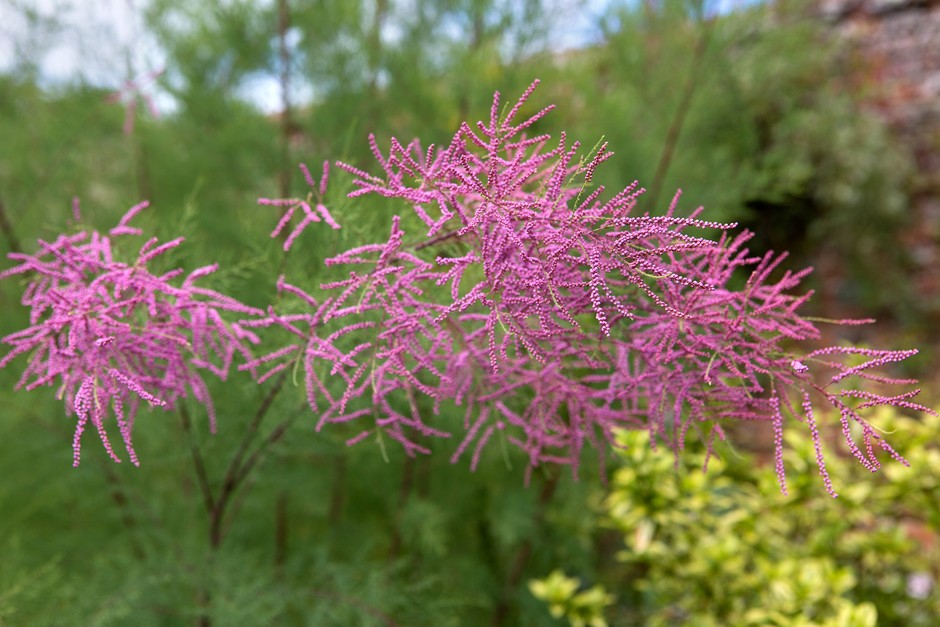
A tamarisk (Tamarix) is a genus of plants that consists of 60 species, many of which are native to arid and saline regions in India, Europe, and China. The most common species is the Tamarix gallica, also known as the common tamarisk or cypress shrub.
Characteristics of Tamarisks
Tamarisks are known for their:
- Drought tolerance: They can survive in areas with limited water supply, making them perfect for land reclamation projects.
- Salt resistance: They thrive in saline environments, such as coastal areas and salt lakes.
- Fast growth rate: Tamarisks can grow up to 3 meters tall and wide in a short period, making them ideal for creating windbreaks or barriers.
- Unique foliage: Their leaves are shaped like needles, giving them a distinctive appearance.
Cultivating Tamarisks
Tamarisks are relatively easy to cultivate, requiring minimal care. Here are some tips:
- Provide full sun: Tamarisks need direct sunlight to thrive, so choose a location that receives at least 6 hours of direct sunlight per day.
- Use well-draining soil: Tamarisks prefer dry to moderately moist soil, but they can tolerate salt levels as high as 5%.
- Water sparingly: While tamarisks are drought-tolerant, they still need regular watering to maintain their health and growth.
- Prune regularly: Regular pruning helps control the plant’s size and promotes healthy growth.
Bonsai Tamarisks
Tamarisks can be grown as bonsai trees, requiring careful pruning and training to achieve the desired shape and size. Some popular species for bonsai cultivation include:
- Tamarix juniperina: Known for its conical shape and dense foliage.
- Tamarix chinensis: Recognized for its unique branching pattern and small leaves.
- Tamarix ramosissima: Praised for its delicate, lacy foliage and vibrant flowers.
Tamarix Gallica: A Popular Species
The Tamarix gallica is one of the most widely cultivated species, valued for its:
- Compact growth habit: It can be pruned to maintain a compact size, making it ideal for small gardens or containers.
- Dense foliage: Its leaves are a deep green color and have a distinctive texture.
- Vibrant flowers: In the spring, Tamarix gallica produces clusters of small, pinkish-purple flowers.
Tamarix Parviflora: A Wind-Resistant Species
The Tamarix parviflora is prized for its:
- Wind resistance: It can withstand strong winds and is often used as a windbreak or barrier.
- Compact growth habit: Its dense foliage provides protection from harsh weather conditions.
- Drought tolerance: Tamarix parviflora can survive in areas with limited water supply.
Semi-Perpetual Tamarisks
Some tamarisk species are semi-perennial, meaning they die back to the ground in winter but regrow in the spring. The most common semi-perpetual species is the Tamarix gallica, which retains its foliage year-round but may lose some leaves during extreme cold weather.
Frequently Asked Questions
Q: Can tamarisks be grown indoors?
A: Yes, tamarisks can be grown indoors as long as they receive sufficient light and are kept in a well-draining potting mix.
Q: How often should I water my tamarisk?
A: Water your tamarisk sparingly, allowing the soil to dry out between waterings. Overwatering can lead to root rot and other problems.
Q: Can tamarisks be used as a natural fence or barrier?
A: Yes, tamarisks can be used as a natural fence or barrier due to their fast growth rate and ability to withstand harsh weather conditions.
Q: Are there any potential risks associated with cultivating tamarisks?
A: While tamarisks are generally low-maintenance plants, they can cause problems if not properly cared for. For example, they can outcompete native vegetation and require regular pruning to prevent them from becoming too invasive.
Tamarix Uses in Traditional Medicine
In traditional medicine, tamarisks have been used for centuries to treat various ailments, including:
- Digestive issues: The roots of the tamarisk plant are believed to have anti-inflammatory properties, which can help alleviate digestive problems.
- Respiratory issues: The leaves and stems of the tamarisk plant contain compounds that may help relieve respiratory symptoms such as congestion and coughing.
- Skin conditions: The bark and leaves of the tamarisk plant have been used to treat skin conditions like eczema and acne.
Tamarix Uses in Landscape Design
In landscape design, tamarisks are valued for their:
- Drought tolerance: They can thrive in areas with limited water supply, making them perfect for xeriscaping projects.
- Windbreaks: Their dense foliage provides protection from harsh winds and can help reduce noise pollution.
- Ornamental value: The unique shape and texture of tamarisk leaves make them a popular choice for ornamental landscapes.
Conclusion
Tamarisks are fascinating plants that offer numerous benefits for land reclamation projects, coastal areas, and traditional medicine. With proper care and attention, these unique shrubs can thrive in harsh environments and provide stunning visual interest to any landscape. Whether used as a natural fence or barrier, or employed in traditional medicine, tamarisks are an underappreciated yet valuable plant species that deserve more recognition and appreciation.
Additional Resources
- Tamarix gallica: A popular species of tamarisk valued for its compact growth habit and vibrant flowers.
- Tamarix parviflora: A wind-resistant species prized for its dense foliage and drought tolerance.
- Tamarix juniperina: A popular species for bonsai cultivation, recognized for its conical shape and dense foliage.
Recommended Reading
- “The Art of Tamarisk Cultivation”: A comprehensive guide to cultivating tamarisks, covering topics such as soil preparation, pruning, and pest management.
- “Tamarix: The Forgotten Plant”: An in-depth exploration of the history, uses, and benefits of tamarisks, highlighting their potential for land reclamation projects and traditional medicine.
Online Communities
- Tamarisk Enthusiasts Group: A online forum dedicated to discussing all things related to tamarisks, including cultivation methods, pest management, and ornamental uses.
- Tamarix Gardeners Network: A community of gardeners who share their experiences and expertise on growing tamarisks in various environments.


