
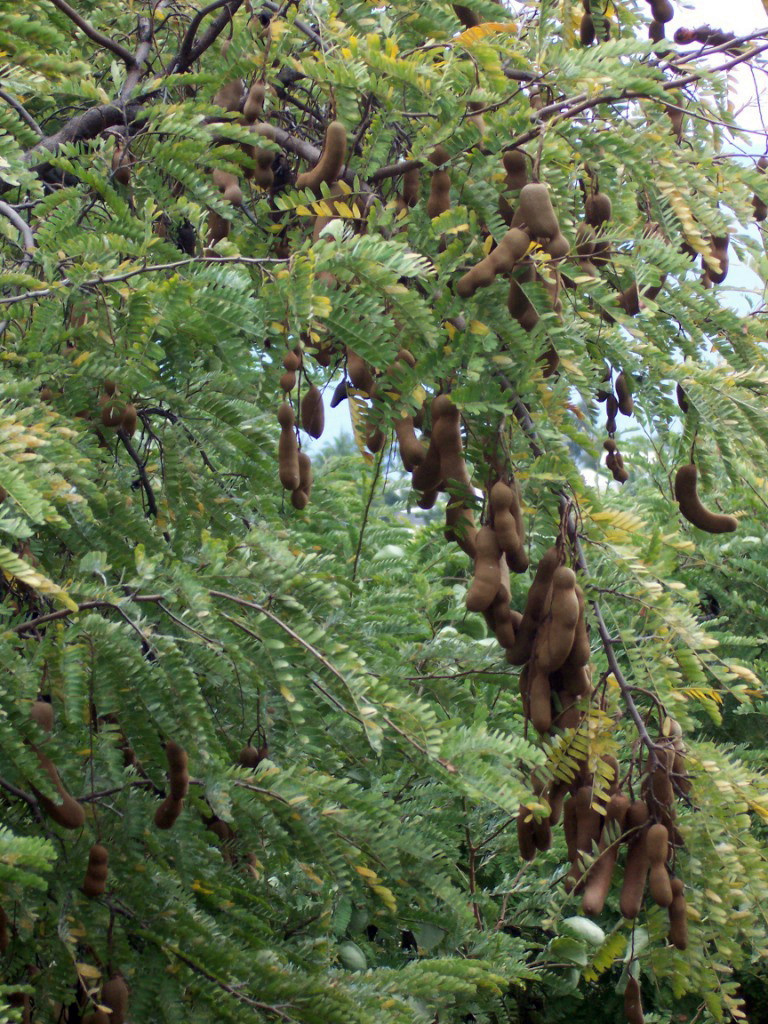
Tamarindo is often associated with its sweet syrup in Italy, but few people know about the fruit’s numerous health benefits and versatility. As we delve into the world of tamarindo, you’ll discover a plant that’s not only delicious but also packed with nutrients and medicinal properties.
What is Tamarindo?
Tamarindo (Tamarindus indica) is a tropical tree native to Madagascar, belonging to the Leguminosae family. Its scientific name has been passed down through generations, and it’s a plant that grows up to 30 meters tall, producing fruit that’s both nutritious and flavorful.
Properties of Tamarindo
This incredible fruit offers numerous health benefits, making it a staple in many cultures. The pulp contains caffeine acid, ellagic acid, and fiber, which lower blood cholesterol levels, improve cardiovascular health, and reduce the risk of anemia-related conditions.
In addition to its nutritional value, tamarindo has laxative properties and intestinal regulator action linked to organic acids, making it an excellent natural remedy for digestive issues. It also facilitates bladder emptying, prevents bile disorders, and acts as an antibacterial agent with anti-inflammatory properties.
Cultivation of Tamarindo
Tamarind is native to Asian regions but has its ancestors in Africa today. The plant grows slowly, reaching heights of up to 25 meters, making it a long-lived tree that can surpass even a century of life. The trunk remains modest, while daily branches point upwards.
Tamarindo trees prefer well-drained soil and full sun, requiring regular watering and fertilization. They are also susceptible to pests like mealybugs and scale insects, which can be controlled using integrated pest management techniques.
The Taste of Tamarindo
If you’re not familiar with the taste of tamarindo, imagine it as different from honey syrup we find in Italy. The fruit pulp tends to be acidic due to its tartaric acid content, which makes it 12% concentrated. With a whopping 240 calories per 100 grams, tamarindo is an excellent source of energy.
The flavor profile of tamarindo can range from sweet and sour to tangy and slightly bitter, depending on the ripeness and variety of the fruit. In India, where tamarind is commonly used in cooking, it’s often described as having a rich, fruity, and slightly astringent taste.
Making Marmalade with Tamarindo
Marmalade made from this fruit is used mostly for its laxative properties and is sweet and pleasant. It’s offered to children as a natural remedy against constipation and irregular bowel movements, as it doesn’t cause colon pain. The main minerals present are potassium, phosphorus, magnesium, and zinc, while vitamins respond to the presence of vitamins A, B1, B2, B3, B5, B6, C, E, K, and J.
To make marmalade with tamarindo, boil the water, add the pulp, and then filter it together with sugar in equal amounts to its weight. The resulting marmalade can be stored for up to six months in a cool, dry place.
Where to Buy Tamarindo
Tamarindo is commonly found in India with the name “imli” and used as an ingredient for sauces, soups, or rice recipes in Asia. In Italy, you can buy it in syrup form or online on Amazon for 5 euros, receiving a 56cl bottle.
In other parts of the world, tamarind is available at specialty stores, ethnic markets, or online retailers that sell international ingredients. When purchasing dried tamarindo pulp, make sure to check the label for any additives or preservatives.
Recipes with Tamarindo
Among many Indian recipes using tamarind, we’ll focus on making its syrup. We need 800 grams of tamarindo pulp, sugar, and two liters of water. After boiling the water, adding the pulp, we leave the pot on low heat for a quarter of an hour, then filter it together with sugar in equal amounts to its weight.
Other recipes that use tamarind include:
- Tamarind chutney: A popular condiment made by cooking down tamarindo pulp with spices and vinegar.
- Tamarind soup: A comforting and flavorful soup made with tamarindo pulp, vegetables, and aromatic spices.
- Tamarind rice: A classic Indian dish made by cooking rice with tamarindo pulp, spices, and herbs.
Frequently Asked Questions
- What are the health benefits of tamarindo?
Tamarindo is rich in nutrients like caffeine acid, ellagic acid, and fiber, which lower blood cholesterol levels, improve cardiovascular health, and reduce the risk of anemia-related conditions. - Can I grow tamarindo at home?
Yes, tamarindo can be grown at home with proper care and attention. It grows slowly but can surpass even a century of life. - What is the taste of tamarindo like?
Tamarindo has a unique taste that’s different from honey syrup. The fruit pulp tends to be acidic due to its tartaric acid content, which makes it 12% concentrated. - Can I use tamarindo as a natural remedy for digestive issues?
Yes, tamarindo has laxative properties and intestinal regulator action linked to organic acids, making it an excellent natural remedy for digestive issues. - Where can I buy dried tamarindo pulp?
You can find dried tamarindo pulp in specialized stores or ethnic stores. - How do I make marmalade with tamarindo?
To make marmalade with tamarindo, boil the water, add the pulp, and then filter it together with sugar in equal amounts to its weight. - Can I use tamarindo seeds to make gum?
Yes, you can use tamarindo seeds to make “tamarindo gum”. - Is tamarindo available online?
Yes, you can buy dried tamarindo pulp or syrup form of tamarindo online on Amazon for 5 euros.
Conclusion
Tamarindo is a fruit that deserves more attention and appreciation due to its numerous health benefits, versatility, and unique taste. Whether it’s used in cooking, as a natural remedy, or as a sweetener, tamarindo has something to offer everyone. By incorporating tamarindo into your diet, you’ll not only add flavor and nutrition but also unlock the secrets of this incredible fruit.
Future Research Directions
While tamarindo has been extensively studied for its health benefits, there is still much to be learned about its potential applications in medicine, agriculture, and conservation. Future research should focus on:
- Investigating the anti-inflammatory and antioxidant properties of tamarindo extracts
- Exploring the use of tamarindo pulp as a natural remedy for various diseases, such as diabetes and hypertension
- Studying the effects of climate change on tamarindo cultivation and distribution
- Developing sustainable practices for tamarindo harvesting and production
By continuing to research and explore the potential of tamarindo, we can unlock its full potential and make it a valuable resource for human health and well-being.


