
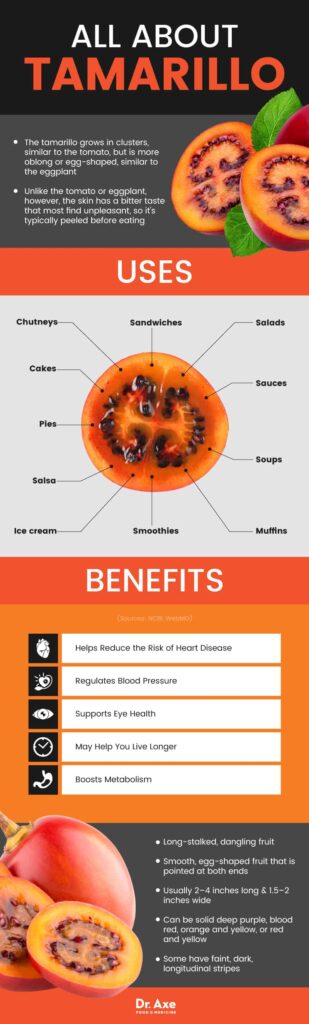
What is a Tamarillo?
Tamarillo, also known as the “Peruvian Apple,” is a plant native to South America that produces juicy fruits with a unique flavor profile. Native to Peru, Ecuador, Colombia, Chile, and Bolivia, this fruit has been cultivated in various parts of the world, including Australia, India, China, and Italy.
The Tamarillo Plant
Tamarillo is a type of shrub or small tree that belongs to the nightshade family (Solanaceae). It grows up to 3 meters tall with large, leafy foliage. The plant can live for 12 years in its natural habitat, making it a popular choice for ornamental purposes.
Cultivating Tamarillo
To cultivate tamarillo, you’ll need a mild climate with temperatures above 10°C (50°F). It’s essential to provide the plant with adequate sunlight, well-draining soil, and regular watering. The ideal spacing between plants is 1.5 meters, while rows should be spaced 4.5 meters apart.
Tamarillo Fruits and Seeds
The tamarillo fruit has a diameter of up to 10 cm (4 inches) and features a thick skin with varying colors ranging from yellow-orange to red-purple. The pulp is crunchy and sweet, while the seeds are small and numerous.
Growing Tamarillo from Seed
Sowing tamarillo seeds can be challenging due to the plant’s limited availability in mature stages. However, with patience and proper care, you can successfully grow a healthy tamarillo plant. Allow at least 4 years for the seedling to mature before harvesting its fruit.
Nutritional Benefits of Tamarillo
Tamarillo is an excellent source of essential vitamins and minerals. One serving (100 grams) provides:
- Calories: 40
- Water content: 81-87%
- Protein: 1.5-2.5 grams
- Fat: 0.05 gram
- Fiber: 6 grams
The fruit is also rich in micronutrients, including:
- Vitamin A: 0.32-1.48 mg
- Vitamin C: 19.7-57.8 mg
- Calcium: 3.9-11.3 mg
- Magnesium: 19.7-22.3 mg
- Iron: 0.4-0.94 mg
Cooking with Tamarillo
Tamarillo is a versatile ingredient in many traditional South American recipes, such as the Hallaquitas and Arepas. Experiment with this unique fruit to discover its flavorful potential.
Using Tamarillo in Traditional Recipes
Hallaquitas: A Peruvian Sweet Dish
Hallaquitas are sweet biscuits traditionally served during special occasions in Peru. They’re made by soaking tamarillo pulp in milk, then mixing it with sugar and eggs to create a dough. Bake the dough into small, crispy biscuits that are both delicious and colorful.
Tamarillo Salsa: A Vibrant Condiment
Combine diced tamarillo with onions, garlic, cilantro, and lime juice for a vibrant salsa that complements various dishes, such as grilled meats or roasted vegetables.
Arepas: Tamarillo-Filled Cornmeal Cakes
Prepare arepas by filling them with a mixture of cheese, ham, and diced tamarillo. These savory cornmeal cakes make an excellent snack or light meal.
Using Tamarillo in Modern Recipes
Tamarillo Chutney: A Sweet and Spicy Condiment
Combine cooked tamarillo with spices like cumin, chili powder, and cinnamon to create a delicious chutney that pairs well with grilled meats or vegetables.
Tamarillo-Glazed Chicken: A Colorful Main Course
Glaze chicken breasts with a mixture of honey, lime juice, and diced tamarillo for a sweet and tangy main course that’s sure to impress.
Tamarillo Sorbet: A Refreshing Dessert
Puree cooked tamarillo in a blender, then freeze the mixture into a refreshing dessert. This unique sorbet is perfect for warm weather or as an exciting twist on traditional desserts.
Health Benefits of Tamarillo
Tamarillo has been studied for its potential health benefits, including:
- Antioxidant Properties: Tamarillo contains antioxidants that help protect against oxidative stress and inflammation.
- Anti-Inflammatory Effects: The fruit’s antioxidant properties also exhibit anti-inflammatory effects, which may help alleviate symptoms of chronic diseases.
- Cardiovascular Health: Tamarillo is rich in potassium, an essential mineral for maintaining healthy blood pressure levels.
Growing Tamarillo Indoors
While possible, growing tamarillo indoors can be challenging due to the plant’s specific climate requirements. Ensure that your indoor environment provides optimal conditions for its growth and fruiting:
- Lighting: Provide bright, indirect light for your tamarillo plant.
- Temperature: Maintain a consistent temperature between 18°C (64°F) and 25°C (77°F).
- Humidity: Keep the humidity level around 60% to prevent water stress.
- Soil: Use well-draining potting mix specifically designed for indoor plants.
Using Tamarillo in Beverages
Tamarillo can be used to create a variety of beverages, including:
Tamarillo Juice: A Refreshing Drink
Combine diced tamarillo with water and sugar to create a refreshing juice that’s perfect for hot summer days.
Tamarillo Smoothie: A Healthy Boost
Blend cooked tamarillo with yogurt, milk, and honey for a delicious smoothie packed with nutrients and antioxidants.
Tamarillo Tea: A Soothing Beverage
Steep dried tamarillo in hot water to create a soothing tea that’s rich in antioxidants and beneficial for digestion.
Caring for Mature Tamarillo Plants
To ensure optimal growth and fruit production, provide your mature tamarillo plant with:
Adequate Sunlight: Ensure the plant receives at least 6 hours of direct sunlight per day.
Fertilization: Fertilize regularly to promote healthy growth and fruiting.
Protection from Frost: Protect your tamarillo plant from frost damage by covering it with a frost blanket or bringing potted plants indoors during cold weather.
Harvesting Tamarillo Fruits
When harvesting tamarillo fruits, follow these guidelines:
- Color: Allow the fruit to ripen and reach its final color.
- Softness: Gently touch the skin; a ripe tamarillo should be slightly soft to the touch.
- Handling: Handle the fruit carefully to avoid bruising or damage.
Common Challenges When Growing Tamarillo
While growing tamarillo can be rewarding, you may encounter some challenges along the way:
Temperature Extremes: Protect your plant from extreme temperatures by providing adequate shade and insulation.
Water Stress: Ensure that your soil is well-draining to prevent waterlogged conditions.
Pests and Diseases: Regularly inspect your plants for signs of pests or diseases, such as aphids, whiteflies, or fungal infections.
Using Tamarillo in Beauty Treatments
Tamarillo has been used in traditional South American beauty treatments due to its antioxidant and anti-inflammatory properties:
Skin Exfoliation: Mix diced tamarillo with sugar for a natural exfoliating scrub.
Face Mask: Combine cooked tamarillo with honey and yogurt to create a soothing face mask.
Hair Treatment: Boil tamarillo in water, then use the resulting liquid as a hair treatment.
By learning more about tamarillo’s unique characteristics, nutritional benefits, and uses in cooking, beauty treatments, and ornamental purposes, you’ll gain a deeper appreciation for this fascinating fruit.


