
As we dive into the peak of summer, it’s essential to give our lawns the TLC they need. Proper lawn care in the summer season requires a more intense maintenance routine. In this article, we’ll delve into the dos and don’ts of caring for your lawn during the hot months.
Summer Lawn Care: The Importance of Irrigation
Summer is a delicate time for our grassy lawns. With high temperatures and humidity levels, it’s crucial to increase irrigation frequency to prevent damage. But how much water is too much? Let’s explore this further.
- Irrigation Frequency: Irrigation frequency depends on soil type and climate conditions. Overwatering can lead to root rot, fungal diseases, and pest infestations.
-
Soil Type plays a significant role in determining irrigation needs. Sandy soils require more frequent watering, while clay soils need less due to their higher water-holding capacity.
- Sandy Soils: Sandy soils have high drainage capabilities and can dry out quickly. They often require more frequent watering.
- Clay Soils: Clay soils hold water well but can become waterlogged if irrigated too frequently. They may need less water, especially during hot summer months.
The Best Time to Irrigate
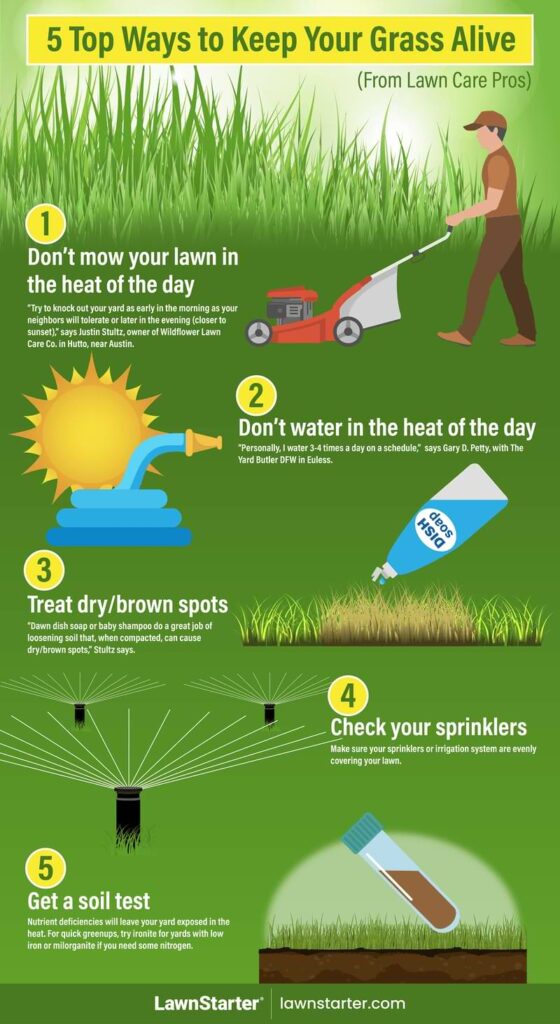
When it comes to irrigating your lawn during the summer months, timing is everything. Aim for early morning or late evening irrigation sessions when temperatures are lower. Avoid mid-day sessions, as intense sunlight can cause rapid evaporation of water.
- Aiming for 80-90% Soil Moisture: Covering 80-90% of soil moisture helps prevent overwatering and reduces waste.
- Consider Drip Irrigation: If possible, consider using drip irrigation to deliver water directly to the roots of your grass. This can help reduce evaporation and runoff.
Summer Lawn Care: The Importance of Mowing
Proper mowing is an often-overlooked aspect of lawn care. During the summer months, it’s essential to maintain your mower at the correct height and frequency to promote healthy growth. Here are some tips to get you started:
- Mower Height: Keeping your mower blade at the recommended height (2.5-3 inches for most grass types) allows for proper air circulation, reduces stress on the lawn, and prevents scalping.
- Frequency: Mow your lawn once or twice a week during hot summer months, depending on growth rate and climate conditions.
Summer Lawn Care: A Healthy Start
To give your lawn the best chance of thriving in the heat, start with a healthy foundation. Here are some tips to get you started:
- Soil Testing: Test your soil pH and nutrient levels to determine if any adjustments need to be made.
- Fertilization: Apply a balanced fertilizer (e.g., 10-10-10 NPK) according to the manufacturer’s instructions.
- Pest Control: Keep an eye out for pests like white grubs, chinch bugs, and billbugs. Use integrated pest management techniques or consult with a professional if necessary.
Summer Lawn Care: Tips for a Greener Lawn
Here are some additional tips to help you achieve a lush, green lawn:
- Water Deeply but Infrequently: Encourage deep root growth by watering your lawn deeply but less frequently.
- Use Drought-Tolerant Grasses: If you live in an area with low rainfall, consider planting drought-tolerant grass species like buffalo grass or blue grama.
Summer Lawn Care: Maintaining a Healthy Lawn
Maintaining a healthy lawn during the summer months requires consistent effort. Here are some additional tips to keep your lawn looking its best:
- Regular Aeration: Regular aeration can help improve soil drainage, reduce soil compaction, and promote healthy growth.
- Overseeding: Overseed your lawn in the fall or early spring to replenish lost grass and prevent thinning.
Summer Lawn Care: Preventing Pests and Diseases
Preventing pests and diseases is crucial for maintaining a healthy lawn. Here are some tips to help you keep your lawn pest- and disease-free:
- Monitor for Signs of Infestation: Keep an eye out for signs of infestation, such as white grubs, chinch bugs, or billbugs.
- Use Integrated Pest Management Techniques: Use integrated pest management techniques, such as introducing beneficial insects or using organic pesticides.
Summer Lawn Care: Conclusion
Summer lawn care requires attention to detail and a solid understanding of the factors that affect your lawn’s health. By following these tips and tricks, you’ll be well on your way to achieving a lush, green lawn that thrives even in the hottest summer months.


