
As a gardener, one of the most important tasks you can undertake is creating a nutrient-rich compost to fertilize your plants. However, with so many variables at play, it’s easy to get overwhelmed. In this article, we’ll break down the key factors that influence the composting process and provide you with actionable tips to ensure you’re producing high-quality compost.
Understanding Compost Parameters
To create a successful compost, you need to monitor three crucial parameters: moisture levels, carbon-to-nitrogen (C:N) ratio, and temperature. Let’s dive into each of these factors in more detail:
Moisture Levels
If your compost is too dry, it can lead to unpleasant odors and reduced decomposition rates. On the other hand, excessive moisture can cause anaerobic conditions, which can result in pathogens and pests.
To strike a balance, you’ll need to add water to your compost pile as needed. In hot weather, it’s especially important to keep your compost moist to prevent scorching. A general rule of thumb is to aim for a consistency similar to a damp sponge.
Some additional tips for managing moisture include:
- Adding materials in moderation: Too much organic matter can lead to excessive moisture, so balance your additions with the right mix of carbon and nitrogen-rich materials.
- Regularly monitoring moisture levels: Use a moisture meter or simply stick your finger into the compost to gauge its consistency.
Carbon-to-Nitrogen Ratio
Adequate C:N ratio is essential for optimal decomposition. Aim for a mix of 15-30 grams of nitrogen per gram of carbon. This balance will ensure that beneficial microorganisms can thrive and break down organic matter efficiently.
Here are some common materials you can use to adjust your C:N ratio:
- Carbon-rich materials: Sawdust, shredded newspaper, small twigs and branches, dry leaves, and cardboard and paper products.
- Nitrogen-rich materials: Food scraps, grass clippings, manure from herbivores like rabbits or guinea pigs, and fresh hay.
Some additional tips for managing C:N ratio include:
- Aging the pile: Letting your compost age can help balance out the carbon-to-nitrogen ratio. This process is called “turning” the pile.
- Regularly turning the pile: Turning the pile will introduce oxygen, speed up decomposition, and ensure that beneficial microorganisms have enough space to thrive.
Temperature Monitoring
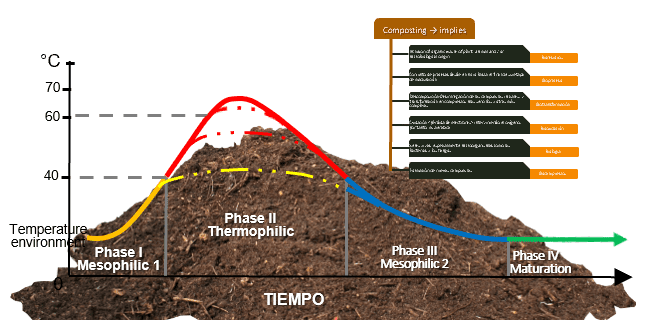
Temperature plays a significant role in the composting process, with ideal temperatures ranging from 40°C to 70°C (104°F to 158°F). To measure temperature accurately, you’ll need an app-specific thermocouple or thermometer. These devices will help you detect temperature fluctuations and make adjustments as needed.
Some additional tips for managing temperature include:
- Adding materials strategically: Adding materials at the right time can impact the compost pile’s temperature. For example, adding hot materials like manure in the early stages of decomposition can create a heat spike.
- Maintaining adequate oxygen flow: Oxygen is essential for beneficial microorganisms to thrive and regulate the compost pile’s temperature.
Common Mistakes to Avoid
To ensure your compost turns out perfectly, it’s essential to avoid common pitfalls:
- Adding too much nitrogen-rich material, which can lead to odors and reduced decomposition rates
- Under-misting or over-misting the pile, which can cause anaerobic conditions
- Not monitoring temperature regularly, leading to slow decomposition
Compost Materials: A Guide
Here’s a breakdown of common compost materials, along with their ideal C:N ratios:
| Material | Ideal C:N Ratio |
|---|---|
| Dried manure | 1/8 |
| Sawdust | 1/30 |
| Shredded newspaper | 1/200 |
| Small twigs and branches | 1/120 |
| Food scraps | 1/15 |
| Grass clippings | 1/13 |
| Hay or straw | 1/100 |
| Dry leaves | 1/40 |
| Cardboard and paper products | 1/350 |
Tips for Effective Composting
To create a thriving compost ecosystem, follow these expert tips:
- Regularly mixing the pile: Mixing the pile will maintain oxygen flow, speed up decomposition, and ensure that beneficial microorganisms have enough space to thrive.
- Adding materials in moderation: Adding materials in moderation will help regulate moisture levels and C:N ratios.
- Monitoring temperature regularly: Monitoring temperature regularly will help you detect fluctuations and make adjustments as needed.
Frequently Asked Questions
Here are some answers to common questions about composting:
- What is the ideal C:N ratio for compost?
- Aim for a mix of 15-30 grams of nitrogen per gram of carbon.
- How often should I turn my compost pile?
- Regularly mixing the pile, ideally every 7-10 days during the active phase and less frequently during the maturation phase.
- What temperature range is ideal for composting?
- Aim for temperatures between 40°C to 70°C (104°F to 158°F).
- How do I ensure my compost pile doesn’t overheat or become anaerobic?
- Monitor temperature regularly, add water as needed, and maintain adequate oxygen flow through regular mixing.
- What are some common mistakes to avoid when composting?
- Over-misting, under-misting, adding too much nitrogen-rich material, and failing to monitor temperature.
By following these expert tips and answers to frequently asked questions, you’ll be well on your way to creating a thriving compost ecosystem that will benefit your plants for years to come.


