
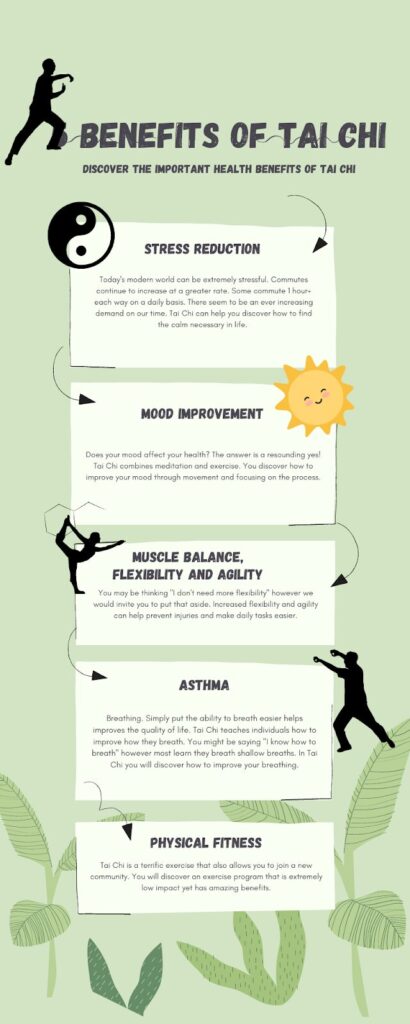
Tai Chi is a martial art that originated in China as a form of self-defense, but it has evolved into a gentle exercise practice that benefits both body and mind. While it may seem slow-paced or boring at first glance, Tai Chi is actually a powerful tool for improving overall health and well-being.
What is Tai Chi?
Tai Chi, also known as Tai Chi Chuan, is an ancient Chinese martial art that combines slow movements, deep breathing, and meditation to promote relaxation and balance. Unlike traditional martial arts, which focus on fighting techniques, Tai Chi emphasizes inner energy and harmony between body and mind. This gentle practice is often referred to as “soft” or “internal” training.
Tai Chi was developed in the 12th century by a Chinese monk named Zhang Sanfeng, who combined elements of Taoist philosophy, Buddhism, and traditional Chinese medicine to create a holistic practice that addresses both physical and spiritual health. Over time, Tai Chi spread throughout China and eventually around the world, where it has been adapted into various styles and forms.
How Does Tai Chi Work?
Tai Chi works by influencing various aspects of our lives, including:
- Physical Health: Tai Chi improves flexibility, balance, and coordination, while also strengthening bones and reducing the risk of falls. Regular practice can also help to lower blood pressure, improve circulation, and reduce the risk of heart disease.
- Mental Clarity: The practice combines meditation and deep breathing to reduce stress, anxiety, and depression. Tai Chi has been shown to increase cognitive function, including memory, attention, and processing speed.
- Cardiovascular Health: Tai Chi has been found to have a positive impact on cardiovascular health, reducing the risk of heart disease, stroke, and high blood pressure.
Benefits of Tai Chi
The benefits of Tai Chi are numerous and well-documented. Some of the most significant advantages include:
- Reduced stress and anxiety: Tai Chi’s slow movements and deep breathing can help to calm the mind and reduce feelings of stress and anxiety.
- Improved sleep quality: Regular practice can help to improve sleep quality, duration, and depth.
- Enhanced cognitive function: Tai Chi has been shown to improve memory, attention, and processing speed, making it an excellent exercise for older adults.
- Increased mobility and flexibility: Tai Chi’s slow movements can help to improve flexibility, balance, and coordination, reducing the risk of falls and injuries.
- Lower blood pressure and cholesterol levels: Regular practice can help to lower blood pressure and reduce cholesterol levels, reducing the risk of heart disease.
Origins of Tai Chi
Tai Chi has a rich history that dates back thousands of years. Its origins can be traced to ancient China, where it was developed as a martial art for self-defense. Over time, the practice evolved into a gentle exercise routine that emphasizes balance, harmony, and inner energy.
For those interested in learning more about Tai Chi’s origins, there are several resources available online, including books and documentaries. One recommended resource is “Tai Chi Chuan: Origins and Power of an Ancient Art,” which provides a comprehensive overview of the practice’s history and philosophy.
Practicing Tai Chi
To get started with Tai Chi, it’s essential to find a qualified instructor or class that teaches the practice in a way that suits your needs. Many community centers, parks, and gyms offer Tai Chi classes, as well as online tutorials and videos.
When practicing Tai Chi, focus on proper technique and alignment to maximize its benefits. It’s also important to listen to your body and take regular breaks to avoid fatigue or discomfort.
Tips for Practicing Tai Chi
- Start slow: Begin with short practices and gradually increase the duration as you become more comfortable with the movements.
- Focus on proper technique: Pay attention to alignment, posture, and movement to ensure that you’re getting the most out of your practice.
- Listen to your body: If you experience any discomfort or pain, stop immediately and rest.
- Practice regularly: Consistency is key when it comes to experiencing the benefits of Tai Chi.
Conclusion
Tai Chi is a powerful practice that offers numerous physical and mental health benefits. By incorporating Tai Chi into your routine, you can improve your overall well-being, reduce stress and anxiety, and enhance your quality of life.
If you’re interested in learning more about Tai Chi or finding a class near you, visit the website www.taichiyangmilano.it for more information.
FAQs
- What is Tai Chi?
Tai Chi is an ancient Chinese martial art that combines slow movements, deep breathing, and meditation to promote relaxation and balance. - How does Tai Chi work?
Tai Chi influences various aspects of our lives, including physical health, mental clarity, and cardiovascular well-being. - What are the benefits of Tai Chi?
The practice offers numerous benefits, including reduced stress and anxiety, improved sleep quality, enhanced cognitive function, increased mobility, and lower blood pressure levels. - How can I get started with Tai Chi?
Find a qualified instructor or class that teaches the practice in a way that suits your needs. Many community centers, parks, and gyms offer Tai Chi classes, as well as online tutorials and videos. - What is the best time to practice Tai Chi?
The best time to practice Tai Chi depends on your schedule and preferences. Some people prefer to practice in the morning or evening, while others find it more convenient to practice during lunch breaks or after dinner. - Can I practice Tai Chi if I have health issues?
While Tai Chi is generally suitable for most ages and abilities, certain individuals may need to modify their practice due to health concerns. Consult with a healthcare professional before starting any new exercise routine.
Additional Resources
If you’re interested in learning more about Tai Chi or finding additional resources, check out the following websites:


